
Overview
Nicaragua offers a thrilling mix for hunters, anglers, and wildlife enthusiasts with its Pacific and Caribbean coasts teeming with big game fish like Atlantic blue marlin and tarpon, making it a top spot for deep-sea angling. Inland, Lake Nicaragua and surrounding wetlands attract birdwatchers for species such as the American wigeon duck and black-bellied whistling duck, while the country's volcanic highlands provide challenging terrain for those seeking diverse ecosystems. With opportunities for both freshwater and offshore fishing, plus bird and marine wildlife viewing, it's a budget-friendly destination that combines adventure with conservation efforts to protect its rich biodiversity.
Terrain & Habitat
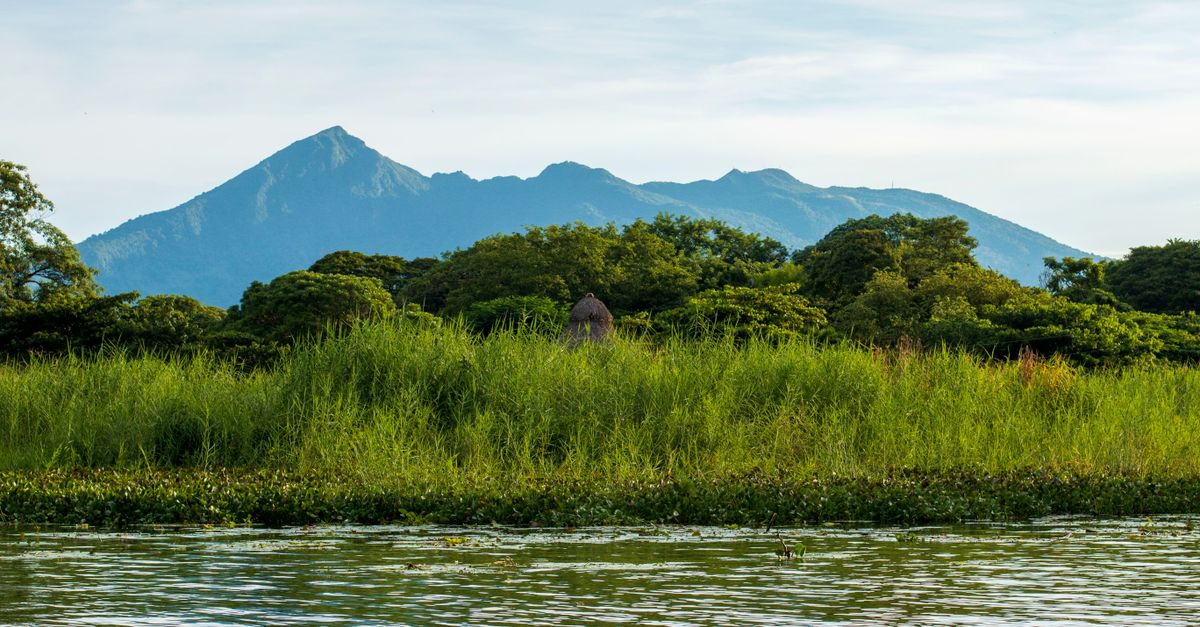
Nicaragua's terrain ranges from volcanic mountains and lush rainforests in the interior to expansive wetlands, mangroves, and sandy beaches along the coasts, creating ideal habitats for a variety of species. The Pacific side features coral reefs and open ocean for pelagic fish, while inland lakes and rivers support freshwater species and migratory birds, offering diverse settings for exploration and ethical hunting or angling practices.
Best Times
- Hunting
- Typically runs December to April during the dry season for better access to bird habitats and migratory species
- Fishing
- Typically runs May to November when rains stir up the waters and bring in big game fish like marlin and tuna
- Wildlife Viewing
- Year-round, but prime from June to October when wetlands are full and bird activity peaks
Climate by Month
| Month | High °F | Low °F | Rain (in) | Conditions |
|---|---|---|---|---|
| January | 88 | 72 | 0.4 | Dry and sunny |
| February | 89 | 73 | 0.3 | Dry and warm |
| March | 90 | 74 | 0.2 | Hot and dry |
| April | 91 | 75 | 0.5 | Hot with increasing humidity |
| May | 89 | 74 | 4.5 | Wet and humid |
| June | 87 | 73 | 8 | Heavy rains and thunderstorms |
| July | 86 | 72 | 7.5 | Wet with occasional sunny breaks |
| August | 85 | 72 | 6.5 | Rainy and warm |
| September | 84 | 71 | 7 | Very wet and overcast |
| October | 84 | 71 | 6 | Wet with easing rains |
| November | 85 | 72 | 2.5 | Transitioning to dry |
| December | 86 | 72 | 1 | Dry and mild |
Getting There
Fly into Managua International Airport (MGA), about 10 miles from the capital, or Augusto C. Sandino International Airport, same as MGA; from there, drive or take a shuttle to coastal fishing spots like San Juan del Sur, roughly 90 miles south.
Gear Recommendations
Bring heavy-duty rods for big pelagics like marlin, waders for lake fishing in Lake Nicaragua, and breathable camouflage for bird hunting in humid forests; don't forget reef-safe sunscreen and a quality dry bag for rainy seasons.
Regulations Summary
Fishing requires a license with bag limits on species like tarpon and marlin; hunting is restricted to certain birds and needs permits, with seasonal closures in protected areas. Verify current regulations at www.marena.gob.ni.
Insider Tips
- Always check with local fishermen in San Juan del Sur for the latest on tarpon runs—they know the secret spots off the beaten path.
- Hire a guide from the indigenous communities around Lake Nicaragua; they'll show you where the big alligator gar hide without spooking the wildlife.
- Stock up on fresh bait at the Granada market instead of bringing your own—it's cheaper and the locals swear by it for catching almaco jack.
- Avoid the rainy season crowds by heading to the eastern coast for quieter marlin fishing, but bring extra fuel for those rougher waters.
- For bird watching, get up before dawn in the Masaya Volcano area; the black-bellied whistling ducks are most active then, away from tourist groups.
Notable Species (60)
- Central American red brocketMazama temama
- Deppe's squirrelSciurus deppei
- White-lipped peccaryTayassu pecari
- Bryde's whaleBalaenoptera brydei
- Variegated squirrelSciurus variegatoides
- Red brocketMazama americana
- JaguarPanthera onca
- JuguarundiHerpailurus yagouaroundi
- OcelotLeopardus pardalis
- MargayLeopardus wiedii
- Rough-toothed dolphinSteno bredanensis
- American hog-nosed skunkConepatus leuconotus
- Striped hog-nosed skunkConepatus semistriatus
- Hooded skunkMephitis macroura
- Southern spotted skunkSpilogale angustifrons
- Common raccoonProcyon lotor
- White-nosed coatiNasua narica
- CacomistleBassariscus sumichrasti
- KinkajouPotos flavus
- Northern olingoBassaricyon gabbii
- TayraEira barbara
- Greater grisonGalictis vittata
- Eastern cottontailSylvilagus floridianus
- TapetiSylvilagus brasiliensis
- Baird's tapirTapirus bairdii
- White-headed capuchinCebus capucinus
- Mantled howlerAlouatta palliata
- Geoffroy's spider monkeyAteles geoffroyi
- Nine-banded armadilloDasypus novemcinctus
- Northern naked-tailed armadilloCabassous centralis
- Silky anteaterCyclopes didactylus
- Giant anteaterMyrmecophaga tridactyla
- Northern tamanduaTamandua mexicana
- Brown-throated three-toed slothBradypus variegatus
- Hoffman's two-toed slothCholoepus hoffmanni
- Derby's woolly opossumCaluromys derbianus
- Brown four-eyed opossumMetachirus nudicaudatus
- water opossumChironectes minimus
- Common opossumDidelphis marsupialis
- Virginia opossumDidelphis virginiana
- Gray four-eyed opossumPhilander opossum
- Mexican mouse opossumMarmosa mexicana
- Alston's mouse opossumMarmosa alstoni
- Merriam's small-eared shrewCryptotis merriami
- Central American least shrewCryptotis orophila
- North American least shrewCryptotis parva
- Gray FoxUrocyon cinereoargenteus
- Lowland PacaCuniculus paca
- AgoutiDasyprocta sp.
- Neotropical otterLutra Longicaudis
- Long-tailed weaselMustela frenata
- Fisherman bat
- Disc-winged batThyroptera tricolor
- New World leaf-nosed bat
- Free-tailed bat
- Sac-winged bat
- Funnel-eared bat
- Mexican hairy dwarf porcupineSphiggurus mexicanus
- Central American dwarf squirrelMicrosciurus alfari
- Red-tailed squirrelSciurus granatensis