
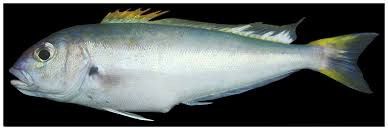
Taxonomy
- Kingdom
- Animalia
- Phylum
- Chordata
- Class
- Actinopterygii
- Order
- Perciformes
- Family
- Malacanthidae
- Genus
- Caulolatilus
- Species
- cyanops
Habitat
Blackline tilefish inhabit deep waters of the western Atlantic, typically at depths of 80 to 200 meters over rocky or coral reefs and sandy bottoms. They prefer areas with structures like burrows or crevices for shelter, ranging from North Carolina to Brazil. These environments provide both hiding spots and access to food sources.
Diet
Blackline tilefish primarily feed on benthic invertebrates such as crabs, shrimp, and mollusks, along with small fish. They are opportunistic bottom-feeders, actively foraging during the day on the seafloor. Feeding behavior involves digging into the substrate to uncover prey.
Behavior
Blackline tilefish are generally solitary or found in small groups, often creating and inhabiting burrows in sandy or muddy substrates for protection. They exhibit territorial behavior, defending their burrows from intruders, and are most active during the day. These fish are not highly migratory, tending to stay within their preferred reef habitats.
Fishing
Anglers targeting Blackline tilefish, a prized deep-water species in the western Atlantic from North Carolina to Brazil, should focus on bottom fishing techniques to reach depths of 80 to 200 meters over rocky reefs, coral structures, and sandy bottoms where these fish burrow for shelter. Use heavy-duty tackle including stout rods (8-12 feet), conventional reels with 50-80 lb test monofilament or braided line, and ample sinkers or electric reels for precise bait presentation; effective baits and lures include live shrimp, crabs, or small fish imitations to match their diet of benthic invertebrates. The best season is during warmer months, such as summer and early fall when spawning peaks, with optimal fishing times from dawn to dusk when they are most active foraging. Blackline tilefish typically grow to 30-50 cm, with a maximum of 70 cm and weights up to 1 lb, and while specific IGFA records are not prominent, their size makes them a challenging catch for recreational anglers. Conservation-wise, fishing for Blackline tilefish supports aquatic habitat protection through license fees and excise taxes that fund reef restoration, and regulations like slot limits or catch-and-release in certain areas—such as those managed by regional fisheries—ensure population stability, as evidenced by their IUCN Least Concern status, promoting sustainable practices that benefit overall marine ecosystems.
Conservation Status
Listed as Least Concern by IUCN.