
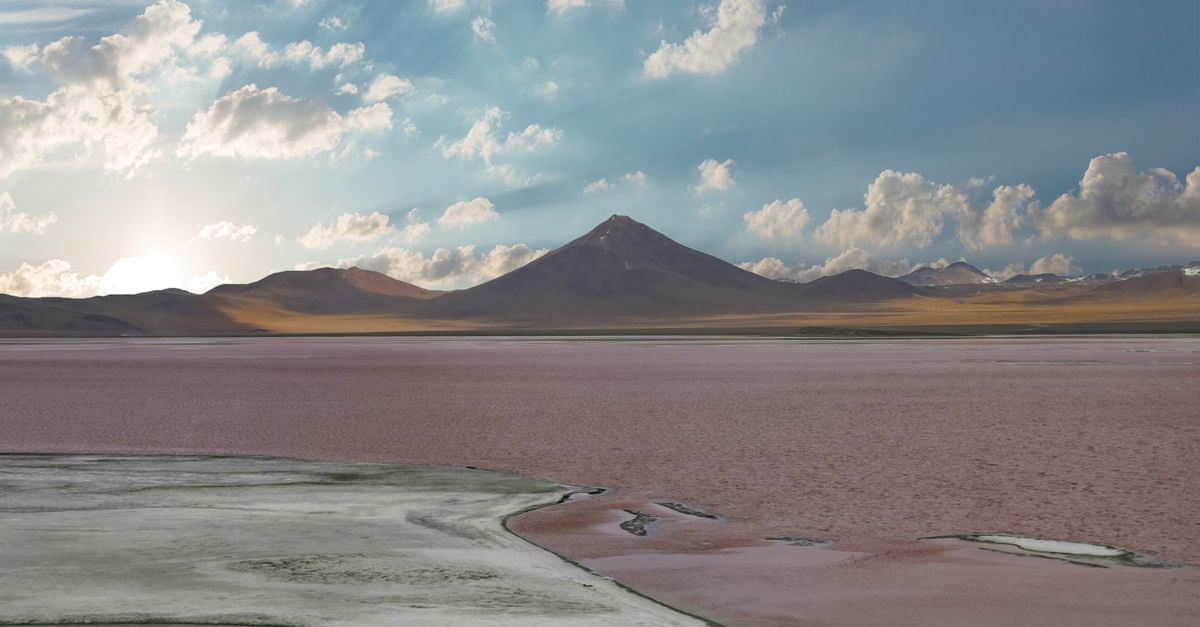
Overview
Bolivia offers a diverse paradise for hunters, anglers, and wildlife enthusiasts, with its vast Amazonian rainforests in the north providing opportunities for targeting species like the payara and redtail catfish in teeming rivers, while birdwatchers can spot Andean geese and tinamous in the highlands. The country's varied ecosystems, from the flooded plains of the Beni to the high-altitude lakes of the Altiplano, make it ideal for ethical pursuits like catch-and-release fishing or guided wildlife tours. Whether you're casting for dorado in the mighty Madeira River or tracking ornate tinamous in the dry forests, Bolivia's remote areas demand respect for conservation efforts amid its rich biodiversity.
Terrain & Habitat
Bolivia's terrain spans from the lush, low-lying Amazon basin with dense jungles and winding rivers to the rugged Andes mountains and expansive altiplano plateaus. These habitats support a mix of aquatic environments for fish species and upland areas for birds, making it a hotspot for both freshwater angling and avian observation.
Best Times
- Hunting
- Typically runs May to October for drier conditions and better access in the highlands.
- Fishing
- Typically runs November to April when rivers are full and fish are active in the lowlands.
- Wildlife Viewing
- Typically runs June to September for clear skies and easier spotting of birds in the Andes.
Climate by Month
| Month | High °F | Low °F | Rain (in) | Conditions |
|---|---|---|---|---|
| January | 86 | 68 | 7.5 | Hot and very wet with frequent storms |
| February | 85 | 67 | 6.8 | Warm and rainy with high humidity |
| March | 84 | 66 | 5.2 | Warm with decreasing rains |
| April | 82 | 63 | 3.1 | Mild and transitional with less rain |
| May | 78 | 58 | 1.4 | Cooler and dry |
| June | 75 | 54 | 0.6 | Dry and cool with clear skies |
| July | 74 | 52 | 0.4 | Dry and chilly in highlands |
| August | 76 | 54 | 0.5 | Dry with warming days |
| September | 79 | 57 | 1 | Dry and mild |
| October | 82 | 61 | 2.3 | Warming with occasional rains |
| November | 84 | 64 | 4.7 | Warm and increasingly wet |
| December | 85 | 66 | 6.2 | Hot and wet with thunderstorms |
Getting There
Fly into Viru Viru International Airport (VVI) in Santa Cruz or El Alto International Airport (LPB) in La Paz; from VVI, it's about 250 miles to key Amazon fishing spots, and from LPB, around 50 miles to highland hunting areas.
Gear Recommendations
For lowland fishing, bring lightweight rods for species like payara, waders for muddy rivers, and polarized sunglasses; in the Andes, pack warm layers for cold nights, binoculars for bird spotting, and sturdy boots for uneven terrain to handle both jungle humidity and high-altitude winds.
Regulations Summary
Hunting and fishing permits are required, with approximately $10-50 for residents and $100-300 for non-residents depending on the species and area; always check bag limits and protected zones. Verify current regulations at https://www.gob.bo/en/environment.
Insider Tips
- Hire a local guide from the communities near the rivers; they'll show you secret spots for dorado that tourists miss.
- In the highlands, chew coca leaves to fight altitude sickness before heading out for tinamou hunts.
- Avoid fishing during midday siestas in the Amazon; the fish bite best at dawn when the mist rises.
- Respect indigenous territories by sharing your catch with villagers; it builds goodwill for future trips.
- Stock up on fresh bait from roadside markets in Santa Cruz; it's cheaper and more effective than imported stuff.
Notable Species (60)
- Gray brocketMazama gouazoubira
- Nine-banded armadilloDasypus novemcinctus
- Red brocketMazama americana
- Marsh deerBlastocerus dichotomus
- Pampas deerOzotoceros bezoarticus
- North Andean deerHippocamelus antisensis
- White-lipped peccaryTayassu pecari
- Chacoan peccaryCatagonus wagneri
- LlamaLama glama
- GuanacoLama guanicoe
- VicunaVicugna vicugna
- AlpacaVicugna pacos
- Rough-toothed dolphinSteno bredanensis
- Dwarf brocketMazama chunyi
- Short-eared dogAtelocynus microtis
- Crab-eating foxCerdocyon thous
- CulpeoLycalopex culpaeus
- Pampas foxLycalopex gymnocercus
- Maned wolfChrysocyon brachyurus
- Bush dogSpeothos venaticus
- JaguarPanthera onca
- JuguarundiHerpailurus yagouaroundi
- Pampas catLeopardus colocola
- Geoffroy's catLeopardus geoffroyi
- Andean mountain catLeopardus jacobita
- OcelotLeopardus pardalis
- OncillaLeopardus tigrinus
- MargayLeopardus wiedii
- Spectacled bearTremarctos ornatus
- Molina's hog-nosed skunkConepatus chinga
- Crab-eating raccoonProcyon cancrivorus
- South American coatiNasua nasua
- KinkajouPotos flavus
- Eastern lowland olingoBassaricyon alleni
- TayraEira barbara
- Greater grisonGalictis vittata
- Lesser grisonGalictis cuja
- TapetiSylvilagus brasiliensis
- Brazilian tapirTapirus terrestris
- Black-tailed marmosetMico melanurus
- Goeldi's marmosetCallimico goeldii
- Weddell's tamarinSaguinus weddelli
- White-lipped tamarinSaguinus labiatus
- Emperor tamarinSaguinus imperator
- White-fronted capuchinCebus albifrons
- Tufted capuchinSapajus apella
- Black-capped squirrel monkeySaimiri boliviensis
- Azara's night monkeyAotus azarae
- Black-headed night monkeyAotus nigriceps
- Bolivian red howlerAlouatta sara
- Venezuelan red howlerAlouatta seniculus
- Black howlerAlouatta caraya
- Peruvian spider monkeyAteles chamek
- White-eared titiCallicebus donacophilus
- Rio Beni titCallicebus modestus
- Ollala brothers' titiCallicebus ollalae
- White-coated titiCallicebus pallescens
- Brown titiCallicebus brunneus
- Madidi titiCallicebus aureipalatii
- Seven-banded armadilloDasypus septemcinctus