
Overview
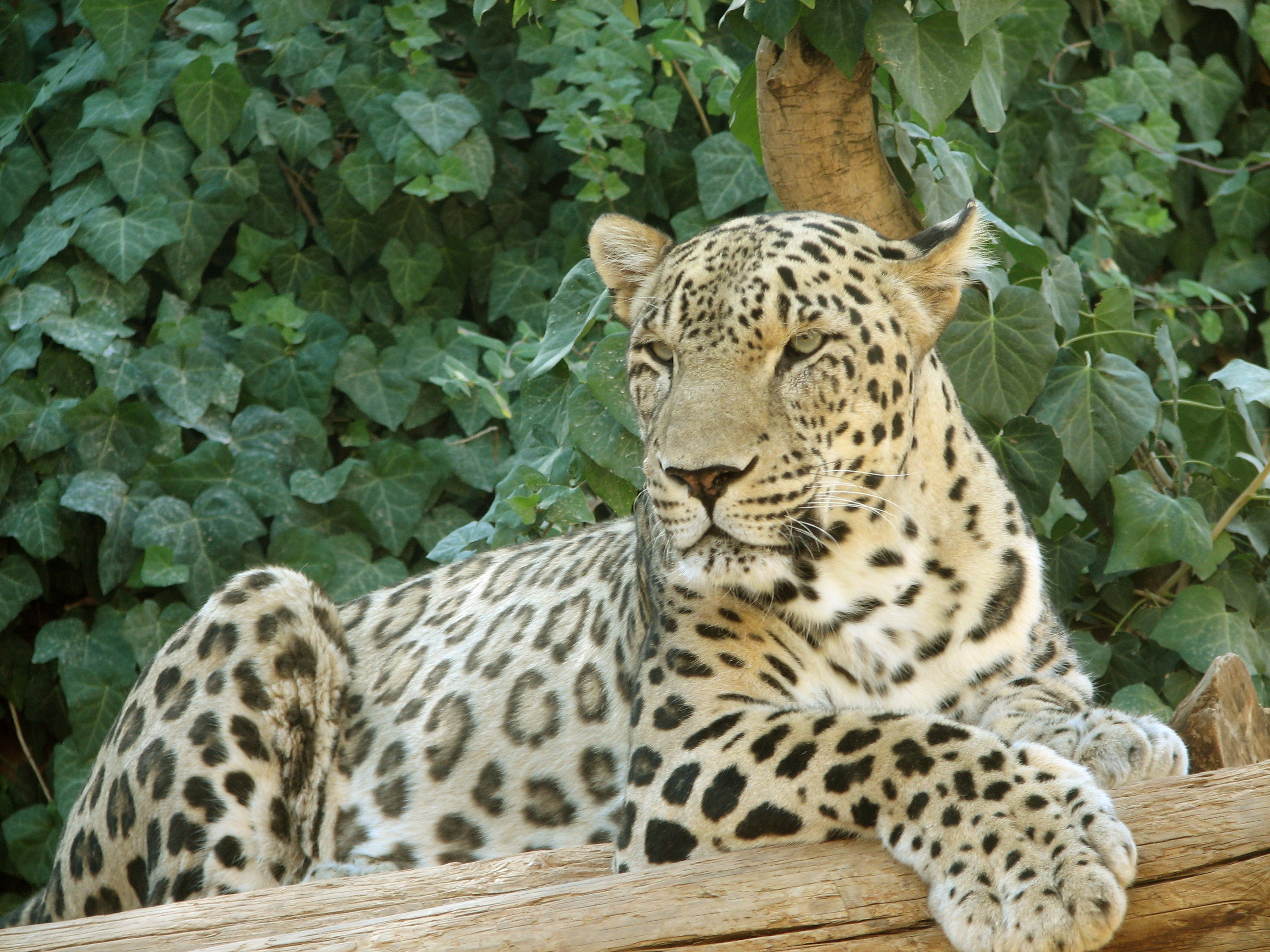
The leopard is a large cat native to Africa and Asia. Known for exceptional adaptability, stealth hunting, and distinctive spotted coat pattern.
Taxonomy
- Class
- Mammalia
- Order
- Carnivora
- Family
- Felidae
- Genus
- Panthera
- Species
- pardus
Habitat
Leopards inhabit a wide range of environments including forests, grasslands, and mountainous regions across sub-Saharan Africa and parts of Asia. They prefer areas with dense vegetation for cover and are highly adaptable to various terrains, from savannas to rocky outcrops. Proximity to water sources is important for their survival.
Diet
Leopards primarily consume medium-sized ungulates like impala and warthogs, as well as smaller prey such as rodents, birds, and reptiles. They are ambush predators that hunt by stalking and pouncing, often dragging kills into trees to protect them from scavengers. Feeding activity peaks at night, though they may hunt during the day in less disturbed areas.
Behavior
Leopards are solitary animals that maintain large territories, marking them with scent and vocalizations to avoid encounters with others of their kind. They are primarily nocturnal, resting in trees or thickets during the day to avoid competition and heat. Notable behaviors include exceptional climbing ability and dragging prey up trees, as well as a stealthy hunting style that makes them elusive.
Hunting
Leopard hunting is a highly regulated activity that supports conservation efforts in select African regions, where revenue from trophy fees directly funds anti-poaching patrols, habitat protection, and community programs, much like the successful Southern African conservancy systems that have stabilized leopard populations. Employ spot-and-stalk or baited hunting methods in dense bush or mountainous terrain, always prioritizing ethical shot placement in the vital areas such as the heart-lung region for a quick, humane kill; use a minimum of .300 Winchester Magnum caliber with premium controlled-expansion bullets for sufficient penetration and accuracy at typical ranges of 50-150 yards. The best timing is during the dry season, from June to October in southern Africa, when visibility improves and leopards are more active around water sources. For trophy criteria, focus on SCI records, where a top leopard might score based on skull measurements exceeding 15 inches, emphasizing mature males with prominent rosettes and good coat condition. Legal hunting is available in countries like South Africa, Namibia, and Zimbabwe, primarily on private game ranches or conservancies under strict quotas managed by wildlife authorities to ensure population sustainability, demonstrating how regulated harvest programs maintain healthy leopard numbers while combating threats like habitat loss.
Conservation Status
The IUCN status of leopards is Vulnerable, with populations declining due to habitat fragmentation and poaching. Major threats include human-wildlife conflict, illegal wildlife trade, and loss of prey species.
Subspecies (8)
- African leopardPanthera pardus pardus
- Amur leopardPanthera pardus orientalis
- Arabian leopardPanthera pardus nimr
- Sri Lankan leopardPanthera pardus kotiya
- Indian leopardPanthera pardus fusca
- Anatolian leopardPanthera pardus tulliana
- Indochinese leopardPanthera pardus delacouri
- Javan leopardPanthera pardus melas