
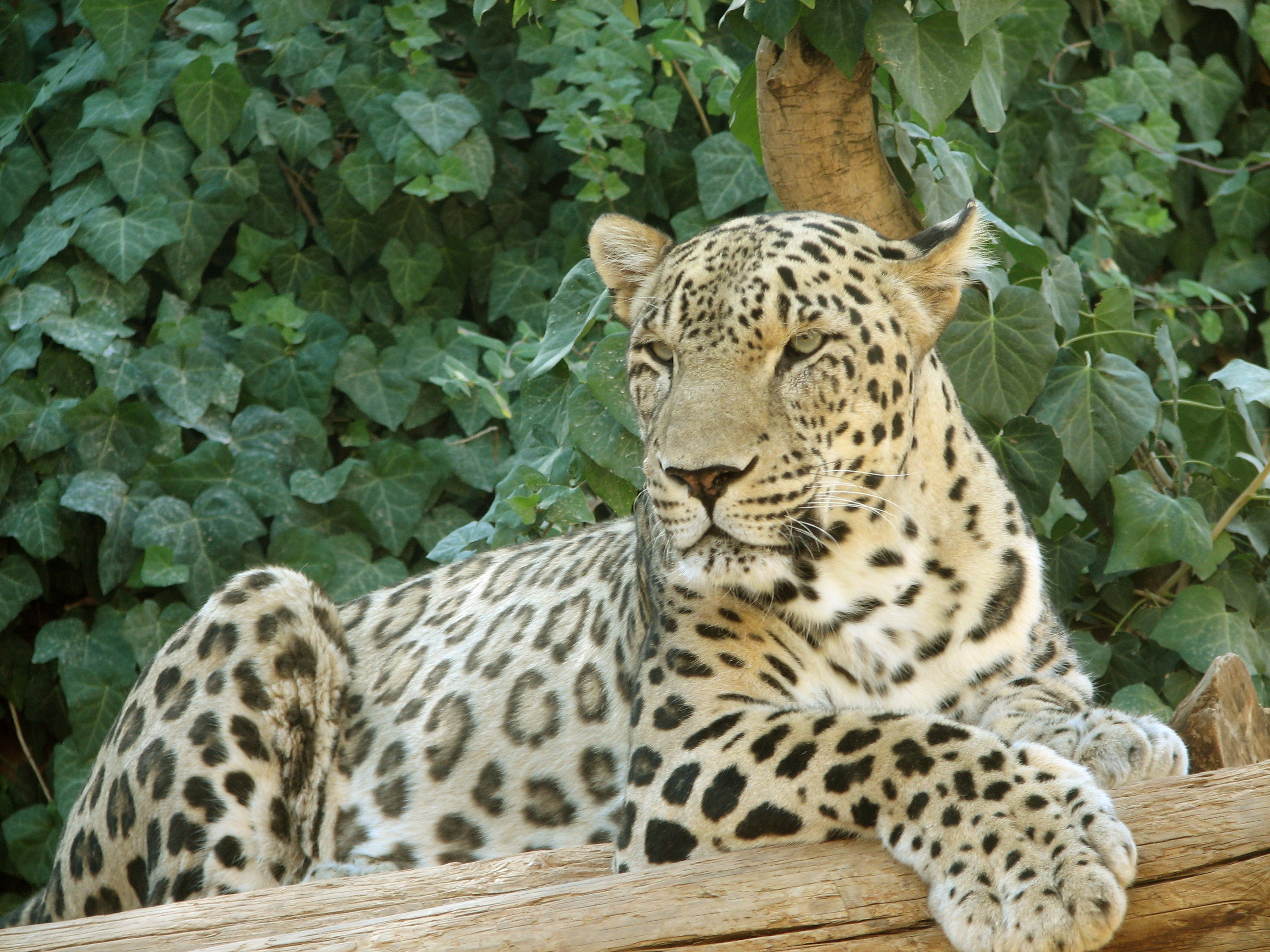
Taxonomy
- Kingdom
- Animalia
- Phylum
- Chordata
- Class
- Mammal
- Order
- Carnivora
- Family
- Felidae
- Genus
- Panthera
- Species
- Panthera pardus
Habitat
This subspecies primarily inhabits rugged mountainous regions, forests, and scrublands in southeastern Turkey and possibly adjacent areas. They prefer areas with dense vegetation for cover and proximity to water sources. Elevation ranges from 500 to 2000 meters, where they can hunt and hide effectively.
Diet
The Anatolian leopard preys mainly on medium-sized mammals such as wild goats, deer, and hares, as well as smaller animals like birds and rodents. They are opportunistic hunters, often ambushing prey at night or dawn, and may scavenge when opportunities arise. Feeding behavior includes dragging kills into trees to avoid scavengers.
Behavior
Anatolian leopards are primarily solitary and territorial, with males maintaining larger home ranges of up to 30 square kilometers to find food and mates. They are nocturnal hunters, using stealth and powerful leaps to capture prey, and are excellent climbers that rest in trees during the day. These leopards communicate through vocalizations, scent marking, and scratches on trees to establish boundaries.
Conservation Status
The Anatolian leopard is classified as Critically Endangered by the IUCN, with a declining population trend due to habitat loss, poaching, and human-wildlife conflict. Major threats include fragmentation of their range and low genetic diversity from small population sizes.