
Taxonomy
- Kingdom
- Animalia
- Phylum
- Chordata
- Class
- Mammal
- Order
- Artiodactyla
- Family
- Bovidae
- Genus
- Damaliscus
Habitat
Tsessebe primarily inhabit open grasslands and savannas in southern and eastern Africa, such as in Botswana, Zimbabwe, and Tanzania. They prefer areas with short grass for grazing and access to water sources, avoiding dense forests or mountainous terrain. These habitats provide visibility to spot predators.
Diet
Tsessebe are mainly grazers, feeding on a variety of grasses and occasionally herbs or shrubs. They exhibit selective feeding behavior, preferring fresh green shoots, and are most active during early morning and late afternoon to avoid the midday heat. In dry seasons, they may travel long distances in search of food.
Behavior
Tsessebe live in herds of 6-20 individuals, often led by a dominant male who defends a territory through displays like snorting and chasing rivals. They are diurnal, spending their days grazing, resting, and maintaining vigilance for predators, with individuals using speed up to 80 km/h to escape threats. Herds may merge during migrations, and males are territorial while females form more fluid groups.
Hunting
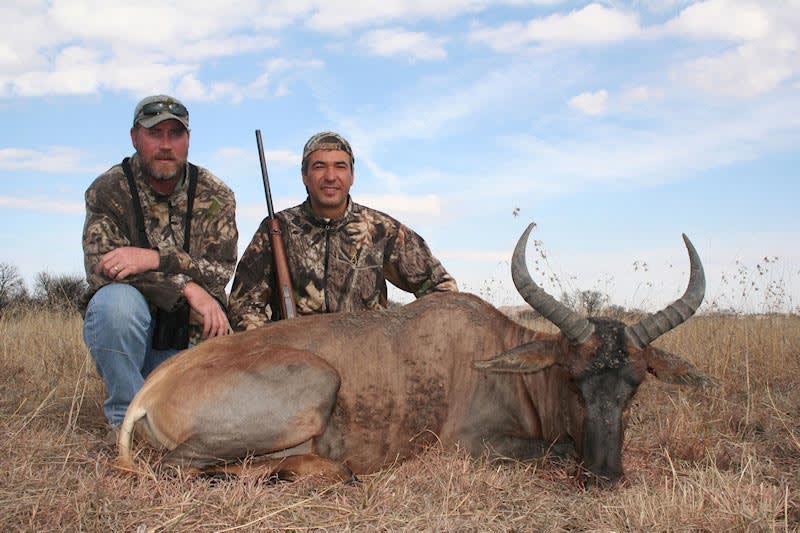
Tsessebe are a sought-after game animal in Southern Africa, primarily hunted using spot-and-stalk methods in open grasslands and savannas, where their speed and keen eyesight demand careful wind management and terrain strategy for successful approaches. Opt for reliable calibers like .270 Winchester, .30-06 Springfield, or .300 Winchester Magnum with premium bullets for clean, ethical kills, targeting the heart-lung area on broadside shots from distances up to 200 yards; a steady rest or bipod enhances accuracy in this habitat. The prime hunting season runs from June to October during the dry period, when Tsessebe concentrate near water sources, making for easier tracking and higher success rates. For trophies, focus on mature bulls with long, curved ringed horns measuring at least 20 inches, with top entries in the Safari Club International (SCI) record book surpassing 25 inches for exceptional specimens. Legal hunting is available in countries such as Botswana, Zimbabwe, and Tanzania, often on private conservancies and game ranches, where hunting revenues directly fund anti-poaching patrols and habitat protection programs, bolstering Tsessebe populations and demonstrating the effectiveness of regulated harvest in maintaining their Least Concern status under IUCN.
Conservation Status
The IUCN status of Tsessebe is Least Concern, but populations are decreasing due to habitat loss from agriculture and poaching. Major threats include human encroachment and drought, which fragment their habitats.