
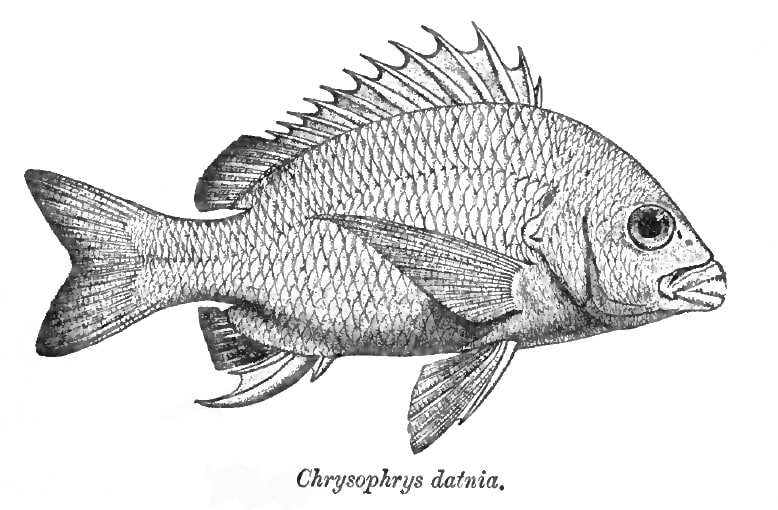
Taxonomy
- Kingdom
- Animalia
- Phylum
- Chordata
- Class
- Actinopterygii
- Order
- Siluriformes
- Family
- Sparidae
- Genus
- Acanthopagrus
- Species
- latus
Habitat
Yellowfin seabream inhabit coastal waters and estuaries in the Indo-West Pacific, including areas around Japan, China, Korea, and Vietnam. They prefer shallow, inshore environments with sandy or muddy bottoms, often near reefs, mangroves, or river mouths. These fish tolerate a range of salinities, making them adaptable to both marine and brackish waters.
Diet
Yellowfin seabream are omnivorous, feeding primarily on benthic invertebrates such as crabs, shrimp, worms, and mollusks. They also consume small fish and occasionally plant matter, using their strong pharyngeal teeth to crush hard shells. Feeding occurs mainly during the day on the seafloor.
Behavior
Yellowfin seabream are schooling fish that form groups in open waters for protection and feeding. They are diurnal, active during the day and resting at night, often exhibiting territorial behavior around food sources. These fish can be cautious and quick to flee from threats, and they migrate seasonally to spawning grounds.
Fishing
Target yellowfin seabream with bottom fishing techniques using light tackle for an exciting fight in shallow coastal waters; cast with a 7- to 9-foot medium-light rod paired with 10- to 20-pound test line and a sensitive reel to detect subtle bites, employing a simple Carolina rig or drop shot setup with hooks sized 1/0 to 2/0 for effective presentations. Use natural baits like live shrimp, crabs, or worms to mimic their diet of benthic invertebrates, or opt for soft plastic lures and jigs that imitate small fish for added versatility in attracting strikes. The best seasons are spring and summer during warmer months when they spawn and are most active, with peak fishing times in the daytime, especially early morning or late afternoon when they feed actively on the seafloor. Focus on habitats in the Indo-West Pacific, such as estuaries, river mouths, sandy or muddy bottoms near reefs, mangroves, and inshore areas around Japan, China, Korea, and Vietnam, where these adaptable fish thrive in both marine and brackish waters—use depth finders to locate structures between 10 to 30 feet. Record sizes include individuals up to 5 pounds 15 ounces and 60 cm in length, with IGFA all-tackle records highlighting the species' potential for impressive catches. Conservation efforts are supported by recreational fishing through license fees and excise taxes that fund habitat restoration and population monitoring, especially important for this IUCN Data Deficient species; practice catch-and-release and adhere to local slot limits or closed seasons as effective management tools that ensure healthy populations and sustainable angling opportunities.
Conservation Status
Listed as Data Deficient by IUCN.