
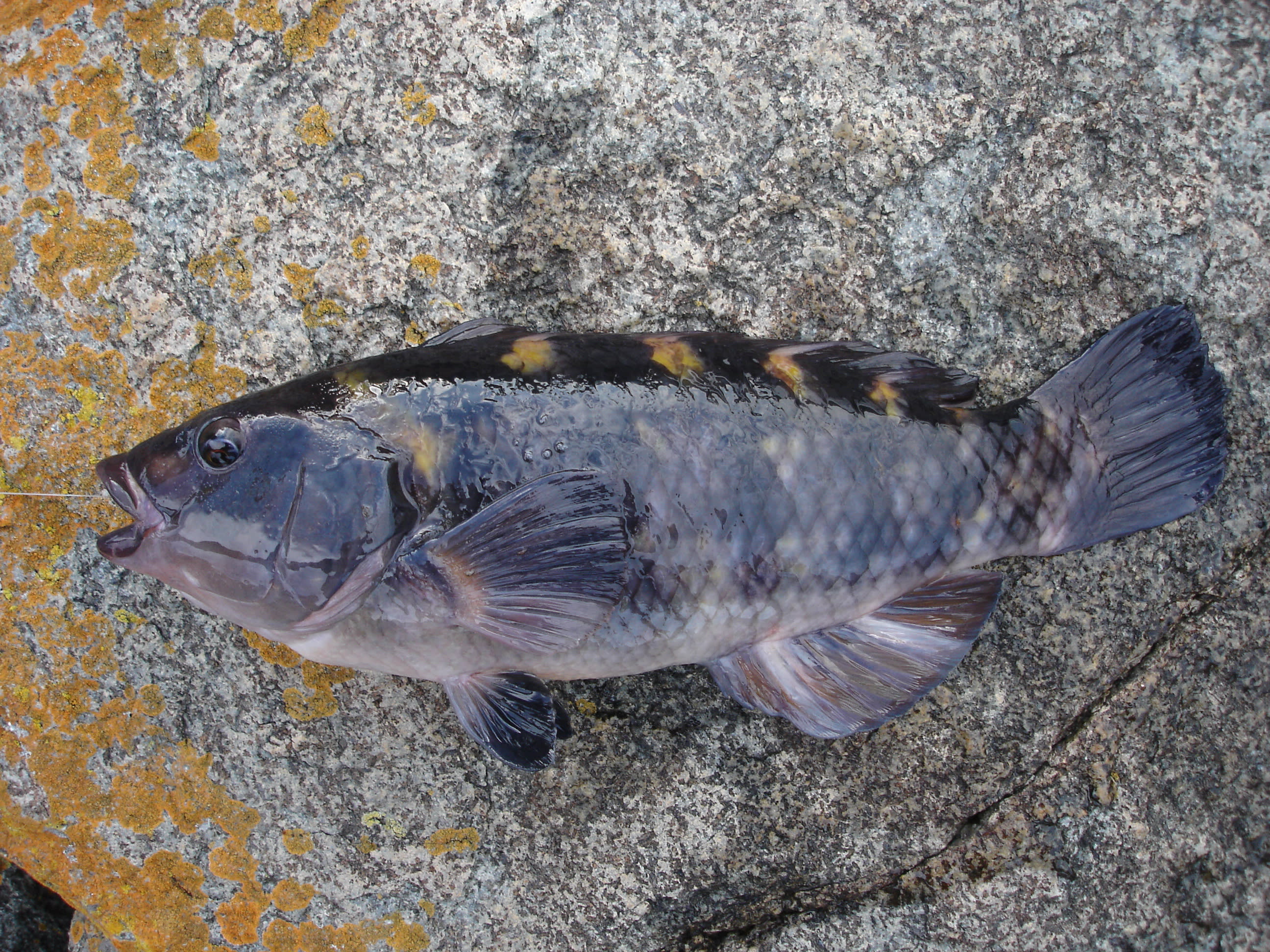
Taxonomy
- Kingdom
- Animalia
- Phylum
- Chordata
- Class
- Actinopterygii
- Order
- Perciformes
- Family
- Labridae
- Genus
- Notolabrus
- Species
- fucicola
Habitat
This species inhabits shallow coastal waters, typically around rocky reefs, kelp forests, and sandy areas with shelter. It prefers temperate regions in the eastern Indian Ocean and southwest Pacific, including southern Australia and New Zealand, where it can be found at depths of 1 to 20 meters. Geographic preferences include areas with abundant cover for protection and foraging.
Diet
The yellow saddled wrasse primarily feeds on small crustaceans, mollusks, and polychaete worms, which it hunts by turning over rocks and debris on the seafloor. It exhibits diurnal feeding behavior, actively foraging during the day in small groups or alone. Feeding times peak in the morning and late afternoon when prey is most active.
Behavior
Yellow saddled wrasses are diurnal and highly territorial, with males defending specific areas against intruders. They often form small, loose groups for foraging but can be solitary at times. Notable behaviors include rapid color changes for camouflage or mating displays, and they are known for their curious nature, approaching divers in their habitat.
Fishing
The yellow saddled wrasse is a popular target for recreational anglers in southern Australia and New Zealand, where it's valued as both a sport fish for its feisty fights and a food fish for its mild-flavored flesh, supporting conservation through license fees that fund habitat protection in coastal waters. Target them using light tackle bottom fishing techniques, such as drifting baits along rocky reefs or kelp forests in depths of 1 to 20 meters, where casting with a light spinning rod (6-10 lb test line), a sensitive reel, and size 1-2 hooks baited with live worms, shrimp, or small crustaceans mimics their natural diet for effective strikes; lures like small jigs or soft plastics that imitate prey can also work well for a more active approach. The best season is summer, coinciding with their spawning period, when water temperatures rise and fish are more active, with prime fishing times in the morning and late afternoon during daylight hours when they forage; always check local regulations for any slot limits or catch-and-release guidelines that help maintain healthy populations. Focus on temperate coastal habitats like shallow reefs and sandy areas with cover in regions such as New South Wales, Victoria, Tasmania, and New Zealand's islands, where careful angling practices contribute to IUCN's Least Concern status by promoting sustainable fisheries and angler-funded programs that protect these ecosystems. Record sizes reach up to 45 cm (about 18 inches) and 2 lbs 3 oz, with no specific IGFA records noted, encouraging anglers to practice catch-and-release to ensure long-term abundance.
Conservation Status
Listed as Least Concern by IUCN.