
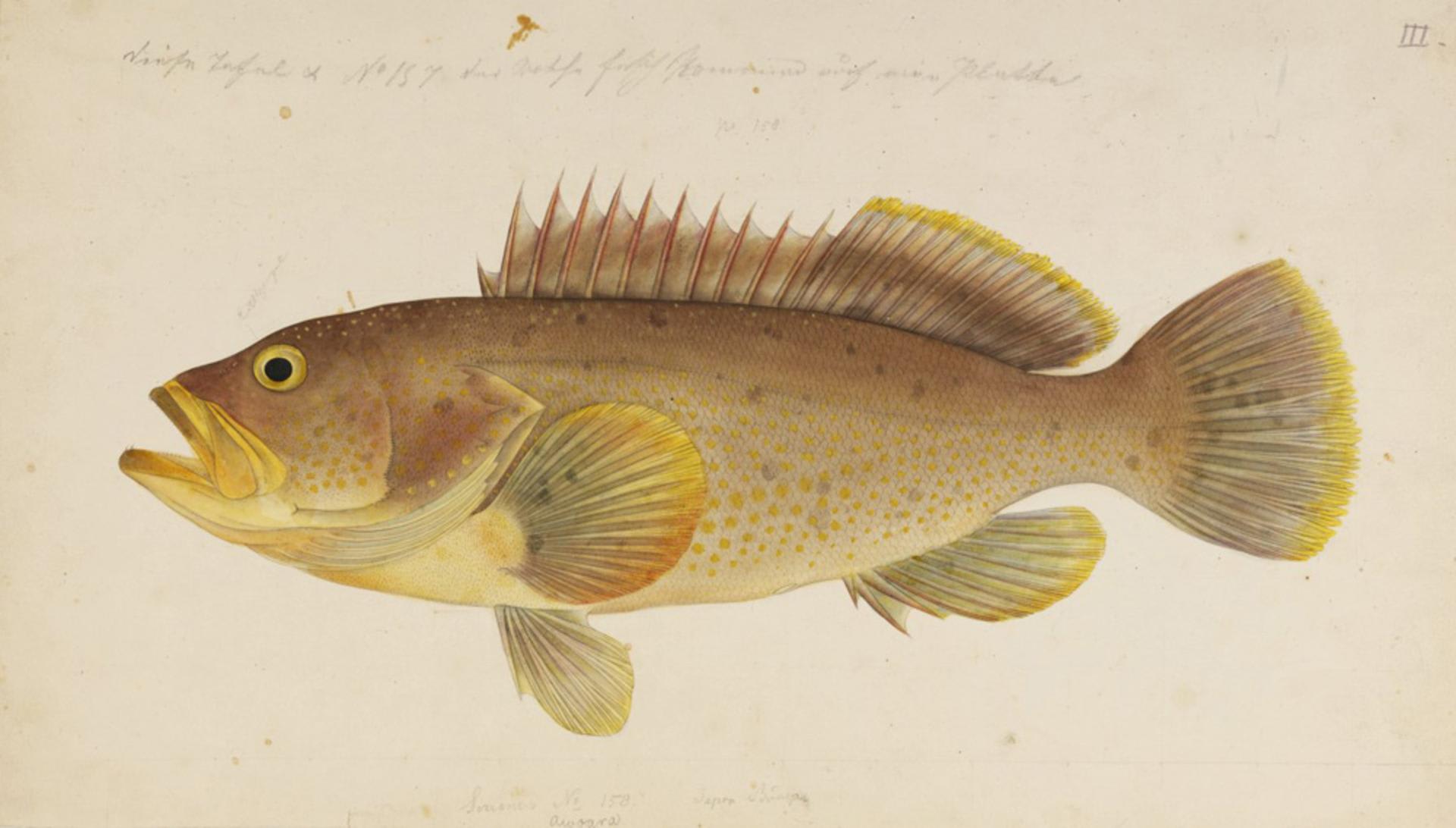
Taxonomy
- Kingdom
- Animalia
- Phylum
- Chordata
- Class
- Actinopterygii
- Order
- Scorpaeniformes
- Family
- Serranidae
- Genus
- Epinephelus
- Species
- awoara
Habitat
Yellow grouper inhabits coral reefs, rocky substrates, and lagoons in the Western Pacific Ocean. They prefer depths from 10 to 200 meters, often found around structures that provide shelter and ambush opportunities. This species avoids very shallow or extremely deep waters.
Diet
Yellow grouper primarily feeds on small fish, crustaceans, and cephalopods. They are ambush predators that hunt during the day, using their camouflage to surprise prey in reef environments. Feeding activity peaks at dawn and dusk.
Behavior
Yellow grouper are typically solitary or form small loose groups, often resting in crevices during the day and becoming more active at night. They exhibit territorial behavior around feeding and spawning sites, using color changes for camouflage and communication. This species is known for its cautious nature, quickly retreating to cover when threatened.
Fishing
Target yellow grouper, a prized sport fish in the Western Pacific, with effective bottom fishing or jigging techniques using medium-heavy tackle, such as a 7-foot rod, a sturdy reel with 20-30 pound test line, and circle hooks to minimize injury during catch-and-release. Use live bait like small fish, crustaceans, or cephalopods, or artificial lures that mimic their prey for the best results. The prime seasons are spring and summer during spawning aggregations, with optimal times at dawn and dusk when feeding activity peaks; focus on coral reefs, rocky substrates, and lagoons in depths of 10 to 200 meters around locations like Japan, the Philippines, Taiwan, and Hong Kong. Yellow grouper can reach up to 19 pounds 1 ounce, with the IGFA all-tackle world record at this weight, showcasing the thrill of angling for this species. As a conservation success, angler license fees fund habitat protection and stocking programs in these regions, while slot limits and catch-and-release practices in many areas serve as effective management tools to sustain populations, especially since it's listed as Data Deficient by the IUCN, ensuring recreational fishing contributes to long-term aquatic conservation.
Conservation Status
Listed as Data Deficient by IUCN.