
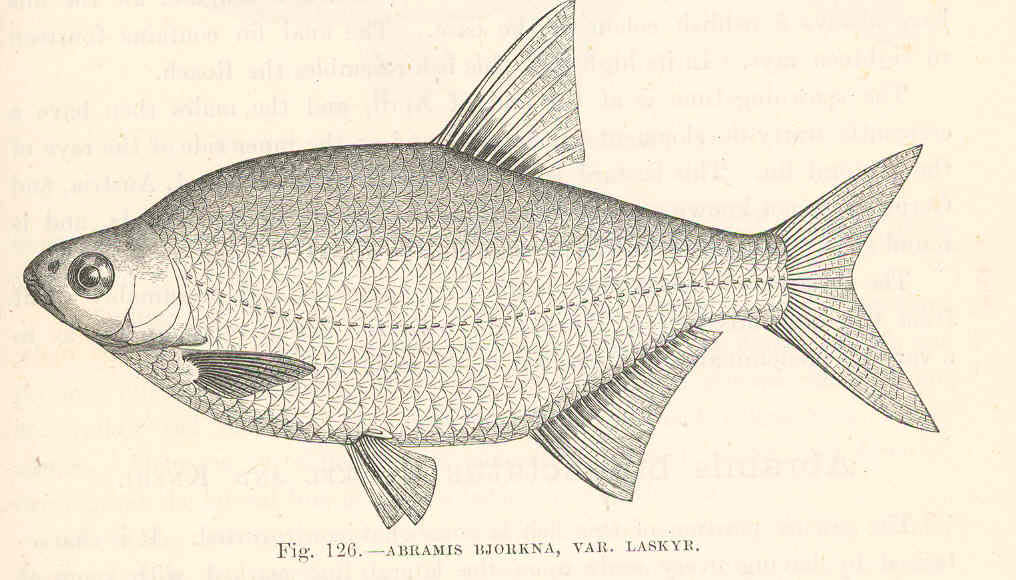
Taxonomy
- Kingdom
- Animalia
- Phylum
- Chordata
- Class
- Actinopterygii
- Order
- Labriformes
- Family
- Cyprinidae
- Genus
- Blicca
- Species
- bjoerkna
Habitat
White bream primarily inhabit freshwater lakes, rivers, and ponds with slow-moving or standing water across Europe and Asia. They prefer areas with abundant aquatic vegetation and muddy substrates for cover and feeding. These fish are adaptable to a range of water temperatures and depths, often found in lowland waterways.
Diet
White bream are omnivorous, feeding on small invertebrates like insects, crustaceans, and mollusks, as well as plant matter and algae. They forage during the day by sifting through the substrate or picking food from the water column. Their feeding behavior makes them important in maintaining aquatic ecosystem balance.
Behavior
White bream are schooling fish that form groups to enhance protection and foraging efficiency. They are primarily diurnal, active during the day for feeding and less active at night when they seek shelter in vegetation. During spawning seasons, they may exhibit territorial behavior to defend nesting sites.
Fishing
As a resilient freshwater species, white bream (Blicca bjoerkna) offers anglers in Europe and Asia a rewarding catch that supports conservation through license fees and habitat programs, helping maintain balanced aquatic ecosystems. Target them using simple techniques like float fishing or ledgering in slow-moving rivers, lakes, and ponds with abundant vegetation and muddy bottoms, where they school and feed during the day; cast near weed beds or shallow margins for the best results. Use light tackle such as a 6-10 foot rod with 4-8 lb test line, a small hook (size 10-14), and sensitive floats to detect subtle bites, paired with baits like worms, maggots, or small pieces of bread to mimic their omnivorous diet of invertebrates and plant matter. The best season is spring and early summer when water temperatures rise above 10-15°C, with peak activity in the morning and late afternoon; however, they can be caught year-round in warmer months. White bream typically reach 15-30 cm and up to 1 lb 12 oz, with no specific IGFA records, but larger individuals provide a fun challenge for beginners. Conservation efforts, including catch-and-release practices and angler-funded stocking programs, ensure stable populations listed as Least Concern by the IUCN, promoting healthy waterways across their range.
Conservation Status
Listed as Least Concern by IUCN.