
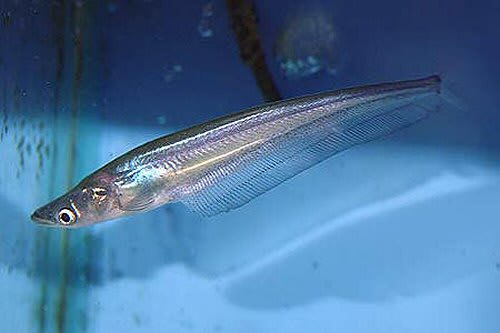
Taxonomy
- Kingdom
- Animalia
- Phylum
- Chordata
- Class
- Actinopterygii
- Order
- Siluriformes
- Family
- Siluridae
- Genus
- Micronema
- Species
- bleekeri
Habitat
This species inhabits freshwater rivers, streams, and lakes in tropical Southeast Asia, including areas like the Mae Klong River in Thailand and similar environments in Cambodia and Malaysia. They prefer slow-moving waters with muddy or sandy substrates and abundant vegetation for cover. These habitats are often in lowland areas with warm temperatures year-round.
Diet
Whisker sheatfish primarily feed on insects, crustaceans, smaller fish, and plant matter found on the river bottom. They are nocturnal bottom-feeders, using their barbels to locate food in murky waters, with feeding activity peaking at night. Their opportunistic diet helps them adapt to varying food availability in their habitats.
Behavior
Whisker sheatfish are primarily nocturnal, spending daylight hours hidden in crevices or under rocks to avoid predators. They exhibit solitary and territorial behavior, defending small areas of the riverbed during feeding. These fish are generally inactive during the day but become more active and exploratory at night when hunting.
Fishing
The Whisker sheatfish, a nocturnal bottom-feeder found in slow-moving freshwater rivers and streams like the Mae Klong River in Thailand, as well as similar habitats in Cambodia and Malaysia, provides rewarding angling opportunities that support aquatic conservation through license fees and habitat programs. Use effective bottom fishing techniques with a sturdy rod and reel setup, including 20-30 lb test line, a sinker to reach the muddy or sandy substrates, and size 1/0 to 2/0 hooks baited with live worms, small fish, or crustaceans to match their diet of insects and bottom-dwelling prey. The best times are at night when they are most active, with peak seasons during the rainy months from May to October, when warmer waters and higher flows enhance feeding and spawning activity. Target areas with abundant vegetation and cover in lowland tropical rivers, focusing on depths of 5-15 feet where they hide during the day. These fish can grow up to 14 lbs 14 oz, underscoring the thrill of the catch, though specific IGFA records are not established; always adhere to local regulations as effective management tools that maintain stable populations, such as catch-and-release practices, which help fund conservation efforts through angler-supported programs protecting Southeast Asian waterways.
Conservation Status
Listed as Least Concern by IUCN.