
Overview
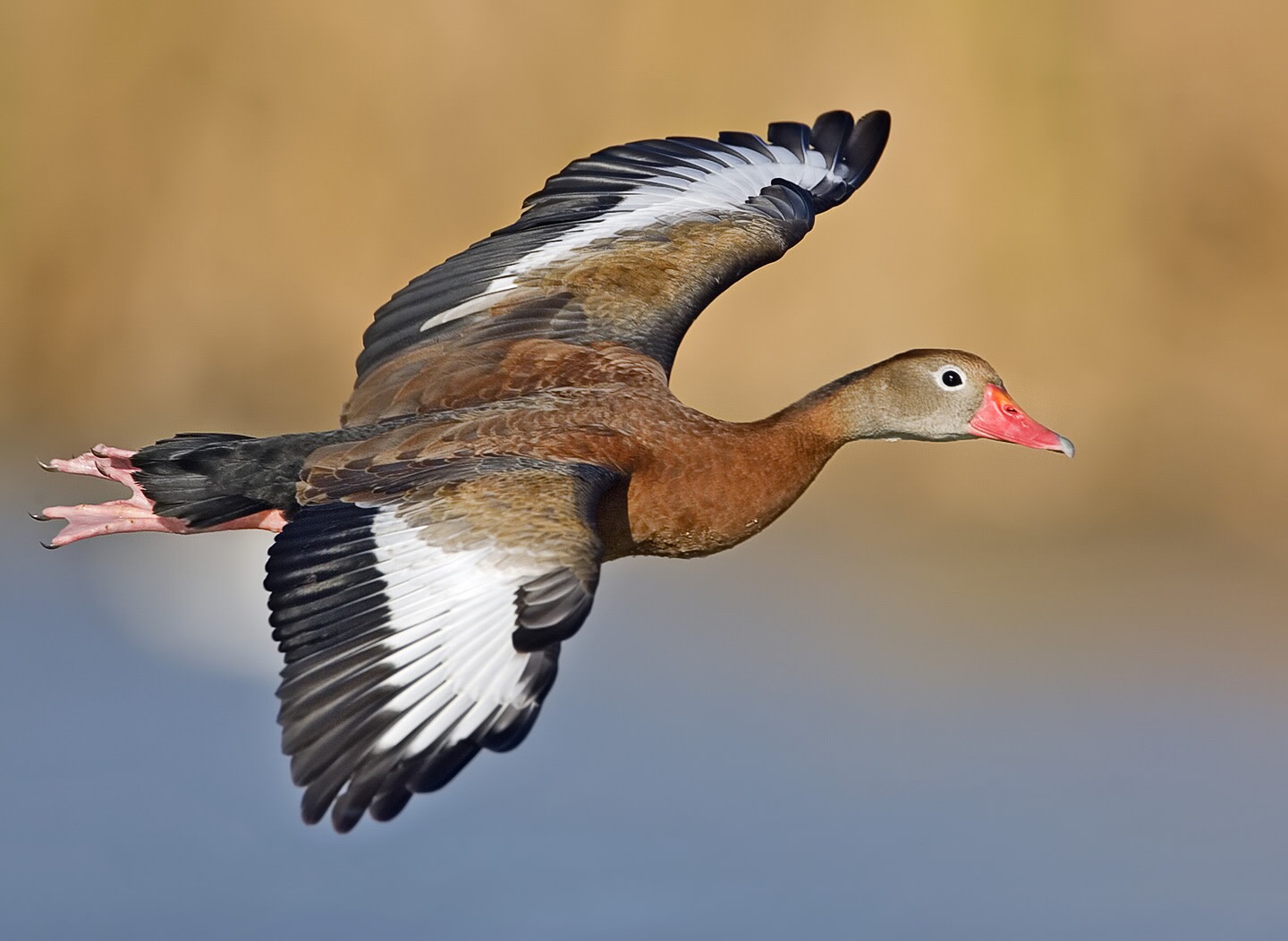
The West Indian whistling duck is the largest and darkest of its genus. It has a long black bill, long head and longish legs. It has a pale foreneck and light brown face. The crown, back, breast and wings are dark brown to black, and the rest of the underparts are white with heavy black markings. All plumages are similar, except that juveniles are duller and have a less contrasted belly pattern.
Taxonomy
- Kingdom
- Animalia
- Phylum
- Chordata
- Class
- Bird
- Family
- Anatidae
- Genus
- Dendrocygna
- Species
- arborea
Habitat
Inhabits wooded swamps and mangroves.
Diet
Plant food including the fruit of the Royal Palm.
Behavior
It is largely sedentary, apart from local movements, which can be 100 km or more. Nests have been reported in tree cavities, on branches, in clumps of bromeliads, and on the ground under thatch palms and other dense bushes. The usual clutch size is 10-16 eggs. It habitually perches in trees, which gives rise to its specific name. The birds are mostly nocturnal and secretive.
Hunting
More information is needed.
Conservation Status
Listed as Vulnerable by IUCN.