
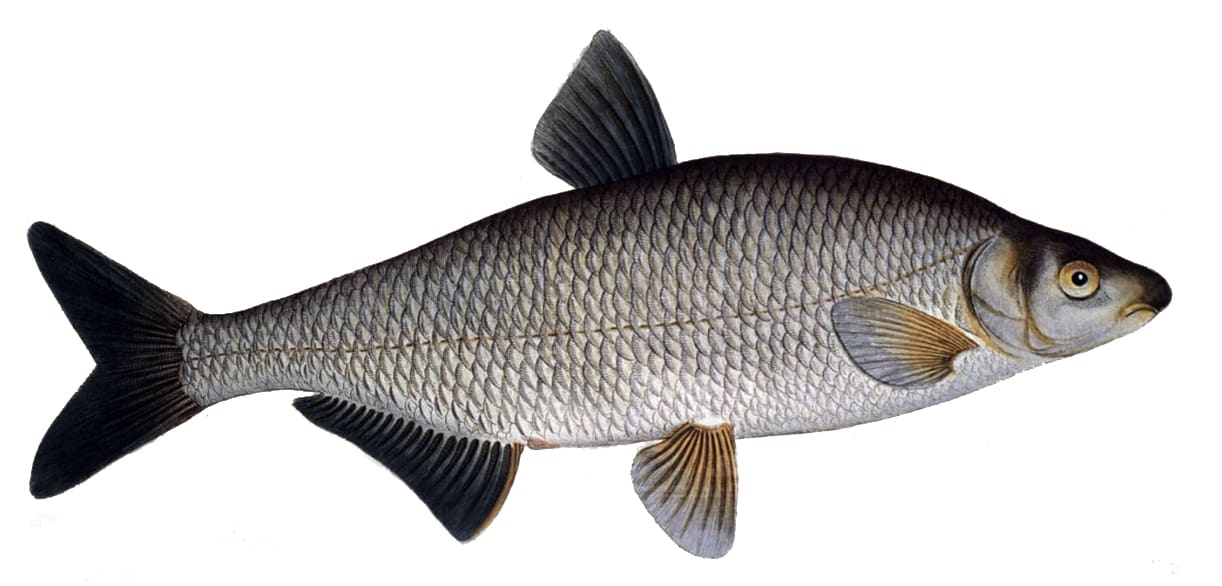
Taxonomy
- Kingdom
- Animalia
- Phylum
- Chordata
- Class
- Actinopterygii
- Order
- Osteoglossiformes
- Family
- Cyprinidae
- Genus
- Vimba
- Species
- vimba
Habitat
Vimba vimba primarily inhabits large rivers, lakes, and reservoirs in Europe and western Asia, preferring areas with sandy or gravelly substrates and moderate current. It can tolerate a range of water conditions, including slightly brackish environments near river mouths. These fish are often found in schools in open water or near the bottom.
Diet
Vimba vimba feeds on small invertebrates such as insects, crustaceans, and worms, as well as plant material and detritus. It exhibits bottom-feeding behavior, foraging in schools during daylight hours. Feeding intensity increases in warmer months when food is abundant.
Behavior
Vimba vimba are schooling fish that form loose groups for protection and feeding, making them more active in larger numbers. They are primarily diurnal, spending daylight hours foraging and resting at night. During spawning migrations, they exhibit upstream movements and minimal territorial aggression.
Fishing
Vimba, a popular sport fish in European rivers and lakes, provides anglers with rewarding catches that fund conservation through license fees and habitat restoration programs. Use bottom fishing or float techniques to target these schooling fish, employing light tackle like a 6-10 foot rod, 4-8 lb test line, and size 8-12 hooks baited with worms, insects, or small crustaceans to match their diet of invertebrates. The best season is spring and summer when water temperatures reach 10-15°C, with optimal fishing during daylight hours over sandy or gravelly substrates in large rivers, lakes, and reservoirs. Aim for impressive sizes up to 40 cm and 2 lbs 8 oz, supporting ongoing population stability as classified by the IUCN; while IGFA records are not specifically noted, local regulations such as slot limits and catch-and-release practices serve as effective tools to sustain healthy Vimba populations and protect aquatic ecosystems through angler-funded initiatives.
Conservation Status
Listed as Least Concern by IUCN.