
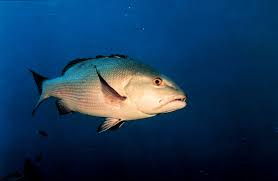
Taxonomy
- Kingdom
- Animalia
- Phylum
- Chordata
- Class
- Actinopterygii
- Order
- Perciformes
- Family
- Lutjanidae
- Genus
- Lutjanus
- Species
- bohar
Habitat
This species primarily inhabits coral reefs, lagoons, and outer reef slopes in the Indo-Pacific region, often at depths of 10 to 200 meters. It prefers areas with rocky structures, caves, and drop-offs for shelter. Geographic preferences include warm tropical waters around islands and continental shelves.
Diet
The two-spot red snapper is a carnivorous predator that feeds mainly on small fishes, crustaceans like crabs and shrimp, and cephalopods such as squid. It hunts actively at night using ambush tactics in reef areas. Feeding peaks during twilight hours when visibility is low.
Behavior
The two-spot red snapper is typically solitary or forms small loose groups, showing territorial behavior around feeding and resting sites. It is primarily nocturnal, spending days hiding in crevices and becoming active at night to hunt. This species is cautious and can be aggressive when defending its territory, often fleeing quickly when threatened.
Fishing
Target the two-spot red snapper, a prized game fish in the Indo-Pacific, using effective bottom fishing or trolling techniques around coral reefs and drop-offs to mimic its natural ambush hunting style; jigging with metal jigs or live bait presentations works best for enticing strikes in deeper waters. Opt for medium-heavy rods with 20-50 lb test line, sturdy reels, and strong leaders to handle their powerful runs and the rocky structures they inhabit, pairing this with live baits like shrimp, small fish, or squid, or artificial lures such as soft plastics and jigs that imitate their prey. The best seasons are during warmer months from spring to summer when they aggregate for spawning, with peak activity at night or during twilight hours when they actively hunt; focus on depths of 10 to 200 meters around outer reef slopes, lagoons, and caves for the highest success. This species can reach impressive sizes, with weights up to 31 pounds 15 ounces and lengths to 90 cm, and while specific IGFA records may vary, it underscores their status as a challenging catch. Conservation-wise, as a Least Concern species per IUCN, angler-funded programs support habitat protection in regions like Australia and the Pacific Islands through license fees that fund reef restoration and stocking efforts; always adhere to local slot limits and catch-and-release practices as smart management tools that ensure sustainable populations and preserve these vital coral ecosystems for future generations.
Conservation Status
Listed as Least Concern by IUCN.