
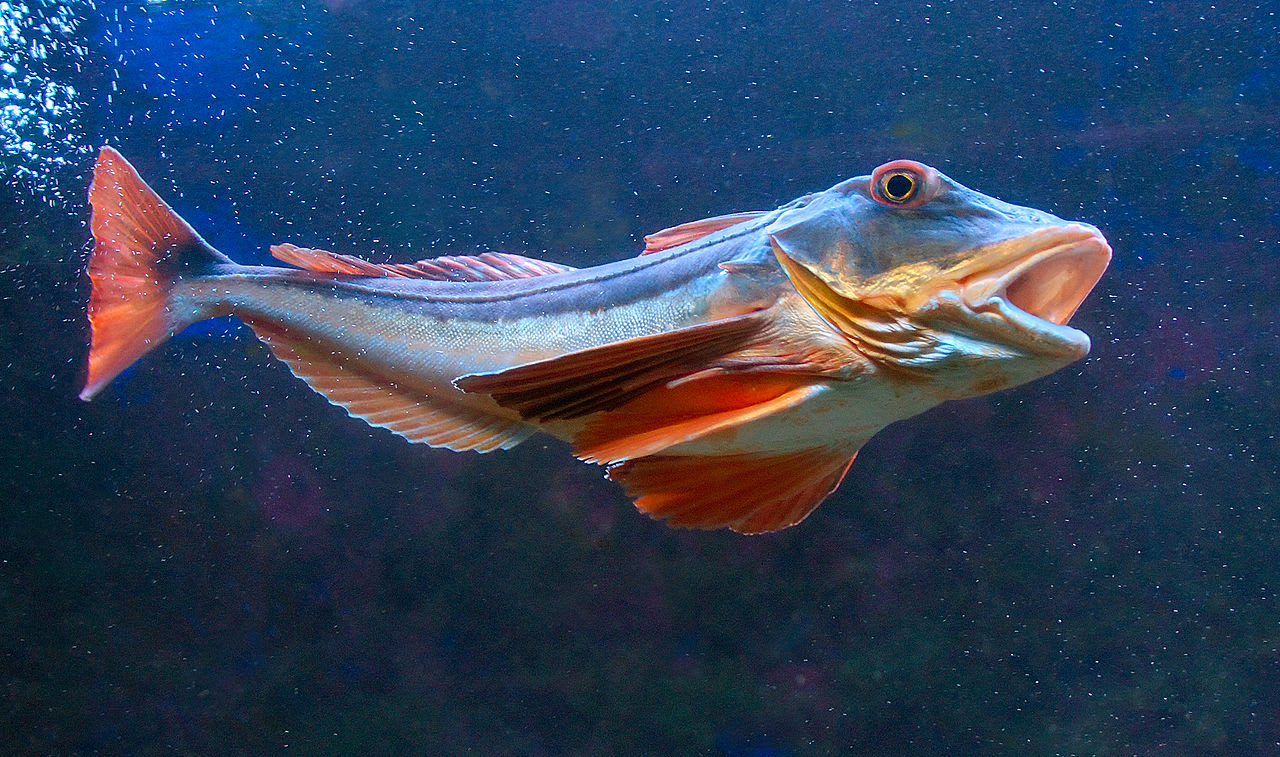
Taxonomy
- Kingdom
- Animalia
- Phylum
- Chordata
- Class
- Actinopterygii
- Order
- Tetraodontiformes
- Family
- Triglidae
- Genus
- Chelidonichthys
- Species
- lucerna
Habitat
Tub gurnards inhabit sandy or muddy seabeds in coastal waters, ranging from shallow areas to depths of about 200 meters in the Atlantic Ocean, Mediterranean Sea, and Black Sea. They prefer temperate to subtropical regions and are often found near structures like rocks or reefs where prey is abundant.
Diet
Tub gurnards primarily feed on bottom-dwelling invertebrates such as crabs, shrimp, and mollusks, along with small fish. They use their sensitive pectoral fins to detect and uncover buried prey, typically hunting at night or during low light conditions. Feeding behavior involves ambushing prey on the seafloor.
Behavior
Tub gurnards are primarily nocturnal, spending the day buried in sand to avoid predators and emerging at night to hunt. They exhibit territorial behavior around feeding areas and use their pectoral fins to 'walk' across the seabed, which helps in maneuvering and startling prey. They are generally solitary but may form loose aggregations during spawning seasons.
Fishing
Targeting tub gurnards offers anglers a rewarding challenge in coastal waters, supporting conservation through license fees that fund habitat protection in the Atlantic and Mediterranean. Use bottom fishing techniques like drifting or anchoring over sandy or muddy seabeds, employing a sturdy rod and reel setup with 20-30 pound test line to handle the fish's strong pectoral fins and potential snags around rocks or reefs; opt for a 7-9 foot medium-heavy rod paired with a conventional reel for better control in depths up to 200 meters. Effective baits include live or dead shrimp, crabs, or small mollusks, rigged on a simple bottom rig with a sinker to keep offerings near the seafloor where these fish ambush prey. The best seasons are spring and summer when tub gurnards are more active during spawning migrations, with prime times being dusk or night when they emerge to hunt; focus on temperate to subtropical regions like the Northeast Atlantic, Mediterranean, or Black Sea, targeting areas with structures such as reefs or drop-offs for higher success. Record sizes reach up to 75 cm in length and 6 pounds 11 ounces, with no specific IGFA all-tackle record noted, encouraging anglers to aim for personal bests while practicing catch-and-release to maintain stable populations. As a Least Concern species with effective management through angler-funded programs that support habitat restoration, adhering to local slot limits or seasonal closures in places like France or Greece ensures healthy stocks and promotes sustainable fishing practices.
Conservation Status
Listed as Least Concern by IUCN.