
Taxonomy
- Kingdom
- Animalia
- Phylum
- Chordata
- Class
- Actinopterygii
- Order
- Perciformes
- Family
- Polynemidae
- Genus
- Polydactylus
- Species
- plebeius
Habitat
Striped threadfin primarily inhabit coastal waters, estuaries, and mangrove areas in the Indo-Pacific region, including Australia, Japan, and East Africa. They prefer shallow, warm waters with sandy or muddy substrates, often up to 20 meters deep. These environments provide ample cover and food sources.
Diet
Striped threadfin feed mainly on small fish, shrimp, crabs, and other crustaceans found on the ocean floor. They are opportunistic hunters that forage in schools during the day, using their sensitive pectoral filaments to detect prey. Feeding activity peaks at dawn and dusk in shallow waters.
Behavior
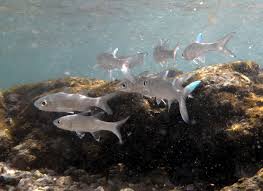
Striped threadfin are schooling fish that travel in groups for protection and feeding, often in shallow coastal areas. They are diurnal, active during the day and resting at night, with territorial behaviors around prime feeding spots. They may migrate seasonally to follow food sources or spawning grounds.
Fishing
The Striped threadfin is a sought-after sport fish in the Indo-Pacific, including Australia, Japan, and East African coasts, where recreational fishing supports conservation through license fees that fund habitat restoration and protect vital estuarine ecosystems. Target them using bottom fishing or casting techniques with live bait like shrimp or small fish, or lures that imitate crustaceans and baitfish for effective strikes in shallow waters. Opt for medium-light spinning rods with 10-20 lb test line, reels for smooth retrieves, and hooks sized 1/0 to 2/0 to handle their feisty runs in currents. The best season is during warmer months when they spawn and feed actively, with peak times at dawn and dusk in coastal waters, estuaries, and mangrove areas up to 20 meters deep over sandy or muddy substrates—focus on schooling groups near cover for higher success. The IGFA all-tackle world record stands at 3 pounds 10 ounces, showcasing the thrill of landing these agile fighters that typically reach 30-70 cm. As an effective management tool, catch-and-release practices and slot limits in some regions help sustain populations, contributing to angler-funded programs that ensure the stability of this Not Evaluated IUCN species while promoting healthy waterways.
Conservation Status
Listed as Not Evaluated by IUCN.