
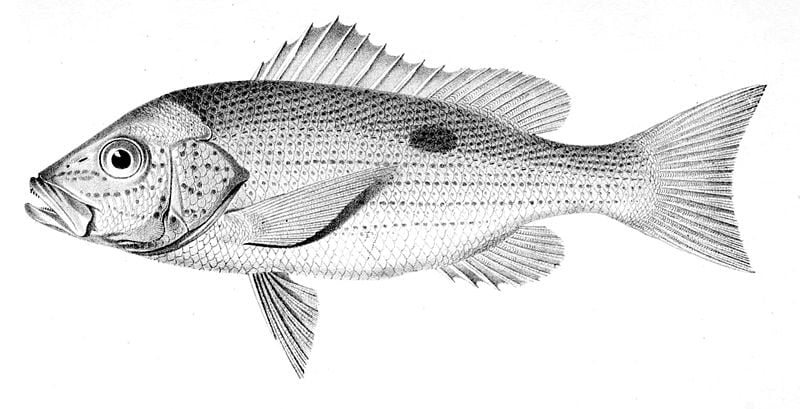
Taxonomy
- Kingdom
- Animalia
- Phylum
- Chordata
- Class
- Actinopterygii
- Order
- Perciformes
- Family
- Lutjanidae
- Genus
- Lutjanus
- Species
- guttatus
Habitat
This species inhabits coastal waters of the Eastern Pacific, preferring rocky reefs, coral structures, and sandy bottoms from shallow depths of about 10 meters to around 100 meters. It is commonly found in warmer tropical and subtropical regions, often near islands or continental shelves where structure provides shelter.
Diet
The spotted rose snapper primarily feeds on smaller fish, crustaceans like shrimp and crabs, and mollusks such as squid. It hunts during the day in schools, ambushing prey in reefs and open waters, and is known for its aggressive feeding behavior when food is abundant.
Behavior
Spotted rose snappers are schooling fish that form groups for protection and feeding, often seen swimming near the bottom during daylight hours. They exhibit territorial behavior around reefs, defending feeding areas aggressively, and are generally active predators that rest in crevices at night. This species is known for its migratory patterns related to spawning aggregations.
Fishing
Anglers targeting the spotted rose snapper, a prized sport fish in the Eastern Pacific, should focus on bottom fishing or trolling near rocky reefs and coral structures at depths of 10 to 100 meters, as these habitats provide ideal ambush points for this aggressive predator; use medium-heavy rods with 20-30 lb test line, sturdy reels, and circle hooks to minimize injury during catch-and-release, paired with effective baits like live shrimp, squid, or small fish, or lures such as jigs and diving plugs to mimic their natural prey of crustaceans and smaller fish. The best season runs from April to October during spawning aggregations, with peak activity in the early morning or late afternoon when they actively hunt in schools, making these times ideal for productive outings that support conservation by funding habitat protection through license fees. Target areas include the coasts of Mexico, Costa Rica, and other Pacific regions like the Gulf of California or Galapagos Islands, where regulated fishing helps maintain stable populations; always adhere to local slot limits and size regulations as effective tools for ensuring sustainable harvests and healthy stocks. The IGFA all-tackle world record stands at around 3 pounds 1 ounce, though larger specimens up to 1 meter have been reported, underscoring the thrill of the chase while angler-supported programs, such as those funding reef restoration, demonstrate how recreational fishing drives aquatic conservation efforts.
Conservation Status
Listed as Least Concern by IUCN.