
Taxonomy
- Kingdom
- Animalia
- Phylum
- Chordata
- Class
- Actinopterygii
- Order
- Perciformes
- Family
- Paralichthyidae
- Genus
- Paralichthys
- Species
- lethostigma
Habitat
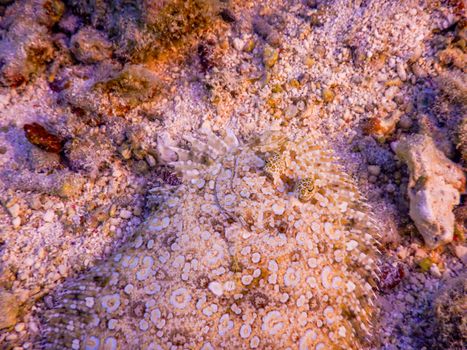
Southern flounders inhabit coastal estuaries, bays, and shallow marine waters along the western Atlantic from North Carolina to Texas and the Gulf of Mexico. They prefer sandy or muddy substrates where they can bury themselves, often in waters up to 50 meters deep. This species tolerates a range of salinities, from fully marine to brackish environments.
Diet
Southern flounders primarily eat small fish, shrimp, crabs, and other benthic invertebrates. They are ambush predators that lie in wait on the ocean floor and strike quickly with a powerful suction. Feeding is most active at night or during low-light conditions.
Behavior
Southern flounders are solitary and territorial, often burying themselves in sediment to avoid detection and ambush prey. They are primarily nocturnal, with increased activity at dawn and dusk for feeding. This species migrates seasonally, moving to deeper offshore waters in winter and shallower inshore areas in summer.
Fishing
Target southern flounder, a prized inshore sport fish, using bottom fishing techniques like jigging or drifting bait along sandy or muddy substrates in estuaries and bays for the best results. Employ light to medium spinning rods with 10-20 pound test line, paired with a Carolina rig, jig heads, or bottom rigs; effective baits and lures include live shrimp, minnows, or soft plastic imitations to mimic their natural prey like small fish and crabs. The prime season runs from late spring through fall when they migrate to shallower inshore waters, with optimal fishing times at dawn and dusk during low-light periods when they're most active. Focus on habitats such as Chesapeake Bay, the Gulf of Mexico, and southern U.S. coasts, targeting depths up to 50 meters in brackish or marine environments where they bury themselves to ambush prey. The IGFA all-tackle world record is 22 pounds 7 ounces, highlighting their potential for thrilling catches up to 36 inches. As a Near Threatened species, conservation efforts are supported by angler-funded programs, including slot limits and catch-and-release practices in many regions, which serve as effective management tools to sustain populations and protect vital waterways through license fees and habitat restoration initiatives.
Conservation Status
Listed as Near Threatened by IUCN.