
Taxonomy
- Kingdom
- Animalia
- Phylum
- Chordata
- Class
- Actinopterygii
- Order
- Scorpaeniformes
- Family
- Serranidae
- Genus
- Hyporthodus
- Species
- niveatus
Habitat
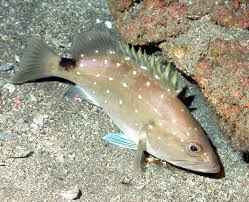
Snowy grouper inhabit deep waters of the continental shelf, typically on rocky bottoms, coral reefs, or hard substrates at depths of 50 to 500 meters. They are found in the western Atlantic from Massachusetts to Brazil, preferring areas with strong currents and abundant cover for ambush hunting. These environments provide both shelter and access to prey.
Diet
Snowy grouper primarily feed on fish such as snappers and grunts, as well as squid, octopuses, and crustaceans like crabs and shrimp. They are ambush predators that hunt by lying in wait near structures, striking quickly at passing prey. Feeding activity peaks during dawn and dusk in deeper waters.
Behavior
Snowy grouper are generally solitary and territorial, defending specific areas around reefs or rocky outcrops. They exhibit ambush predation, remaining motionless until prey is within range, and are most active during low-light periods like dawn and dusk. These fish can be cautious and elusive, often retreating to deeper waters when threatened.
Fishing
Snowy grouper are a premier deep-sea sport fish, best targeted with bottom fishing techniques using heavy tackle to handle their preference for depths of 50 to 500 meters on rocky bottoms, coral reefs, and hard substrates in the western Atlantic from Massachusetts to Brazil. Employ sturdy rods rated for 50-80 pound test line, paired with strong reels, circle hooks, and sinkers to reach these depths effectively; top baits include live squid, cut fish, or lures mimicking prey like grunts and shrimp to entice their ambush-style strikes. The best season is summer during spawning aggregations, with dawn and dusk offering peak activity for successful catches due to their heightened feeding behavior. Focus on strong current areas off the Eastern United States, Gulf of Mexico, and Caribbean for reliable encounters, where angler-funded license fees and excise taxes support vital conservation efforts like habitat protection and stocking programs. These fish are managed with effective tools such as size limits and bag restrictions to maintain healthy populations, as evidenced by their Vulnerable IUCN status, ensuring sustainable fishing; the IGFA all-tackle world record is 70 pounds 7 ounces, highlighting the thrill of landing these powerful fighters.
Conservation Status
Listed as Vulnerable by IUCN.