
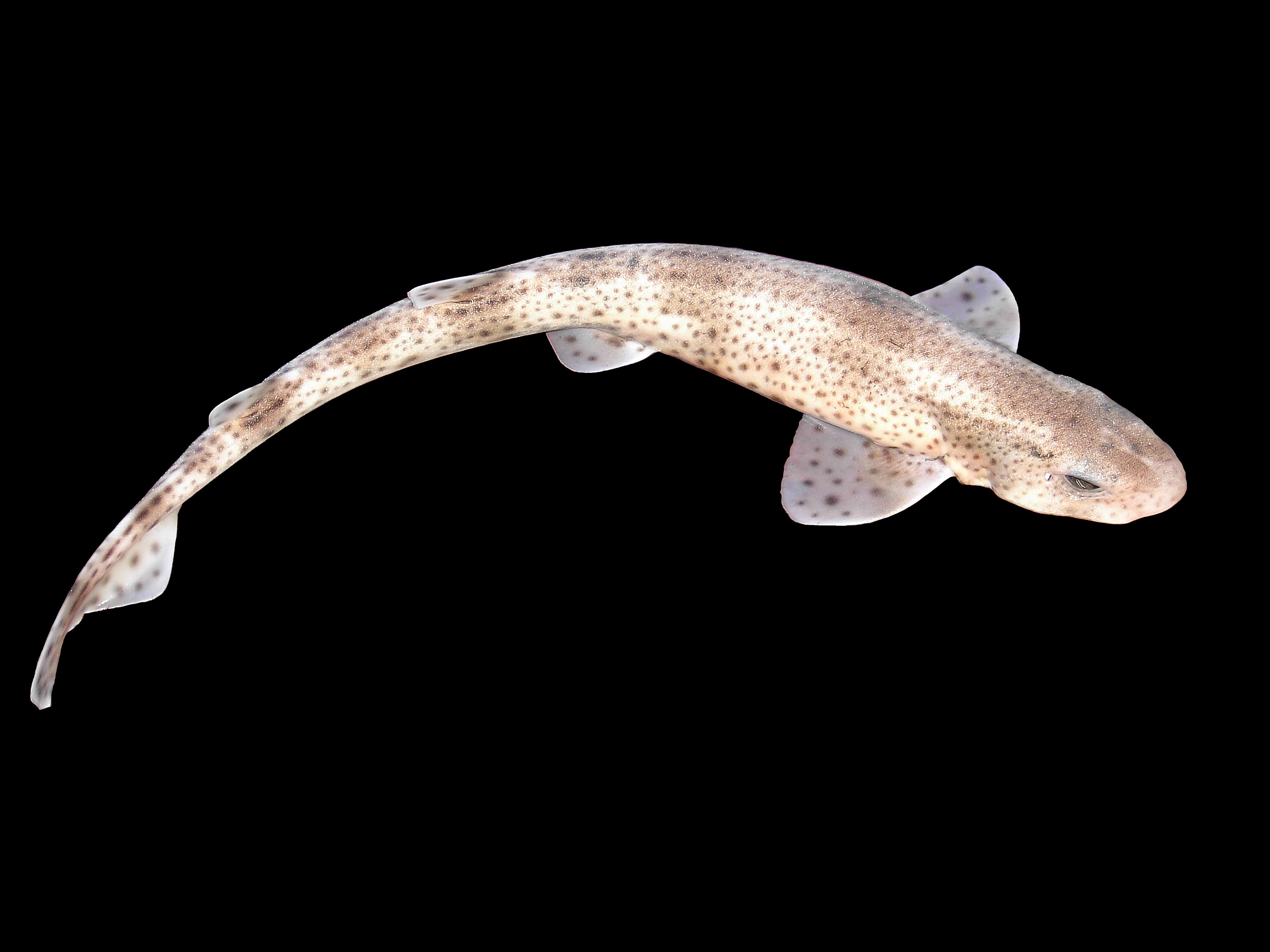
Taxonomy
- Kingdom
- Animalia
- Phylum
- Chordata
- Class
- Chondrichthyes
- Order
- Rhinopristiformes
- Family
- Scyliorhinidae
- Genus
- Scyliorhinus
- Species
- canicula
Habitat
This species inhabits the continental shelves of the Northeast Atlantic, from Norway to Senegal, and extends into the Mediterranean and Black Seas. It prefers sandy or muddy seabeds at depths ranging from 10 to 800 meters, often near rocky areas or reefs for shelter. They are commonly found in coastal waters but can venture into deeper offshore environments.
Diet
The small-spotted catshark primarily feeds on small fish, crustaceans like crabs and shrimp, and molluscs such as squid and worms. It hunts nocturnally by scavenging or ambushing prey on the seafloor, using its barbels to detect food in the dark. Feeding activity peaks at night when the shark is most active.
Behavior
Small-spotted catsharks are primarily nocturnal, spending daylight hours hidden in crevices or under rocks to avoid predators. They are solitary animals but may form loose aggregations during mating seasons or in areas with abundant food. This species exhibits territorial behavior around preferred hiding spots and is known to curl into a defensive ball when threatened. They are generally non-aggressive towards humans.
Conservation Status
Listed as Least Concern by IUCN.