
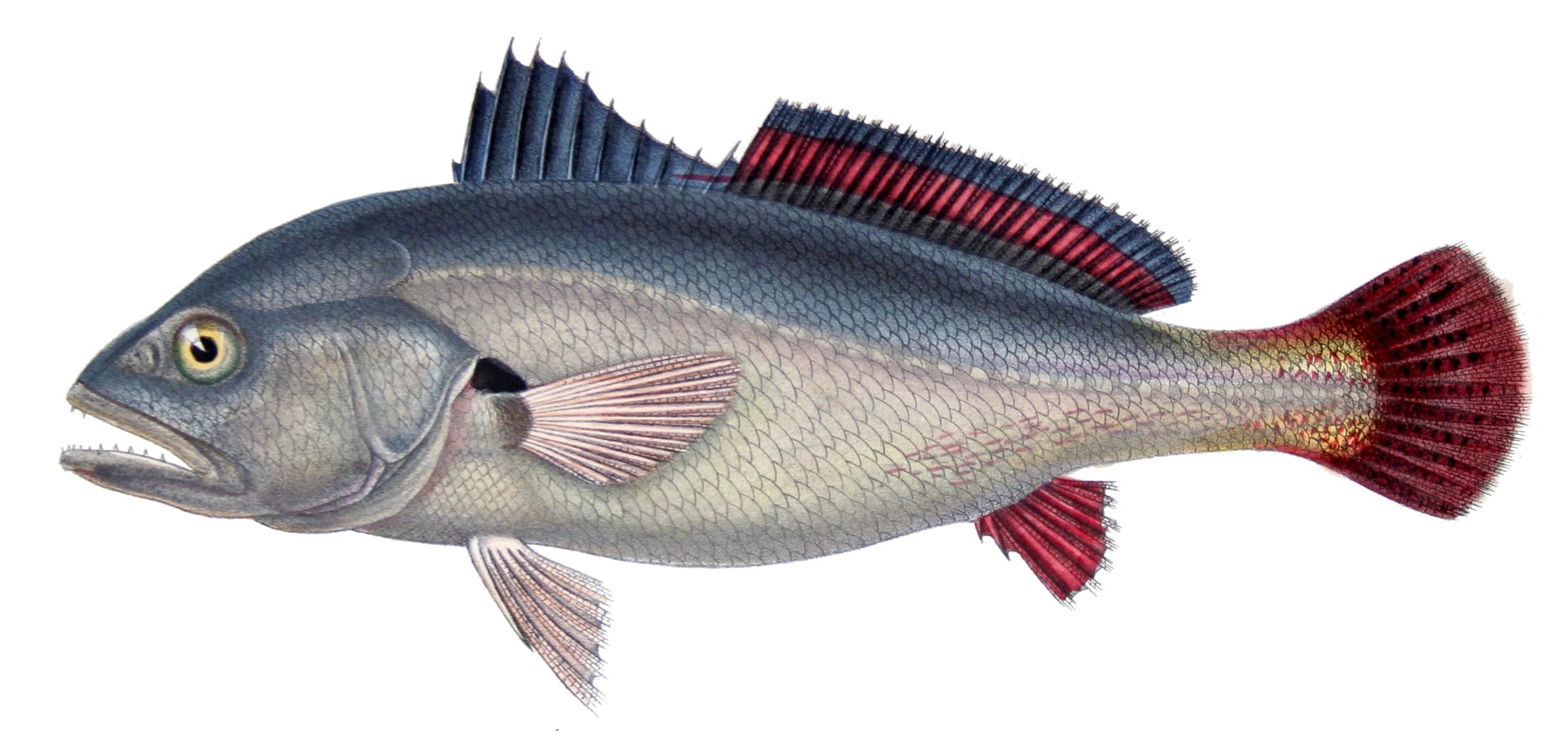
Taxonomy
- Kingdom
- Animalia
- Phylum
- Chordata
- Class
- Actinopterygii
- Order
- Perciformes
- Family
- Sciaenidae
- Genus
- Plagioscion
- Species
- squamosissimus
Habitat
This fish primarily inhabits large freshwater rivers, floodplains, and lakes in South America, such as the Amazon, Orinoco, and Paraná basins. It prefers warm waters with sandy or muddy bottoms and is often found in areas with moderate current.
Diet
It feeds mainly on smaller fish, crustaceans like shrimp, and insects. Feeding behavior is primarily nocturnal, with the fish hunting in schools to ambush prey.
Behavior
Silver croakers are nocturnal and form schools for protection and feeding. They exhibit territorial behavior during spawning seasons and communicate using croaking sounds. They are generally active in mid-water columns and avoid fast-moving waters.
Fishing
Anglers targeting the Silver South American croaker in South America's iconic rivers like the Amazon, Orinoco, Paraná, Paraguay, and São Francisco will find success with trolling or casting techniques using jigs and crankbaits that imitate small fish or crustaceans, as this nocturnal predator hunts in schools during evening and night hours. Opt for medium-heavy spinning or baitcasting rods with 20-30 lb test line and sturdy reels to handle their powerful runs, paired with baits such as live shrimp, small fish, or vibrating lures to trigger strikes in warm, moderate-current waters over sandy or muddy bottoms. The best season is during the rainy months when spawning occurs in flooded areas, enhancing activity and making nighttime the prime time for bites in these freshwater habitats. This species can grow up to 11 pounds 4 ounces and 60 cm, supporting exciting sport fishing opportunities. As a key part of recreational fishing in these regions, practices like catch-and-release help maintain healthy populations, with angler-funded programs contributing to waterway protection and conservation efforts that ensure sustainable fishing traditions in South America's vital river basins.
Conservation Status
Listed as Not Evaluated by IUCN.