
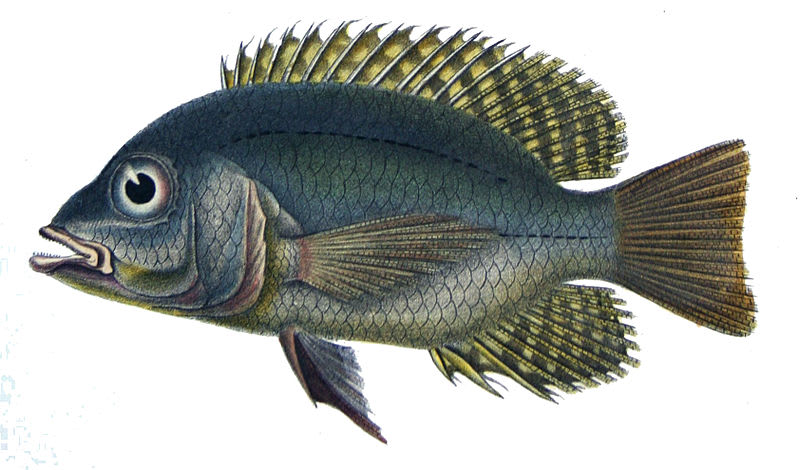
Overview
Satanoperca: from the Ancient Greek Σατάν (Satán), meaning ‘Satan’ (the devil), and πέρκη (pérkē), meaning ‘perch’. lilith: from the Hebrew Lilith, the name given to Adam’s first wife in Near Eastern folklore, or more generally a female demon in Europe and the Near East, in reference to this species’ close affinity to its congener S. daemon.
Taxonomy
- Kingdom
- Animalia
- Phylum
- Chordata
- Class
- Actinopterygii
- Order
- Cypriniformes
- Family
- Cichlidae
- Genus
- Satonoperca
- Species
- lilith
Habitat
Has been observed in black and clearwater main river channels, smaller tributaries, oxbows, and floodplain lakes, typically over substrates of sand or mud with patches of leaf litter and submerged tree branches.
Diet
Silver acara primarily eat small invertebrates like insects and crustaceans, as well as plant matter and occasionally small fish. They are opportunistic feeders, foraging during the day in shallow waters or over substrates. Feeding behavior includes picking food from the bottom or chasing prey in open water.
Behavior
Silver acara are territorial fish, particularly during breeding seasons when pairs defend nesting sites aggressively. They are diurnal, active during the day in schools or pairs, and exhibit parental care by guarding eggs and fry. This species is known for its curiosity, often investigating objects in their environment, and can be somewhat aggressive towards intruders in their territory.
Fishing
This is more of an aquarium fish and is not targeted for fishing.
Conservation Status
Listed as Not Evaluated by IUCN.