
Taxonomy
- Kingdom
- Animalia
- Phylum
- Chordata
- Class
- Chondrichthyes
- Order
- Carcharhiniformes
- Family
- Carcharhinidae
- Genus
- Negaprion
- Species
- acutidens
Habitat
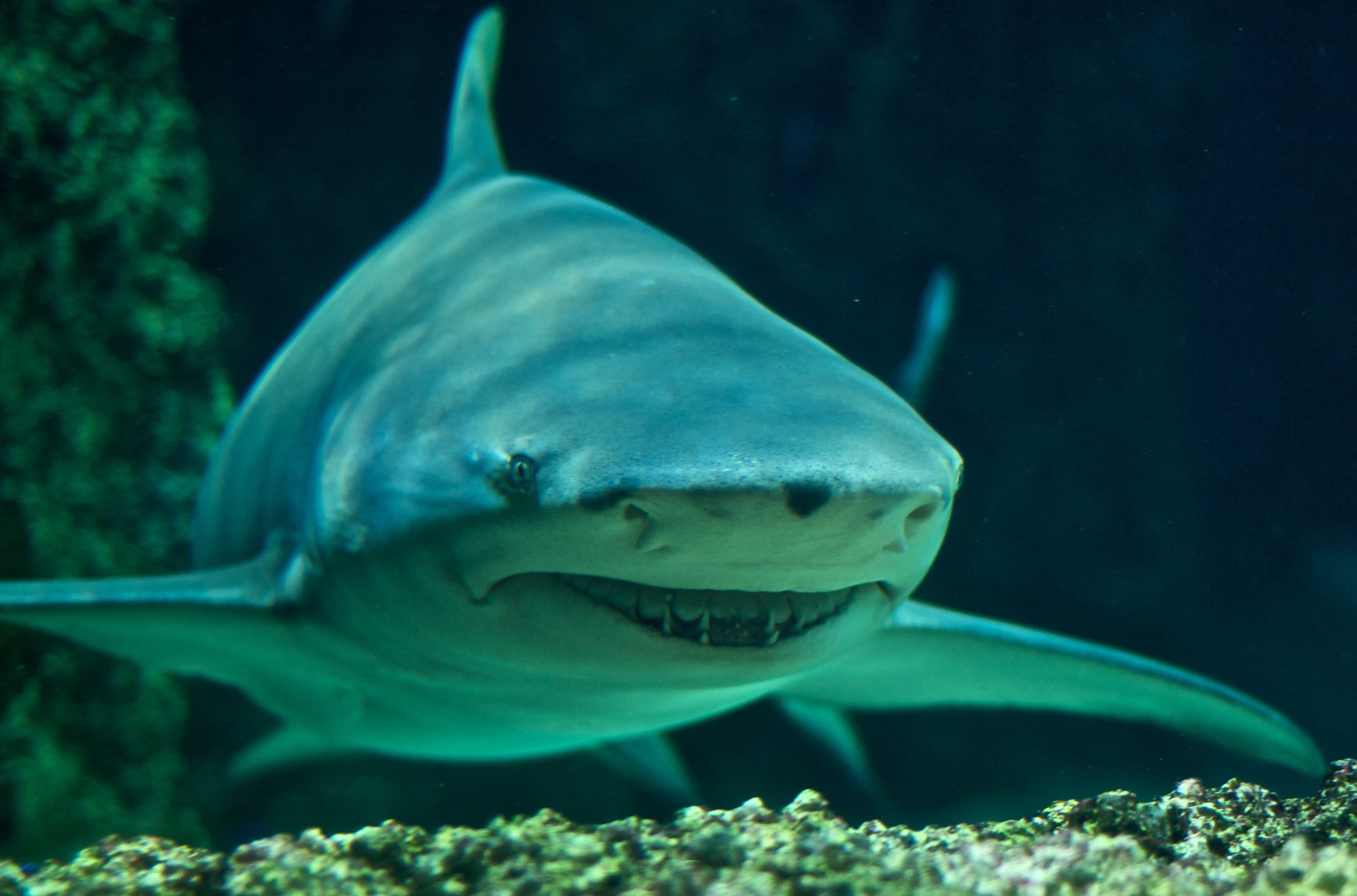
This species inhabits shallow coastal waters, including coral reefs, mangroves, and estuaries in the tropical Indo-Pacific region. It prefers warm waters with temperatures around 24-30°C and is often found near the ocean floor at depths up to 90 meters. Geographic preferences include areas with abundant structure like reefs for shelter and hunting.
Diet
Sicklefin lemon sharks primarily feed on bony fish such as mullets and parrotfish, as well as crustaceans like crabs and shrimp. They are opportunistic predators that hunt at dusk and dawn, using ambush tactics in shallow waters. Feeding behavior includes scavenging when opportunities arise, though they mainly rely on active pursuit.
Behavior
Sicklefin lemon sharks are typically solitary or form loose aggregations, especially in areas with high food availability, and are more active at night. They exhibit territorial behavior around favored reef habitats, defending feeding grounds from intruders. These sharks are curious and may investigate divers but are generally not aggressive unless provoked. They have a strong homing ability, returning to specific areas after foraging trips.
Conservation Status
Listed as Vulnerable by IUCN.