
Taxonomy
- Kingdom
- Animalia
- Phylum
- Chordata
- Class
- Actinopterygii
- Order
- Cichliformes
- Family
- Carangidae
- Genus
- Seriola
- Species
- hippos
Habitat
Samson fish primarily inhabit coastal and offshore waters of the Indo-Pacific, including reefs, rocky areas, and open pelagic zones. They prefer depths from 10 to 100 meters around structures like drop-offs and wrecks, and are commonly found in warmer temperate to tropical regions such as Australia and New Zealand.
Diet
Samson fish are carnivorous predators that feed mainly on smaller fish like mackerel and sardines, as well as squid and crustaceans. They hunt by ambushing prey in schools or individually, often during daylight hours when they are most active. Feeding behavior includes high-speed chases in open water.
Behavior
Samson fish are often solitary but can form schools, especially when hunting or migrating. They are diurnal, actively swimming and patrolling territories around reefs and structures, and exhibit aggressive behavior when competing for food. They are known for their powerful bursts of speed and migratory patterns following prey or seasonal changes.
Fishing
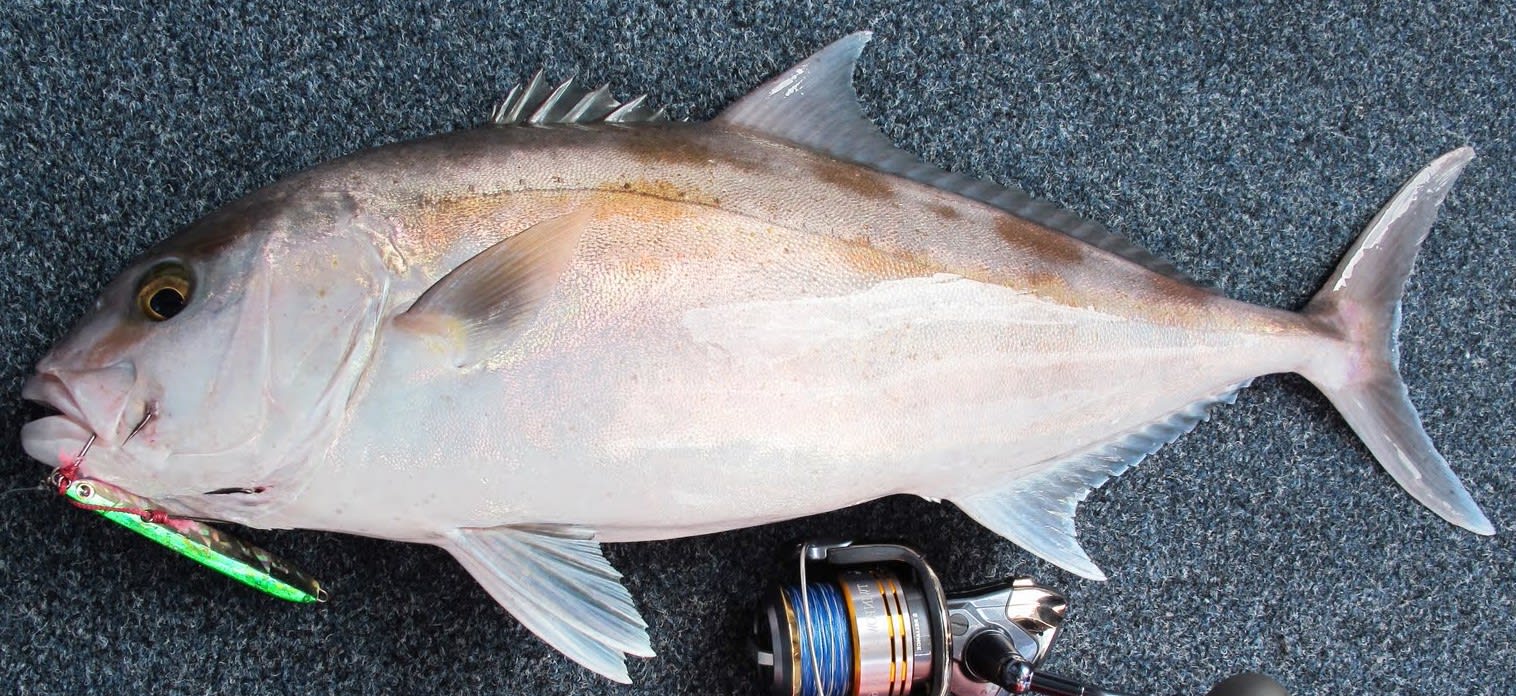
Samson fish, a hard-fighting sport fish in the Indo-Pacific waters around Australia, New Zealand, and places like Cape Naturaliste and Norfolk Island, are best targeted using techniques like trolling with lures, vertical jigging, or live baiting to mimic their natural prey such as mackerel, sardines, squid, and crustaceans; opt for heavy-duty tackle including a sturdy rod with 30-50 lb test line and a strong reel to handle their powerful runs and sizes up to 80 lbs 7 oz, ensuring you can fight and land them without excessive stress. For bait and lures, use live or dead baitfish, metal jigs, or brightly colored trolling lures to attract their aggressive strikes in open water. The best seasons are spring and summer when they are more active and spawning, with peak fishing times during daylight hours when they hunt in schools or solitarily around reefs, rocky areas, drop-offs, and wrecks in depths of 10 to 100 meters—focus on these structured habitats for the highest success. The IGFA all-tackle world record stands at 101 pounds 8 ounces, caught off New Zealand, highlighting their impressive potential. As a species listed as Least Concern by the IUCN, Samson fish benefit from angler-funded conservation efforts, including catch-and-release practices and regulated seasons that maintain healthy populations and support habitat restoration through fishing license fees, ensuring sustainable fishing as a key tool for aquatic conservation.
Conservation Status
Listed as Least Concern by IUCN.