
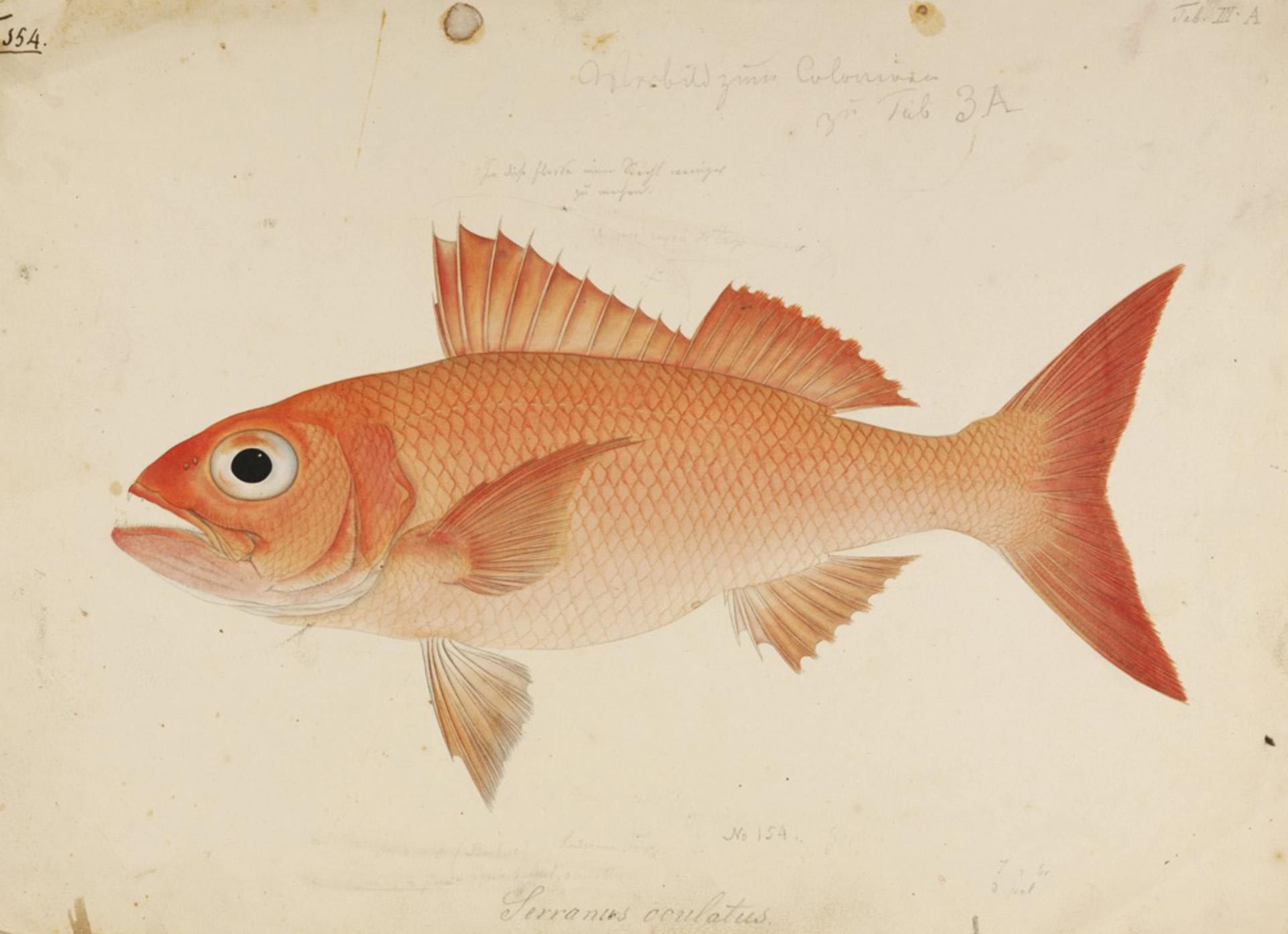
Taxonomy
- Kingdom
- Animalia
- Phylum
- Chordata
- Class
- Actinopterygii
- Order
- Perciformes
- Family
- Lutjanidae
- Genus
- Etelis
- Species
- carbunculus
Habitat
Ruby snappers inhabit deep waters of the Indo-Pacific, typically around coral reefs, rocky outcrops, and steep slopes at depths of 50 to 400 meters. They prefer areas with strong currents and structure for ambush feeding, and are commonly found in the Western and Central Pacific Oceans.
Diet
Ruby snappers primarily feed on smaller fishes, squid, and crustaceans, using their sharp teeth to capture prey. They are nocturnal hunters, actively foraging at night in deeper waters, and may also scavenge opportunistically.
Behavior
Ruby snappers are generally solitary or found in small groups, exhibiting territorial behavior around feeding sites. They are nocturnal, spending daylight hours in deeper waters and becoming more active at dusk. These fish are known for their cautious nature, making them challenging to approach.
Fishing
Anglers targeting the Ruby snapper, a highly regarded sport fish in the Indo-Pacific regions like the Western Central Pacific Ocean, should focus on deep-water bottom fishing or deep dropping techniques to effectively reach their habitats at depths of 50-400 meters around coral reefs, rocky outcrops, and steep slopes with strong currents. Use heavy-duty tackle, including stout rods with 50-80 lb test line, high-capacity reels for deep deployments, and circle hooks to minimize injury during catch-and-release; effective baits and lures include live fish, squid, or crustaceans, as well as metal jigs and large artificial lures that mimic their nocturnal prey. The best seasons are the warmer months like summer when spawning aggregations occur, with peak activity at night, making dusk and nighttime the optimal times for successful outings. In these areas, target structured habitats to ambush feeding zones, helping sustain populations through regulated angling. The IGFA all-tackle world record for Ruby snapper is 67 pounds, underscoring their impressive size potential. As a species listed as Least Concern by the IUCN, Ruby snappers benefit from angler-funded conservation efforts, such as license fees that support marine habitat restoration and slot limits as effective tools for maintaining stable populations and promoting catch-and-release practices to ensure long-term fishery health.
Conservation Status
Listed as Least Concern by IUCN.