
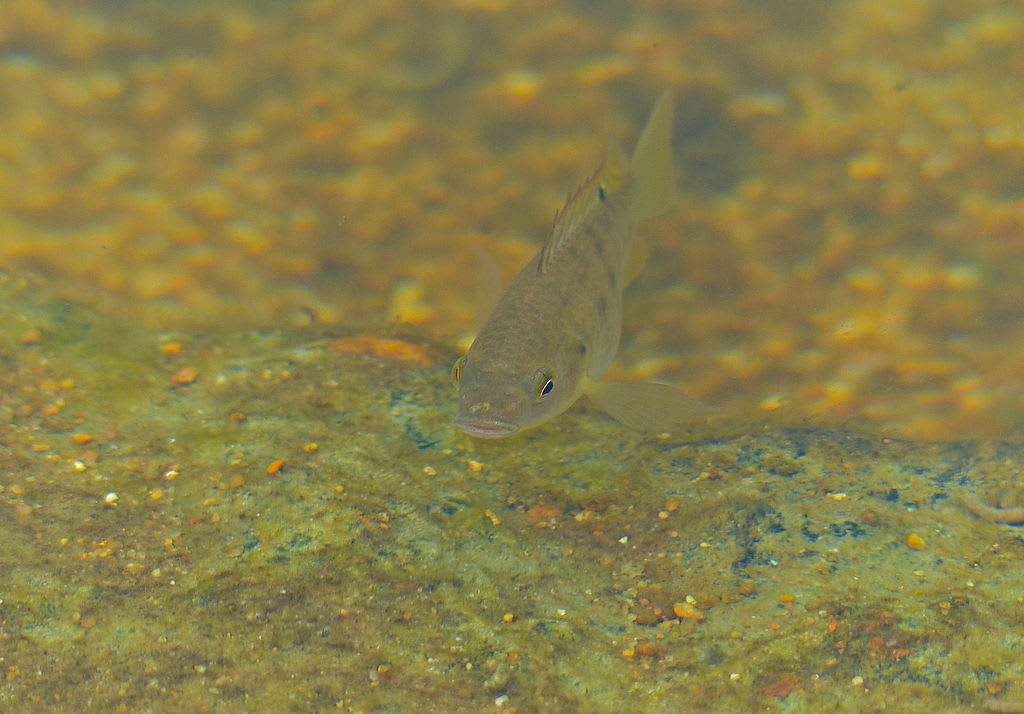
Taxonomy
- Kingdom
- Animalia
- Phylum
- Chordata
- Class
- Actinopterygii
- Order
- Esociformes
- Family
- Cichlidae
- Genus
- Tilapia
- Species
- rendalli
Habitat
Redbreast tilapia primarily inhabit freshwater environments such as rivers, lakes, and ponds in sub-Saharan Africa, favoring warm, slow-moving waters with abundant vegetation. They are often found in shallow areas with muddy substrates and can tolerate a wide range of water conditions. This species has been introduced to regions like the United States and Hawaiian Islands, where it adapts to similar warm, freshwater habitats.
Diet
Redbreast tilapia are omnivorous, feeding on aquatic plants, algae, insects, and small invertebrates like snails and crustaceans. They forage primarily during the day, often grazing on the bottom or among vegetation, and may switch to more animal-based foods when plant matter is scarce. In introduced areas, they sometimes consume detritus and smaller fish.
Behavior
Redbreast tilapia are territorial, particularly males who defend nesting sites aggressively during breeding. They are diurnal, forming small schools or pairs in non-breeding periods, and exhibit parental care by mouthbrooding eggs and fry. This species is adaptable and can become invasive in new environments due to its aggressive feeding and reproductive behaviors.
Fishing
Anglers targeting Redbreast tilapia, a hardy species introduced to places like the United States and Hawaiian Islands, can enjoy this fish as both a sport and food option, supporting conservation through license fees that fund habitat restoration and invasive species management. Use effective techniques like bottom fishing or light spinning with small hooks to entice these omnivorous fish in shallow, vegetated waters of lakes, rivers, and ponds; cast near structures such as weeds or submerged logs for the best results. Opt for light to medium tackle, including a 6- to 10-foot rod with 6-12 pound test line, a basic spinning reel, and size 1-6 hooks to handle their feisty fights up to 3 pounds 9 ounces. Effective baits and lures include live options like worms, insects, or small crustaceans, as well as artificial lures such as jigs or soft plastics that mimic their natural diet of plants and invertebrates. The best seasons are during warmer months from spring through fall when water temperatures exceed 70°F, with prime fishing times in the early morning or late afternoon when they are most active foraging. Target habitats in slow-moving, freshwater environments with muddy substrates and abundant vegetation, particularly in sub-Saharan Africa or introduced areas, to increase your catch rates while adhering to local regulations that promote sustainable populations, such as size or bag limits, which are key management tools ensuring healthy ecosystems and preventing overpopulation in non-native regions. While specific IGFA records for Redbreast tilapia are not prominent, the species' maximum size of around 40 cm underscores its appeal, and practicing catch-and-release helps maintain stable populations, as supported by angler-funded programs that protect waterways and biodiversity.
Conservation Status
Listed as Least Concern by IUCN.