
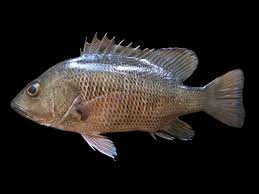
Taxonomy
- Kingdom
- Animalia
- Phylum
- Chordata
- Class
- Actinopterygii
- Order
- Perciformes
- Family
- Lutjanidae
- Genus
- Lutjanus
- Species
- argentimaculatus
Habitat
Mangrove jacks inhabit coastal marine and brackish waters, including mangroves, estuaries, and coral reefs in the Indo-Pacific region. They prefer areas with structures like roots, rocks, and reefs for shelter, typically in shallow waters up to 50 meters deep.
Diet
Mangrove jacks primarily feed on fish, crustaceans, and mollusks, using ambush tactics to capture prey. They are opportunistic predators, often hunting at dawn, dusk, or night in shallow coastal areas.
Behavior
Mangrove jacks are solitary or form small groups and are highly territorial, defending feeding and breeding areas aggressively. They are primarily nocturnal hunters, remaining hidden during the day in structures like mangroves or reefs, and can exhibit bursts of speed when pursuing prey.
Fishing
Mangrove jacks, a popular sport fish in the Indo-Pacific regions, play a key role in aquatic conservation by generating funds through fishing licenses that support habitat restoration and population monitoring. Target them using effective techniques like bottom fishing, trolling, or jigging around structures such as mangroves, reefs, and rocky areas in shallow coastal waters up to 50 meters deep, where they ambush prey. Use medium-heavy rods with 20-50 lb test lines, strong reels with good drag systems, and hooks sized 2/0 to 5/0 for reliable hooksets; effective baits and lures include live shrimp, pilchards, or artificial options like jigs and soft plastics that imitate fish and crustaceans. The prime season is during warmer months when spawning occurs, with the best bites at dawn, dusk, or night when they are most active as nocturnal hunters. In areas like Australia and the Western Pacific, focus on estuaries and coral reefs for higher success rates. The IGFA all-tackle world record is 41 pounds, but notable catches reach up to 25 pounds 9 ounces, underscoring their fighting spirit. Conservation measures, such as slot limits and catch-and-release practices in certain regions, are proven tools for maintaining healthy populations, with angler-funded programs ensuring the protection of these essential habitats.
Conservation Status
Listed as Least Concern by IUCN.