
Taxonomy
- Kingdom
- Animalia
- Phylum
- Chordata
- Class
- Actinopterygii
- Order
- Perciformes
- Family
- Merlucciidae
- Genus
- Urophycis
- Species
- chuss
Habitat
Red hake primarily inhabit the continental shelf in the Northwest Atlantic Ocean, from Nova Scotia to North Carolina, at depths of 10 to 300 meters. They prefer sandy or muddy bottoms, often near wrecks or structures, where they can burrow for cover.
Diet
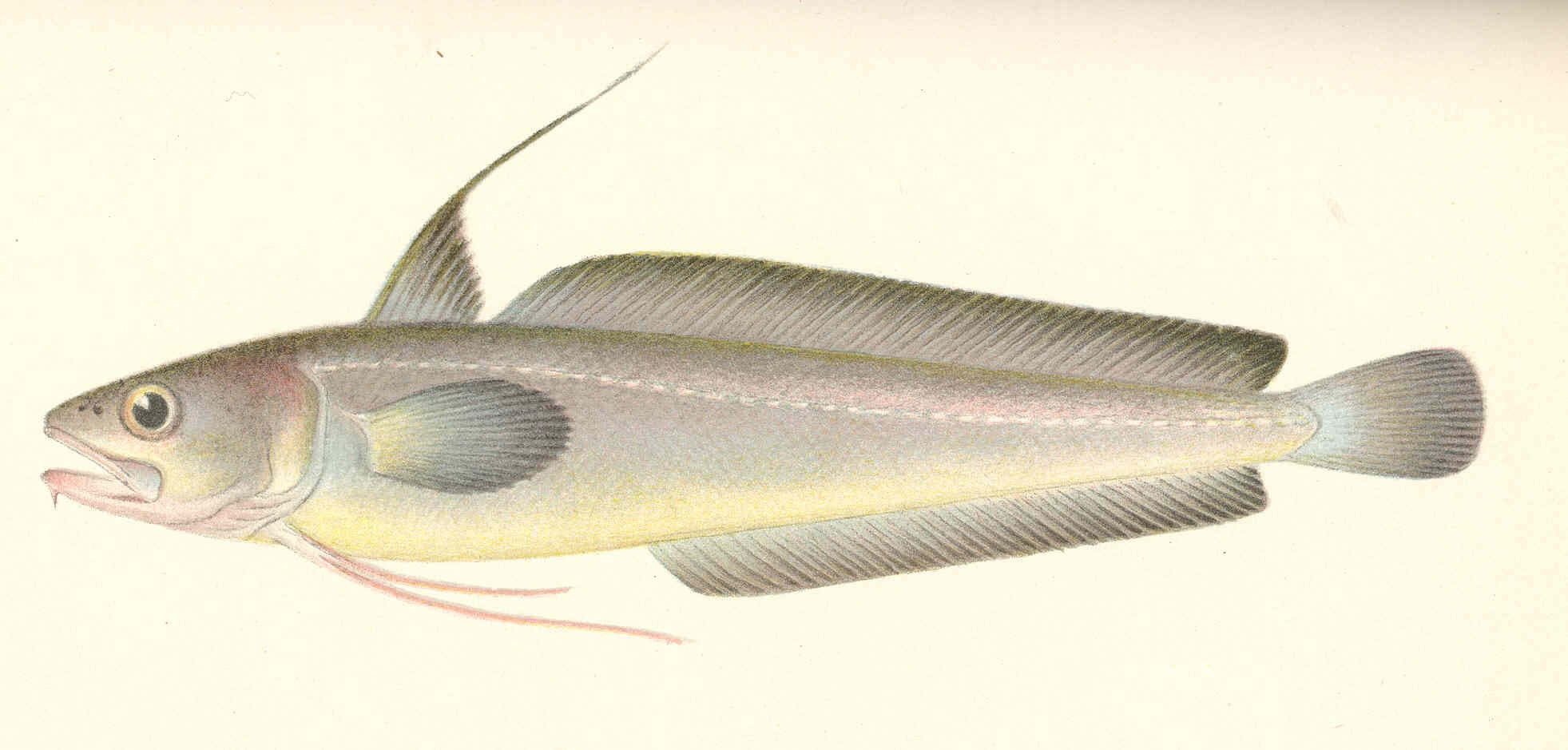
Red hake are carnivorous, feeding mainly on small fish, shrimp, crabs, and other benthic invertebrates. They hunt by ambushing prey on the ocean floor, typically at night or in low-light conditions. Feeding behavior involves using their chin barbel to detect food in the sediment.
Behavior
Red hake are bottom-dwelling fish that spend most of their time near or buried in the sediment for protection. They are generally solitary and not highly territorial, though they may form loose aggregations in favorable habitats. These fish are more active at night, using their senses to forage effectively in low visibility.
Fishing
Red hake offer solid recreational fishing opportunities in the Northwest Atlantic, from Nova Scotia to North Carolina, supporting conservation through angler license fees that fund habitat restoration and population monitoring. Use effective bottom fishing techniques like dropping baited rigs to the ocean floor, focusing on sandy or muddy substrates near wrecks and structures at depths of 10 to 300 meters, where these fish burrow for cover. Opt for light to medium tackle, such as a 6- to 8-foot rod with 20-30 pound test line, a sturdy reel, and a sinker to hold bottom, paired with size 1/0 to 3/0 hooks; bait them with shrimp, crabs, or small fish to match their carnivorous diet, or try jigs for a more active presentation. The prime seasons are spring through summer during their spawning period, with the best bites occurring at night or in low-light conditions when they're most active. Anglers can target these fish from boats in offshore waters, helping sustain stable populations through responsible practices like catch-and-release for undersized individuals, which aligns with broader conservation efforts. Record sizes include fish up to 12 pounds 13 ounces and 1 meter in length, with no specific IGFA all-tackle record noted, emphasizing the importance of adhering to local regulations to ensure long-term fishery health.
Conservation Status
Listed as Not Evaluated by IUCN.