
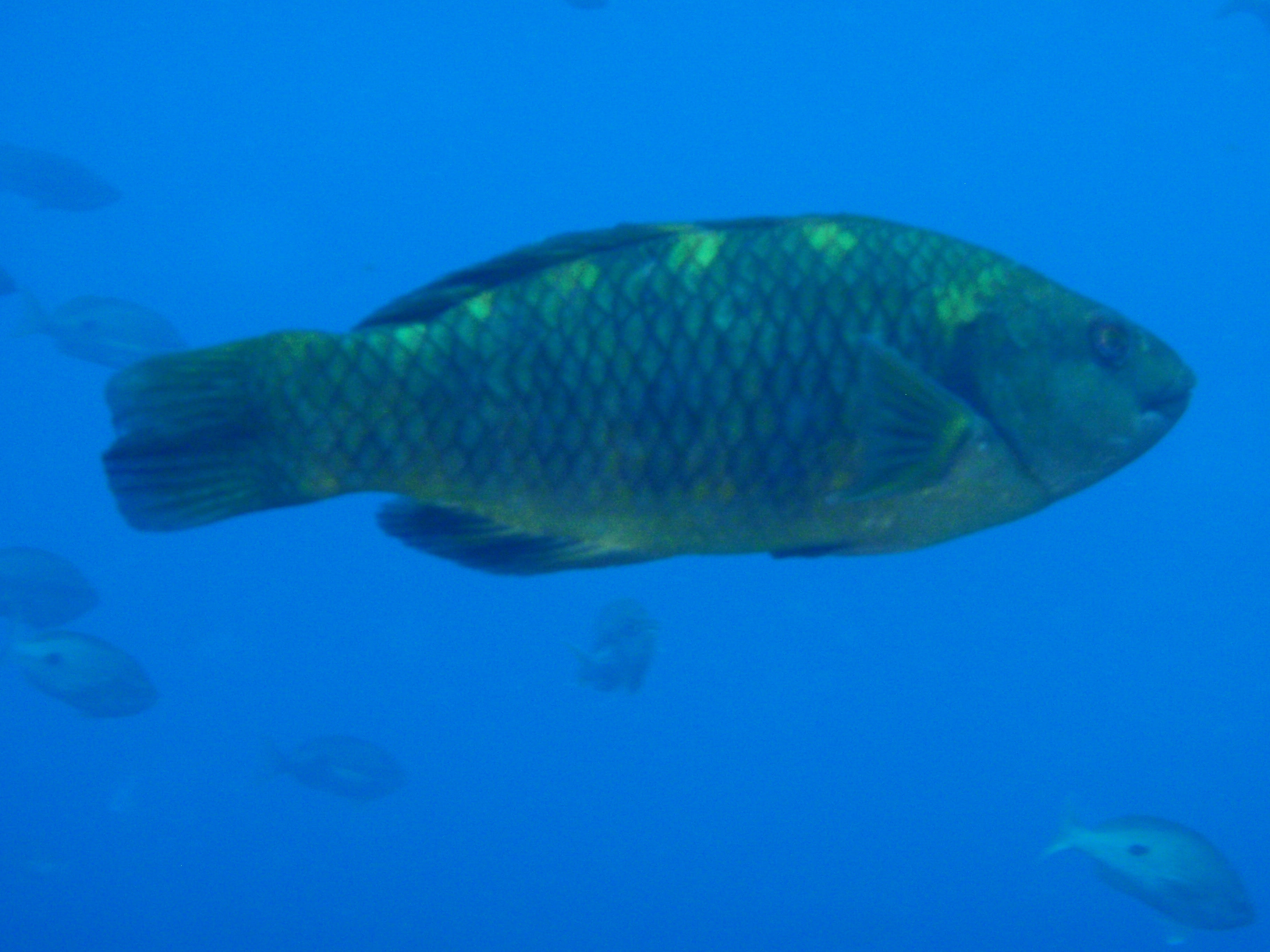
Taxonomy
- Kingdom
- Animalia
- Phylum
- Chordata
- Class
- Actinopterygii
- Order
- Perciformes
- Family
- Labridae
- Genus
- Notolabrus
- Species
- fucicola
Habitat
Purple wrasses primarily inhabit rocky reefs and coastal waters in temperate regions of the southern hemisphere, such as around Australia and New Zealand. They prefer areas with seaweed cover and shelter, typically in depths from shallow intertidal zones down to about 50 meters. These environments provide ample hiding spots and food sources.
Diet
Purple wrasses mainly feed on small crustaceans, mollusks, and echinoderms like sea urchins. They forage actively during the day, using their strong teeth to crush shells, and often hunt in rocky crevices. They may also consume small fish and worms when available.
Behavior
Purple wrasses are diurnal and typically solitary or found in small groups, often defending territories around reefs. They exhibit territorial aggression, especially males during breeding, and are known for their curious nature when approaching divers. These fish are agile swimmers, using the reef structure for cover and ambush predation.
Fishing
As a vibrant and accessible sport fish in the southern hemisphere, the purple wrasse (Notolabrus fucicola) offers anglers a rewarding challenge that supports marine conservation through license fees and habitat protection programs in Australia and New Zealand. Target them using bottom fishing techniques or light jigging around rocky reefs and seaweed-covered areas in depths of 5 to 50 meters, where they hide and ambush prey; cast near structures and use a slow retrieve to mimic their natural forage. For tackle, opt for a light to medium spinning rod with a 6- to 8-foot length, paired with a reel spooled in 10- to 20-pound test line, and a size 1/0 to 2/0 hook on a simple rig to handle their strong runs. Effective baits include fresh crustaceans like crabs or prawns, mollusks, or worms, while lures such as small jigs or soft plastics that imitate small fish or invertebrates work well for a more active approach. The best season is summer when they spawn and are more active, with prime fishing times during daylight hours, especially early morning or late afternoon when they forage aggressively. In regions like New Zealand, focus on areas such as the coasts of Stewart Island or around Tasmania in Australia for consistent catches, where slot limits and bag restrictions—such as those enforcing a minimum size of 30 cm and a daily limit of 2-5 fish—serve as effective management tools to maintain healthy populations and ensure sustainable fishing. Anglers contribute to conservation through excise taxes on gear that fund waterway restoration, and catch-and-release practices are encouraged for undersized fish to support stable populations, as indicated by their IUCN Least Concern status; the IGFA all-tackle record stands at approximately 2 pounds 9 ounces, reflecting the species' typical size potential.
Conservation Status
Listed as Least Concern by IUCN.