
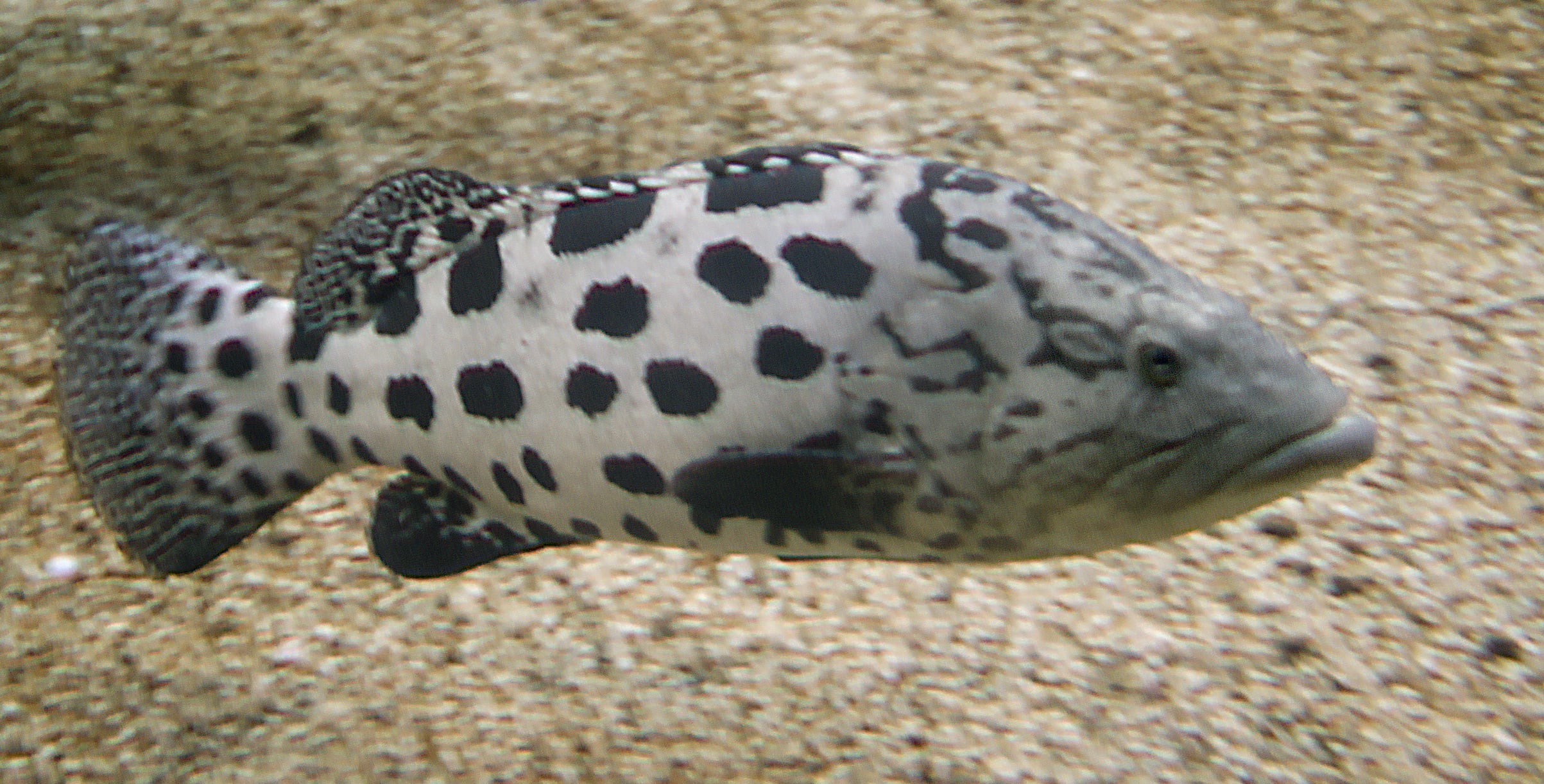
Taxonomy
- Kingdom
- Animalia
- Phylum
- Chordata
- Class
- Actinopterygii
- Order
- Scorpaeniformes
- Family
- Serranidae
- Genus
- Epinephelus
- Species
- tukula
Habitat
Potato groupers inhabit coral reefs, rocky substrates, and lagoon areas in tropical and subtropical waters. They prefer depths from 10 to 150 meters, often found around drop-offs, caves, and shipwrecks in the Indo-Pacific region. These environments provide ample hiding spots and hunting grounds.
Diet
Potato groupers primarily feed on fish such as snappers and wrasses, as well as crustaceans like crabs and shrimp, and occasionally octopuses. They are ambush predators that hunt during the day, using their size and strength to capture prey in coral reef environments. Feeding behavior involves lying in wait and making sudden strikes.
Behavior
Potato groupers are solitary and territorial, often claiming specific areas of the reef as their own and defending them aggressively. They are generally active during the day, resting in caves or under ledges at night, and exhibit curious behavior towards divers. These fish can change color slightly for camouflage or communication and are known to form temporary spawning aggregations.
Fishing
Targeting the Potato grouper, a prized sport fish in the Indo-Pacific, demands heavy-tackle bottom fishing or trolling techniques to handle their powerful runs and size; use sturdy rods with 50-80 pound test lines, large circle hooks, and robust reels to manage depths up to 150 meters around coral reefs and drop-offs. Opt for live baits like snappers, crabs, or shrimp, or effective lures such as large jigs and diving plugs that mimic their natural prey of fish and crustaceans for the best strikes. The prime season runs from December to March during spawning aggregations, with daytime hours being most productive when these solitary predators are actively hunting; focus on habitats like coral reefs, caves, shipwrecks, and rocky substrates in regions such as the Indian Ocean, Red Sea, or Western Pacific for consistent success. The IGFA all-tackle world record stands at 171 pounds 10 ounces, caught in the Indian Ocean, showcasing the thrill of this species. Angler-funded programs, including license fees that support habitat restoration, ensure sustainable populations, with catch-and-release practices and local slot limits in areas like Okinawa acting as effective management tools to maintain healthy stocks and promote conservation through regulated fishing.
Conservation Status
Listed as Least Concern by IUCN.