
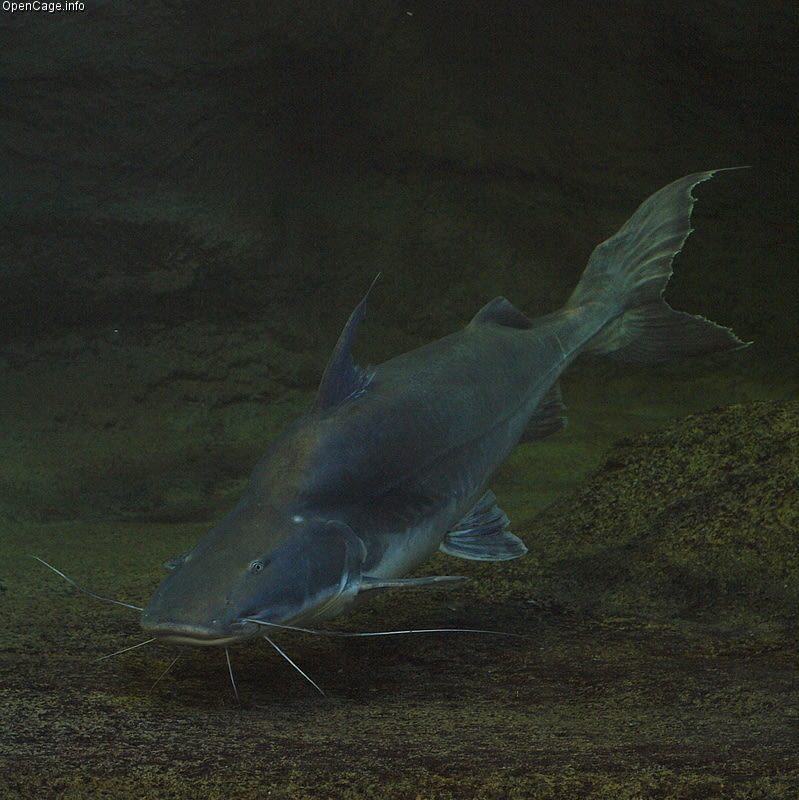
Taxonomy
- Kingdom
- Animalia
- Phylum
- Chordata
- Class
- Actinopterygii
- Order
- Siluriformes
- Family
- Serrasalmidae
- Genus
- Brachyplatystoma
- Species
- vaillantii
Habitat
The Piramutaba inhabits large river systems in South America, particularly the Amazon and Orinoco basins, favoring deep, fast-flowing waters with sandy or muddy substrates. It prefers areas with strong currents and migrates extensively through these river networks. These fish are often found in both main channels and tributaries.
Diet
Piramutaba primarily feeds on fish, crustaceans, and aquatic insects, using its barbels to detect prey in murky waters. It is a nocturnal predator, actively hunting at night when visibility is low. Feeding behavior involves ambushing prey in deeper river sections.
Behavior
Piramutaba are migratory fish that travel long distances upstream during the rainy season for spawning, often in large schools. They are primarily nocturnal, remaining inactive during the day and becoming active hunters at night. These fish exhibit territorial behavior around feeding areas but are generally solitary outside of migration periods.
Fishing
Anglers targeting the Piramutaba, a hard-fighting catfish in the Amazon and Orinoco river systems, should employ bottom fishing or drift fishing techniques using heavy tackle to handle their strength in fast-flowing currents; cast with stout rods rated for 20-50 pounds and reels with strong drag systems, paired with large hooks and leaders to withstand snags and bites. Use live bait like small fish or shrimp, or lures that imitate crustaceans and aquatic insects, as these mimic the Piramutaba's nocturnal diet. The best season is during the rainy months from November to March, coinciding with their spawning migrations, and target them at night when they are most active in deeper waters. Focus on main river channels, tributaries, and areas with sandy or muddy substrates for optimal results, as these habitats support their predatory behavior. The largest recorded Piramutaba reached about 11 pounds 1 ounce and up to 5 feet in length, highlighting the thrill of these catches. Conservation-wise, while the species is not yet evaluated by the IUCN, angler-funded programs in South America promote sustainable practices like catch-and-release and seasonal closures as effective tools to maintain healthy populations and protect vital river ecosystems through habitat restoration and regulated fishing.
Conservation Status
Listed as Not Evaluated by IUCN.