
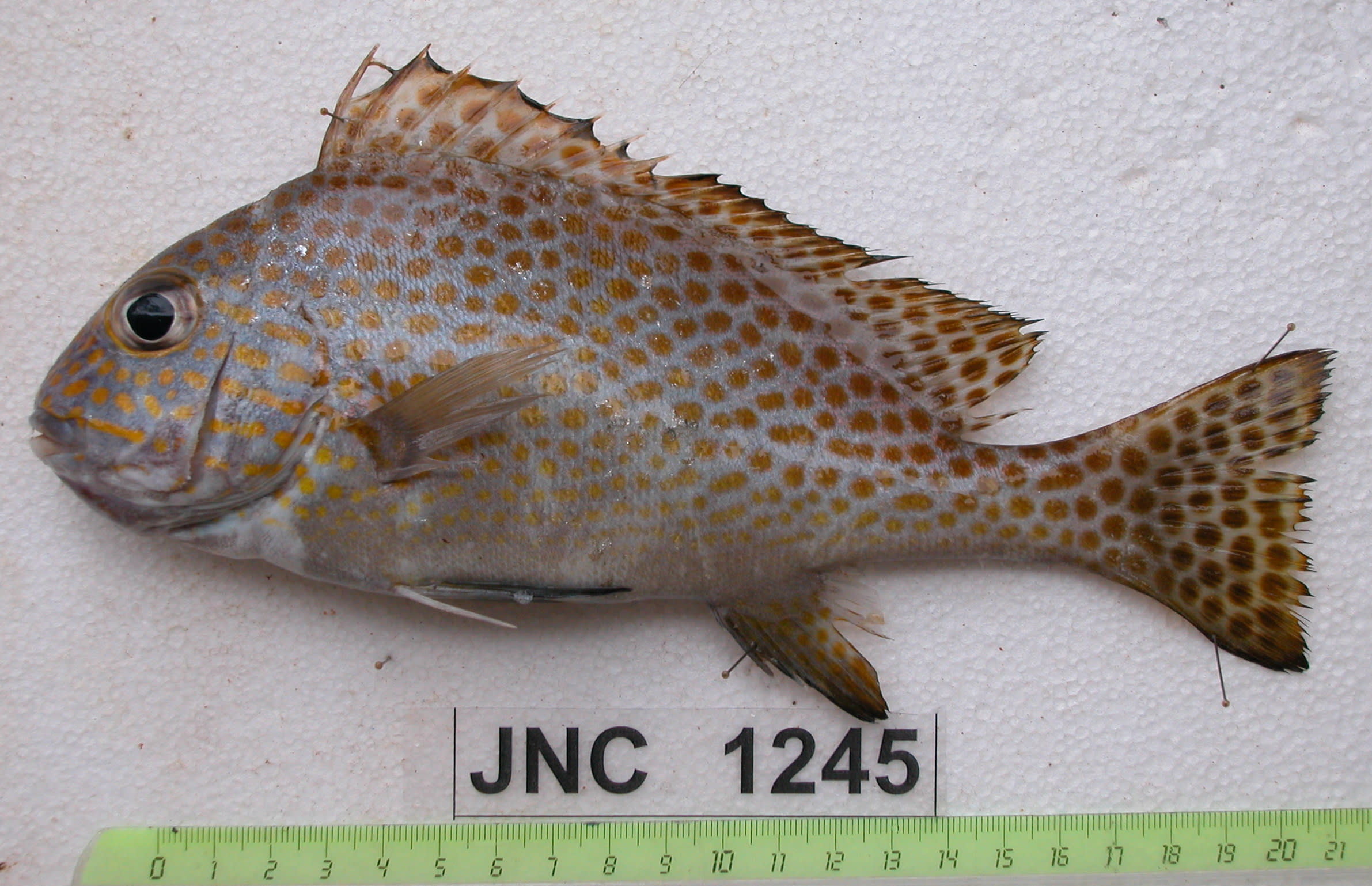
Taxonomy
- Kingdom
- Animalia
- Phylum
- Chordata
- Class
- Actinopterygii
- Order
- Perciformes
- Family
- Haemulidae
- Genus
- Diagramma
- Species
- pictum
Habitat
Painted sweetlips primarily inhabit coral reefs, lagoons, and seaward reefs in the Indo-Pacific region, from the Red Sea to New Caledonia. They prefer depths of 5 to 40 meters, often around rocky outcrops or coral structures for shelter. This species avoids very shallow or turbid waters.
Diet
Painted sweetlips feed mainly on small fish, crustaceans, and mollusks, which they hunt nocturnally. They use their strong jaws to crush shells and ambush prey from hiding spots in reefs. Feeding activity peaks at dusk and dawn when visibility is low.
Behavior
Painted sweetlips are generally solitary or found in small groups, with juveniles often schooling for protection. They are nocturnal, spending days hidden in reef crevices and becoming active at night to forage. This species exhibits color-changing abilities for camouflage, helping them evade predators.
Fishing
Anglers targeting painted sweetlips in the Indo-Pacific regions, such as the Red Sea, East Africa, and around New Caledonia, can use effective bottom fishing or drift fishing techniques with medium-weight tackle, including a 7-9 foot rod, 20-30 lb test monofilament line, and a reel with a strong drag system to handle reef structures and potential snags; bait them with live or dead shrimp, crabs, or small fish to imitate their nocturnal diet of crustaceans and mollusks. For lures, opt for jig heads or soft plastics that mimic prey, cast near coral reefs, lagoons, or seaward reefs at depths of 5-40 meters, focusing on rocky outcrops and coral shelters where they hide during the day. The best seasons are spring and summer when spawning occurs, with peak activity at dusk and night due to their nocturnal feeding habits, making evening trips highly productive. Record sizes include specimens up to 80 cm in length and 8 lbs 7 oz, supporting the IGFA's recognition of sweetlips as a challenging sport fish. Recreational fishing for painted sweetlips contributes to conservation through license fees and excise taxes that fund habitat restoration in coral ecosystems, promoting catch-and-release practices to maintain healthy populations and ensure sustainable angling traditions.
Conservation Status
Listed as Not Evaluated by IUCN.