
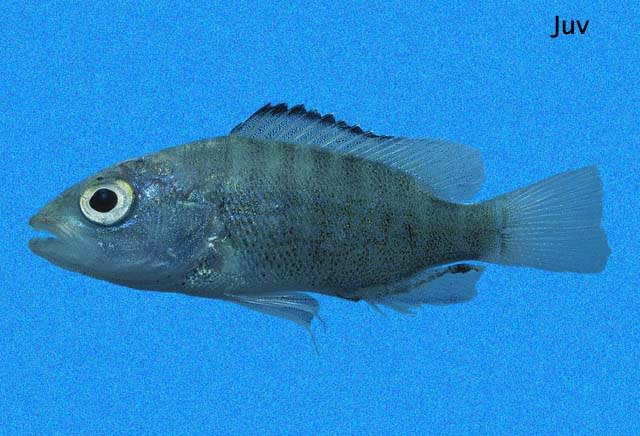
Taxonomy
- Kingdom
- Animalia
- Phylum
- Chordata
- Class
- Actinopterygii
- Order
- Perciformes
- Family
- Lutjanidae
- Genus
- Lutjanus
- Species
- novemfasciatus
Habitat
This species primarily inhabits rocky reefs, coral formations, and deep waters in the Eastern Pacific Ocean, from the Gulf of California to Peru. It prefers depths of 10 to 100 meters, often associating with structures like caves and ledges for shelter. Geographic preferences include warmer tropical and subtropical waters around islands and continental shelves.
Diet
Pacific cubera snappers are carnivorous, feeding mainly on smaller fish, crustaceans such as crabs and shrimp, and mollusks like squid. They exhibit opportunistic feeding behavior, often hunting at dusk or night in reef areas by ambushing prey. Their diet varies seasonally based on availability in their habitat.
Behavior
Pacific cubera snappers are typically solitary or form small groups, showing territorial behavior around feeding and resting sites. They are primarily nocturnal, spending daytime hidden in crevices and becoming active at night to hunt. These fish are known for their cautious nature, making them challenging to approach in the wild.
Fishing
Targeting the Pacific cubera snapper, a prized sport fish in the Eastern Pacific from the Gulf of California to Peru, delivers thrilling action on rocky reefs, coral formations, and deep waters between 10 to 100 meters, where these powerful predators lurk around caves and ledges; use bottom fishing or trolling techniques with heavy tackle, including a sturdy 7- to 8-foot rod, a conventional reel spooled with 50- to 80-pound test line, and strong leaders to handle their aggressive runs and sharp teeth, paired with effective baits like live shrimp, crabs, or small fish, or lures such as jigs and diving plugs that mimic their diet of crustaceans and baitfish for the best strikes. The prime season runs from spring to summer during spawning aggregations, with nighttime being optimal when these nocturnal fish are most active and feeding aggressively. Anglers should focus on warmer tropical waters around islands like the Galapagos or Cocos Islands, using GPS and fish finders to pinpoint structure-rich habitats, ensuring you're contributing to conservation by adhering to local regulations that promote sustainable populations through slot limits and catch-and-release practices, which are effective tools funded by fishing licenses to maintain stable stocks and protect these Least Concern species as per IUCN assessments. The IGFA all-tackle record stands at 78 pounds 12 ounces, caught off Mexico, highlighting the potential for record-breaking catches while supporting habitat restoration programs.
Conservation Status
Listed as Least Concern by IUCN.