
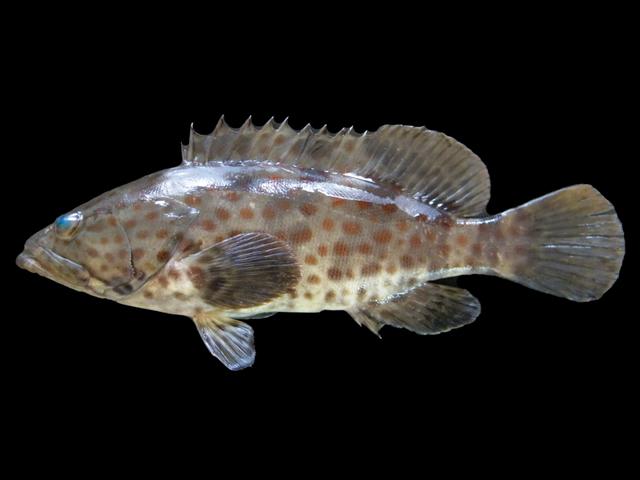
Taxonomy
- Kingdom
- Animalia
- Phylum
- Chordata
- Class
- Actinopterygii
- Order
- Scorpaeniformes
- Family
- Serranidae
- Genus
- Epinephelus
- Species
- coioides
Habitat
This species inhabits coral reefs, rocky substrates, and mangrove estuaries in the Indo-Pacific region, from the Red Sea to the Western Pacific. It prefers warm, tropical waters at depths ranging from 1 to 150 meters, often seeking sheltered areas for ambush hunting. Geographic preferences include coastal zones near Australia, Japan, and the Indian Ocean islands.
Diet
The Orange-spotted grouper primarily consumes small fish, crustaceans like crabs and shrimp, and cephalopods such as squid. It employs an ambush feeding strategy, hiding among corals and striking quickly at prey, often during dusk or night. Feeding behavior is opportunistic, adapting to available food sources in its reef environment.
Behavior
Orange-spotted groupers are generally solitary and territorial, aggressively defending their home ranges in coral reefs from intruders. They exhibit protogynous hermaphroditism, starting life as females and changing to males under certain conditions. These fish are mostly nocturnal or crepuscular, resting during the day and actively hunting at night, which helps them avoid predators.
Fishing
The Orange-spotted grouper is a highly regarded sport fish in the Indo-Pacific, where recreational fishing supports conservation through license fees that fund habitat protection and population monitoring. Use bottom fishing or trolling techniques with heavy tackle, including a robust rod and reel combo with 30-50 lb test line, strong circle hooks, and leaders to handle their powerful runs in structure-filled environments; effective baits and lures include live shrimp, squid, or small fish, as well as jigs and diving plugs that mimic their natural prey. The best seasons are during warmer months from spring to summer when spawning activity peaks, with optimal fishing times at dusk or night due to their nocturnal hunting habits. Target them in coral reefs, rocky substrates, and mangrove estuaries at depths of 1 to 150 meters in regions like the Indian Ocean, Australia, Japan, and the Western Pacific, focusing on sheltered ambush spots for the best results. The IGFA all-tackle record is 42 pounds 8 ounces, showcasing the species' impressive size potential. As a Near Threatened species, follow local regulations such as slot limits and catch-and-release practices, which are effective management tools that help sustain populations and are supported by angler-funded programs promoting waterway conservation and restoration.
Conservation Status
Listed as Near Threatened by IUCN.