
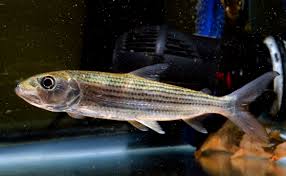
Taxonomy
- Kingdom
- Animalia
- Phylum
- Chordata
- Class
- Actinopterygii
- Order
- Cypriniformes
- Family
- Characidae
- Genus
- Hydrocynus
- Species
- brevis
Habitat
This species primarily inhabits freshwater rivers, lakes, and reservoirs in West and North Africa, preferring warm, flowing waters with rocky or sandy substrates. It is commonly found in the Nile River system, including areas like Lake Nasser and the Ghazal River, where it thrives in both slow-moving pools and faster currents. Geographic preferences include tropical and subtropical regions with abundant aquatic vegetation for cover.
Diet
The North African tigerfish feeds mainly on smaller fish such as minnows and cichlids, as well as insects, crustaceans, and occasionally frogs. It is an ambush predator that hunts during dawn and dusk, using its sharp teeth to seize prey in quick bursts. Feeding behavior includes patrolling river edges or open waters to detect movement.
Behavior
North African tigerfish are often solitary but may form loose schools in larger rivers, exhibiting aggressive territorial behavior when defending feeding areas. They are primarily diurnal, active during the day with bursts of speed to chase prey, and can leap out of water when hooked. Notable behaviors include leaping to escape predators and using vibrations to communicate in murky waters.
Fishing
The North African tigerfish is a premier sport fish in Africa's freshwater rivers and lakes, offering anglers an exhilarating challenge due to its aggressive strikes and acrobatic leaps, while supporting conservation through license fees that fund habitat protection in the Nile system. Target this species using fast-retrieve techniques like trolling with deep-diving lures or casting spoons and spinners that mimic small fish such as minnows, as it ambushes prey in flowing waters; fly fishing with streamers can also be effective for its surface activity. Opt for medium-heavy tackle, including 7-9 foot rods, reels with 20-30 lb test line, and strong, sharp hooks to handle its powerful fights, paired with baits like live minnows, shad, or artificial lures such as crankbaits and jigs for the best results. The prime season runs from June to September during the rainy period when fish are more active and migratory, with dawn and dusk being the optimal times for bites in warmer waters. Focus on habitats like the Nile River, Lake Nasser, and the Ghazal River system, where they inhabit rocky or sandy substrates with flowing currents and vegetation for cover—look for eddies and deeper pools for higher success. Specimens can reach up to 28 pounds 8 ounces, with the IGFA all-tackle record for tigerfish species highlighting their impressive size potential. Conservation efforts, including catch-and-release practices and slot limits in certain areas, are effective management tools that sustain populations, as angler-funded programs protect these waterways and support stocking initiatives for balanced ecosystems.
Conservation Status
Listed as Least Concern by IUCN.