
Overview
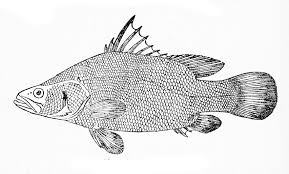
It looks very much like a larger version of the barramundi, in fact, they are close relatives in the Centropomidae Family. Adults Nile perch are generally brown to greenish brown above and silvery below. The top of the head is strongly depressed, as in the barramundi and its relative across the sea, the snook. It has a rounded (convex) tail.
Taxonomy
- Kingdom
- Animalia
- Phylum
- Chordata
- Class
- Chondrichthyes
- Order
- Lamniformes
- Family
- Centropomidae
- Genus
- Lates
- Species
- niloticus
Habitat
Endemic to the African continent, they can be found in rivers and lakes in tropical regions.
Diet
Nile perch are primarily piscivorous, feeding on smaller fish such as tilapia and haplochromine cichlids, as well as crustaceans and insects. Juveniles consume more invertebrates like zooplankton and insects, while adults are ambush predators that hunt at night in deeper waters. They use their large mouths to engulf prey whole.
Behavior
Nile perch are generally solitary and territorial, often establishing home ranges in deeper waters of lakes and rivers. They are primarily nocturnal, actively hunting at night and resting in submerged structures or deeper areas during the day. These fish exhibit aggressive behavior when defending territory or competing for food.
Fishing
Good fishing is well known below the Aswan Dam and at the junction of the Blue and White Niles. Fishing for Nile perch is best early or late in the day. Tigerfish and Tilapia are common baits. They are know for their long, and powerful, which always provides the angler with a good fight. They are an excellent and popular eating fish with a tasty white meat.
Conservation Status
Listed as Least Concern by IUCN.