
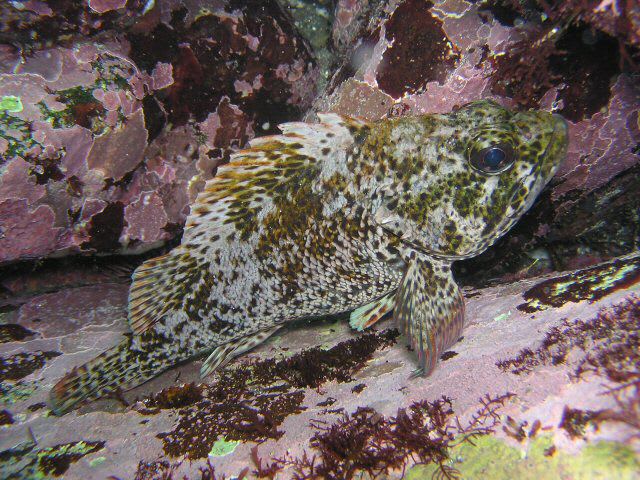
Taxonomy
- Kingdom
- Animalia
- Phylum
- Chordata
- Class
- Actinopterygii
- Order
- Salmoniformes
- Family
- Sebastidae
- Genus
- Sebastes
- Species
- pachycephalus
Habitat
This species inhabits rocky reefs and boulder-strewn areas in the Northwest Pacific Ocean, preferring depths of 50 to 300 meters. It is commonly found in cooler waters around Japan, the Korean Peninsula, and China, often hiding in crevices to avoid predators.
Diet
Murasoi primarily feeds on small fish, shrimp, and other crustaceans found in its rocky habitat. It hunts during the day, using ambush tactics from concealed positions among rocks. Feeding activity peaks in the morning and evening when prey is more abundant.
Behavior
Murasoi is generally solitary and territorial, defending small areas around rocky structures. It is most active during the day, spending nights hidden in crevices to avoid threats. This species exhibits schooling behavior only during spawning seasons, otherwise remaining reclusive.
Fishing
Target Murasoi, a popular rockfish in the Northwest Pacific, using effective bottom fishing techniques like jigging or baited hook setups to mimic its prey of small fish and shrimp; cast from boats in depths of 50 to 300 meters over rocky reefs and boulder-strewn areas around Japan, the Korean Peninsula, and China for the best results. Use sturdy tackle such as heavy spinning or conventional rods with 20-50 lb test line and reels capable of deep-water drops, paired with metal jigs, shrimp imitations, or live bait like small fish and crustaceans to entice strikes. The prime season runs from late winter through spring during spawning, with optimal fishing times in the morning and evening when the fish are most active; always check local regulations, which serve as vital management tools to maintain healthy populations. While specific IGFA records for Murasoi are not listed, anglers can aim for specimens up to 5 pounds 13 ounces, supporting conservation through license fees that fund habitat restoration and stocking programs in these waters.
Conservation Status
Listed as Not Evaluated by IUCN.