
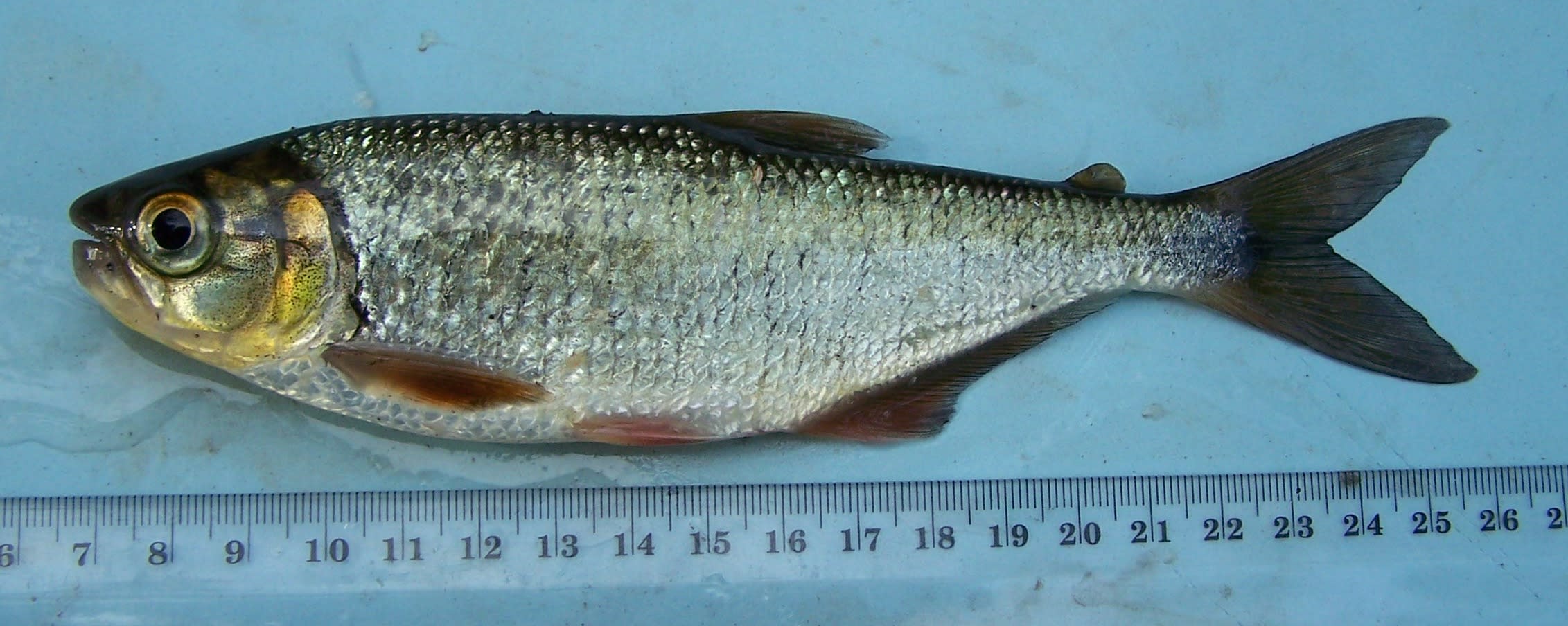
Taxonomy
- Kingdom
- Animalia
- Phylum
- Chordata
- Class
- Actinopterygii
- Order
- Cypriniformes
- Family
- Characidae
- Genus
- Brycon
- Species
- guatemalensis
Habitat
Machaca primarily inhabit fast-flowing rivers and streams in Central America, including areas like the Grijalva River in Mexico and the Choluteca River in Honduras. They prefer clear, oxygenated waters with rocky or gravel substrates and are often found in mid-level depths of these freshwater systems.
Diet
Machaca are omnivorous, feeding on insects, fruits, seeds, and smaller fish or crustaceans. They exhibit opportunistic feeding behavior, often foraging during the day in schools near the water surface or along riverbanks.
Behavior
Machaca are schooling fish that form groups for protection and feeding, making them highly social in open waters. They are diurnal, active during the day, and may display territorial aggression during spawning seasons. These fish are known for their swift swimming and evasive maneuvers when threatened.
Fishing
Anglers targeting the Machaca, a spirited fighter in Central America's fast-flowing rivers like the Grijalva in Mexico or Choluteca in Honduras, can rely on proven techniques such as casting lures or using live bait to mimic its diet of insects, fruits, and small fish, with fly fishing and spinning rods proving highly effective for its schooling behavior; use light to medium tackle including 6-8 foot rods with 8-12 lb test line, paired with small spinners, flies, or live bait like minnows to entice strikes in mid-level depths over rocky or gravel substrates. The best season runs from May to November during the rainy period when fish are more active and feeding aggressively, with prime times being early morning or late afternoon for better bites in clear, oxygenated waters; focus on areas with swift currents and riverbanks where schools congregate, enhancing your chances by wading or drifting from a boat. The IGFA all-tackle world record for Machaca stands at around 9 pounds 8 ounces, showcasing the thrill of landing these powerful fish that can reach up to 60 cm. Conservation-wise, while Machaca is not currently evaluated by the IUCN, angler-supported programs through license fees and habitat restoration efforts in Central America help maintain healthy populations by promoting catch-and-release practices and slot limits, ensuring sustainable fishing that funds waterway protection and counters threats like habitat loss.
Conservation Status
Listed as Not Evaluated by IUCN.