
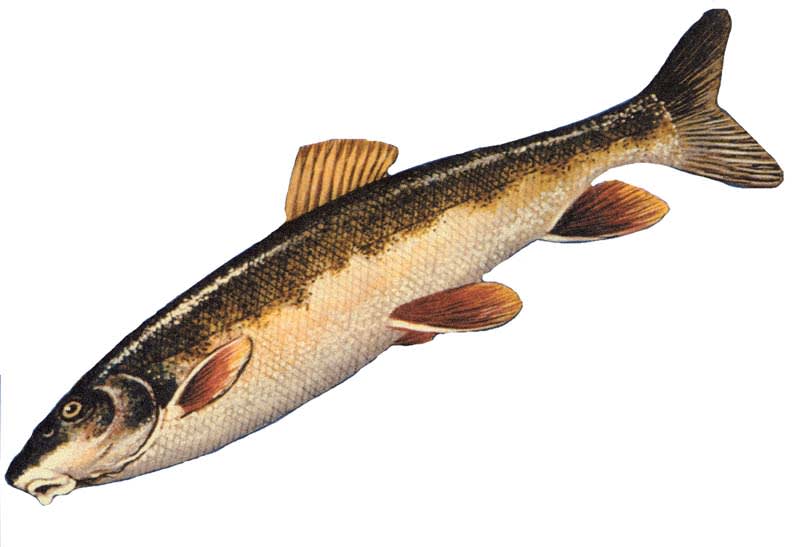
Taxonomy
- Kingdom
- Animalia
- Phylum
- Chordata
- Class
- Actinopterygii
- Order
- Cypriniformes
- Family
- Catostomidae
- Genus
- Catostomus
- Species
- catostomus
Habitat
Longnose suckers primarily inhabit clear, cold streams, rivers, and lakes in North America and parts of Asia. They prefer gravelly or rocky substrates with moderate currents, often found in both lotic and lentic freshwater environments. These fish avoid warm or polluted waters, thriving in well-oxygenated habitats.
Diet
Longnose suckers feed mainly on aquatic insects, crustaceans, algae, and detritus found on the river or lake bottom. They use their specialized mouth to suck up food particles, often grazing during daylight hours. Feeding behavior is opportunistic, adapting to available prey in their environment.
Behavior
Longnose suckers are generally solitary or form loose schools, especially during migration. They are diurnal, active during the day for feeding, and exhibit seasonal migrations to spawning grounds. These fish are not highly territorial but may compete for food resources in dense populations.
Conservation Status
Listed as Least Concern by IUCN.