
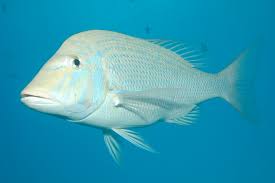
Taxonomy
- Kingdom
- Animalia
- Phylum
- Chordata
- Class
- Actinopterygii
- Order
- Perciformes
- Family
- Lethrinidae
- Genus
- Lethrinus
- Species
- olivaceus
Habitat
This species inhabits coral reefs, lagoons, and outer reef slopes in tropical and subtropical waters. It prefers depths from 10 to 100 meters with clear water and abundant structure for shelter. Geographically, it is found across the Indo-Pacific region, including areas like the Red Sea and Australia.
Diet
The Longface emperor primarily feeds on small fish, crustaceans, and mollusks. It hunts nocturnally, using its sharp eyesight to forage over reefs and crevices. Feeding activity peaks at night when it actively searches for prey hidden in coral structures.
Behavior
The Longface emperor is generally solitary or forms small loose groups, often resting in reef crevices during the day. It exhibits territorial behavior around feeding areas, chasing away intruders. This species is primarily nocturnal, becoming active at dusk to hunt, and it uses camouflage to avoid detection.
Fishing
The Longface emperor (Lethrinus olivaceus) is a prized sport fish in the Indo-Pacific region, including areas like the Red Sea, Australia, and coral reefs of East Africa and Polynesia, where it supports conservation through angler-funded programs that protect vital reef habitats. Employ bottom fishing or jigging techniques around coral reefs, lagoons, and outer reef slopes at depths of 10 to 100 meters, using medium-heavy rods with 20-50 lb test line, sturdy reels, and circle hooks to minimize injury during catch-and-release; effective baits include live crustaceans, small fish, or mollusks, while metal jigs or soft plastics mimicking prey work well for lures. The best season is during warmer months when spawning occurs, with peak activity at night due to its nocturnal feeding habits, making dusk to dawn the optimal time for targeting these solitary or small-group fish in clear, structured waters. Anglers can aim for impressive sizes, with fish reaching up to 22 pounds 13 ounces, and the IGFA all-tackle world record standing at 22 pounds 13 ounces caught in Australia—always check local regulations, such as slot limits or minimum sizes, which are effective tools for maintaining healthy populations and ensuring sustainable fishing practices that fund habitat restoration through license fees and excise taxes.
Conservation Status
Listed as Least Concern by IUCN.