
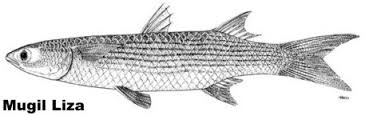
Taxonomy
- Kingdom
- Animalia
- Phylum
- Chordata
- Class
- Actinopterygii
- Order
- Perciformes
- Family
- Mugilidae
- Genus
- Mugil
- Species
- liza
Habitat
Liza mullet primarily inhabits coastal marine waters, estuaries, and sometimes freshwater rivers in the Western Atlantic. They prefer shallow, warm environments with sandy or muddy substrates, often found near shorelines and in brackish waters from Brazil to the southeastern United States.
Diet
Liza mullet feeds mainly on detritus, algae, and small invertebrates like diatoms and crustaceans. They are bottom feeders that sift through sediment using their specialized mouth, with feeding activity peaking during the day in shallow waters.
Behavior
Liza mullet are schooling fish that form large groups for protection and feeding efficiency. They are diurnal, active during the day, and exhibit seasonal migrations for spawning and accessing food sources, with minimal territorial behavior.
Fishing
Targeting Liza mullet, a popular inshore species that supports conservation through angler license fees funding habitat restoration in coastal areas, involves using light tackle and effective techniques like bottom fishing or fly fishing with small, natural baits to mimic their detritus and algae diet; opt for a 7-9 foot medium-light rod with 6-10 pound test line, paired with size 6-10 hooks and a simple Carolina rig for better presentation in shallow waters. Use baits such as bread balls, earthworms, or small shrimp to entice these bottom feeders, as they actively sift through sandy or muddy substrates during the day. The best season is summer through early fall in warmer months when they migrate to estuaries and coastal shallows in the Western Atlantic, from Brazil to the southeastern US, with peak activity in the morning and late afternoon for higher catch rates; focus on brackish waters near shorelines, tidal flats, and river mouths where they school for feeding and protection. Record sizes include the IGFA all-tackle world record for similar mullet species, but for Liza mullet, anglers commonly catch fish up to 3 pounds, emphasizing the importance of slot limits and catch-and-release practices in many regions as effective management tools that ensure sustainable populations and support stocking programs for enhanced fisheries.
Conservation Status
Listed as Data Deficient by IUCN.