
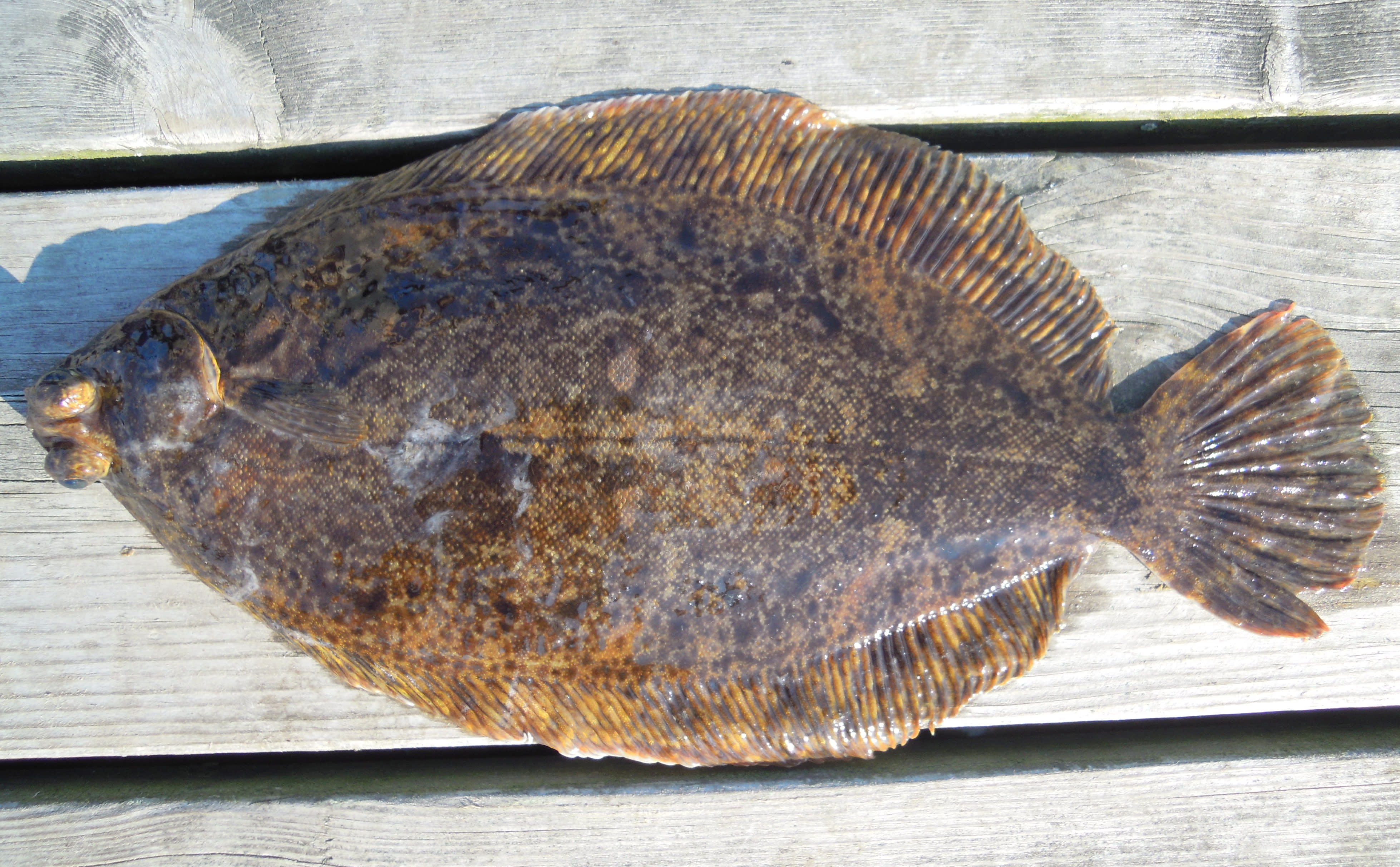
Taxonomy
- Kingdom
- Animalia
- Phylum
- Chordata
- Class
- Actinopterygii
- Order
- Perciformes
- Family
- Pleuronectidae
- Genus
- Microstomus
- Species
- kitt
Habitat
Lemon sole inhabits sandy or muddy seabeds in the Northeast Atlantic, from shallow coastal waters down to depths of about 200 meters. They prefer areas with soft substrates for burrowing and are commonly found around the coasts of Europe, including the North Sea and around Iceland.
Diet
Lemon sole primarily feeds on polychaete worms, small crustaceans like shrimp and crabs, and occasionally small fish or mollusks. They are bottom feeders that forage by lying in wait and ambushing prey, often active during the night or low light conditions. Feeding behavior includes burrowing into the sediment to hide and surprise their food sources.
Behavior
Lemon sole are solitary fish that spend most of their time buried in the sand or mud to avoid predators and ambush prey. They exhibit nocturnal activity patterns, emerging at night to feed, and are generally sedentary with minimal migration except for spawning. Territorial behavior is not strongly pronounced, but they may shift positions based on food availability or environmental changes.
Fishing
Lemon sole are a rewarding target for recreational anglers in the Northeast Atlantic, supporting conservation through license fees that fund habitat restoration and protect marine ecosystems. Best techniques involve bottom fishing with a paternoster or running ledger rig to present bait effectively on the seabed, focusing on steady retrieves to mimic natural prey movements. Use light to medium spinning rods (7-9 feet) with reels spooled in 10-20 lb monofilament or braided line, along with size 1-4 hooks and a 2-4 oz sinker to hold bottom in currents; soft baits like ragworms, shrimp, or small fish strips work best to imitate their diet of polychaetes and crustaceans. Prime seasons are spring and summer during spawning periods, with the best bites occurring at night or during low-light conditions when they are most active. Target lemon sole on sandy or muddy seabeds in shallow coastal waters down to 200 meters, particularly around the coasts of the UK, Norway, Iceland, and the North Sea, where they burrow for ambush feeding. Record sizes include fish up to 60 cm and 3 lbs 15 oz, with the IGFA all-tackle world record standing at 3 lbs 15 oz caught in UK waters. Conservation measures, such as minimum size limits and quotas in European waters, are effective tools for maintaining stable populations, as evidenced by their Least Concern IUCN status, and are supported by angler-funded programs that enhance waterway protection and promote sustainable fishing practices.
Conservation Status
Listed as Least Concern by IUCN.