
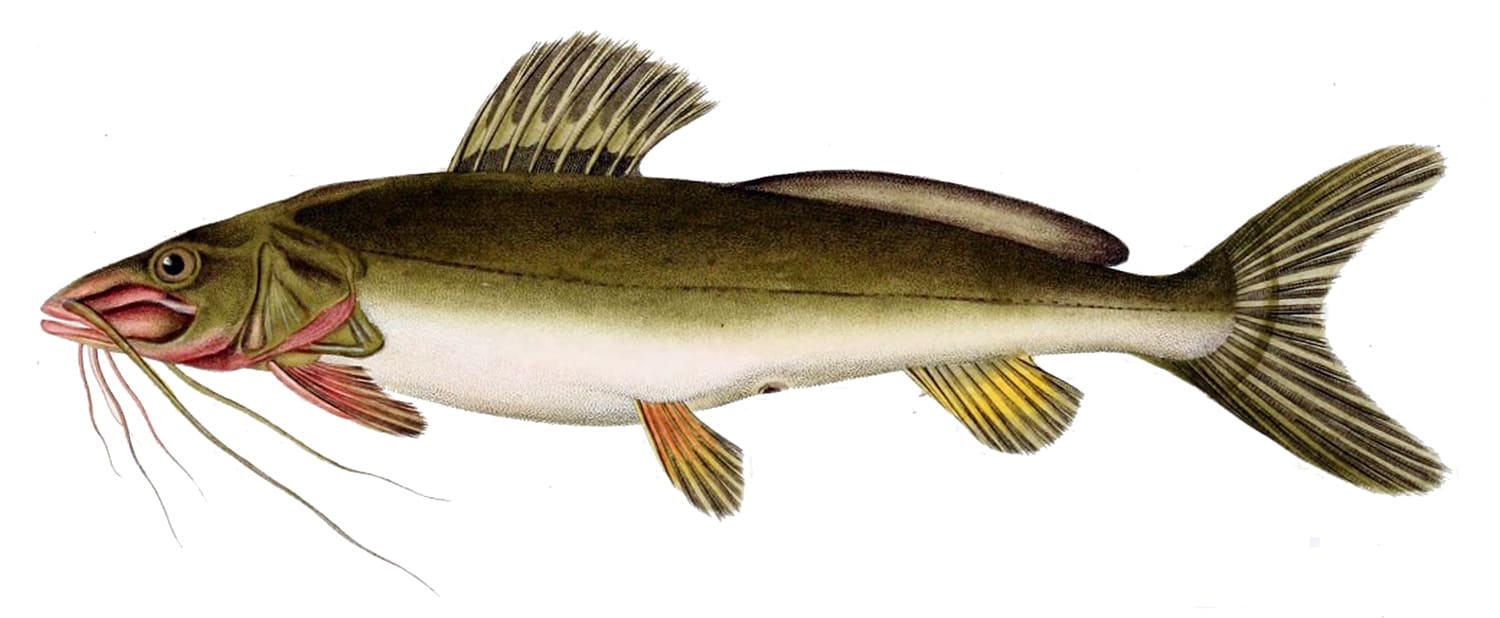
Taxonomy
- Kingdom
- Animalia
- Phylum
- Chordata
- Class
- Actinopterygii
- Order
- Perciformes
- Family
- Heptapteridae
- Genus
- Rhamdia
- Species
- quelen
Habitat
Jandia primarily inhabits freshwater rivers, streams, and lakes in tropical and subtropical regions of South and Central America. They prefer slow-moving waters with abundant vegetation, rocky substrates, or submerged logs for hiding. These fish are adaptable and can be found in both clear and turbid waters across a range of elevations.
Diet
Jandia are omnivorous, feeding on a variety of items including insects, crustaceans, small fish, and plant matter. They are primarily nocturnal feeders, using their barbels to forage along the bottom of rivers and lakes. During the day, they rest in sheltered areas to avoid predators.
Behavior
Jandia are mostly nocturnal, spending daylight hours hidden under rocks or in vegetation to avoid detection. They exhibit solitary behavior but may form loose schools in favorable conditions, and they are not particularly territorial except during spawning. These fish are adaptable and can tolerate a range of water conditions, making them resilient in changing environments.
Fishing
Anglers targeting Jandia (Rhamdia quelen) in the freshwater rivers, streams, and lakes of South and Central America, such as the Amazon, Orinoco, and La Plata basins, will find success with bottom fishing techniques using light to medium spinning or baitcasting tackle—opt for a 6-8 foot rod with 10-20 lb test line and size 1-4 hooks to handle their strong, nocturnal runs. Effective baits include nightcrawlers, live insects, small crustaceans, or cut bait mimicking their omnivorous diet, while lures like jigs or soft plastics worked along the bottom can also provoke strikes; fish these setups near submerged logs, rocky substrates, or areas with abundant vegetation where Jandia hide during the day and feed actively at night. The best time to fish is during the rainy season from November to March, when water levels rise and fish are more active, targeting dusk through dawn for peak nocturnal feeding. Jandia can reach weights up to 9 pounds 8 ounces and lengths of 60 cm, with IGFA records not specifically noted for this species, but local trophies underscore its fighting spirit as a valued sport fish. Conservation-wise, angler-funded programs in these regions support habitat restoration and sustainable fishing practices, such as catch-and-release, which help maintain stable populations of resilient species like Jandia, ensuring these waterways remain thriving ecosystems for future generations.
Conservation Status
Listed as Not Evaluated by IUCN.