
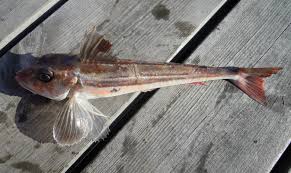
Taxonomy
- Kingdom
- Animalia
- Phylum
- Chordata
- Class
- Actinopterygii
- Order
- Tetraodontiformes
- Family
- Triglidae
- Genus
- Eutrigla
- Species
- gurnardus
Habitat
Grey gurnards primarily inhabit sandy and muddy seabeds in coastal and continental shelf waters, ranging from shallow areas to depths of about 200 meters. They are found in temperate regions of the Eastern Atlantic, including the North Sea, Mediterranean, and around Iceland and Morocco. This species prefers soft substrates where it can burrow and hide from predators.
Diet
They like to feed on crustaceans, mostly shrimps and shore crabs; fishes, mostly gobies, flatfishes, young herring and sand eels.
Behavior
Grey gurnards are benthic fish that spend most of their time on the sea floor, using their pectoral fins to 'walk' or propel themselves along the substrate. They are generally solitary but may form loose groups during feeding or migration. This species is more active at night, hunting for prey, and exhibits defensive behaviors like erecting spines when threatened. They are not highly territorial but will avoid areas with strong currents.
Fishing
Target grey gurnards with bottom fishing techniques using a simple rig with a sinker to reach sandy or muddy seabeds in coastal waters up to 200 meters deep, where they burrow and hunt; cast your line and wait for the telltale tug as they take the bait, then reel in steadily to avoid their sharp spines. Use light to medium spinning or baitcasting tackle, including a 7-9 foot rod rated for 10-20 pound test line, paired with a reel spooled with monofilament or braided line, and size 1-4 hooks baited with shrimp, crabs, or small fish like sand eels to mimic their natural diet of crustaceans and fish. The best season is from late spring through summer (May to August), coinciding with their spawning period, but focus on early morning or nighttime outings when they are most active; in regions like the North Sea, Mediterranean, or around Iceland, target areas with soft substrates using depth finders for precision. Grey gurnards can reach up to 50 cm in length and 1 lb 5 oz, supporting sustainable angling practices that fund conservation through license fees and habitat programs, such as those protecting Eastern Atlantic waterways; practice catch-and-release to maintain healthy populations, as angler-supported initiatives help monitor and manage these stocks effectively, ensuring balanced ecosystems for future generations.
Conservation Status
Listed as Not Evaluated by IUCN.