
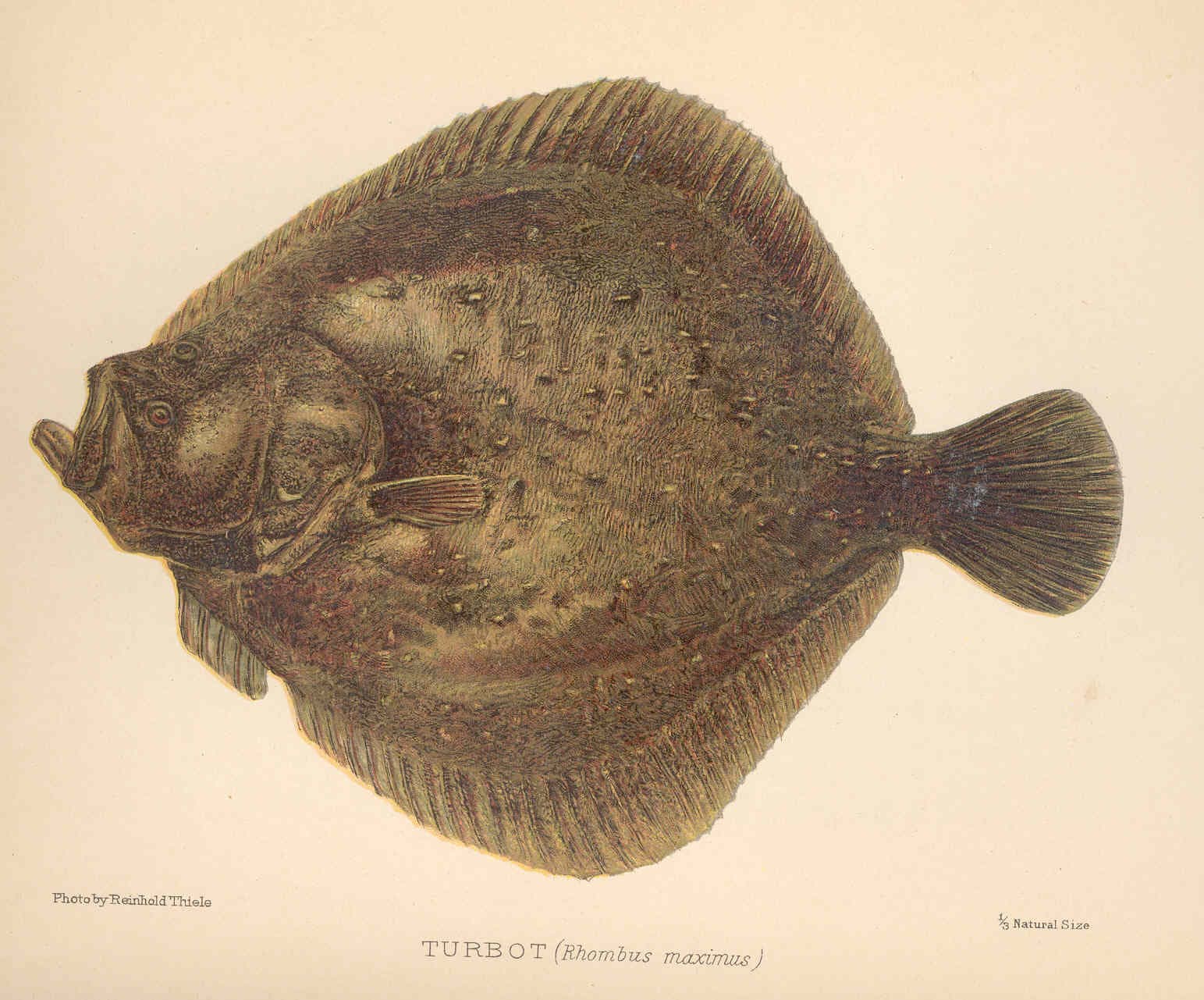
Taxonomy
- Kingdom
- Animalia
- Phylum
- Chordata
- Class
- Actinopterygii
- Order
- Perciformes
- Family
- Pleuronectidae
- Genus
- Reinhardtius
- Species
- hippoglossoides
Habitat
Lives on the ocean floor of very deep, cold water.
Diet
Small fish, Crustaceans, Northern Shrimp, Capelin, Northern Ambereye Shrimp.
Behavior
Spawns in very deep water, Feeds on the bottom and sometimes in the middle of the water colum.
Fishing
Greenland halibut, a prized deep-water flatfish, offers exciting recreational fishing opportunities that support conservation through angler-funded programs like license fees and habitat restoration initiatives in the North Atlantic and North Pacific. Target them using bottom fishing techniques with heavy gear to reach depths of 600 to 2,000 feet, employing electric reels or strong conventional setups for effective hooksets in low-light conditions; jigging with large, weighted lures or bait rigs can also mimic their prey like shrimp and small fish for better success. Use robust tackle including heavy-action rods (8-12 feet), high-capacity reels spooled with 50-80 pound braided line, and strong hooks (5/0 to 10/0) to handle their powerful runs, paired with bait such as live or frozen northern shrimp, capelin, or artificial lures like glow-in-the-dark jigs that imitate crustaceans; this setup ensures you can manage the deep, cold environments safely. The best season is late winter through early spring during their spawning periods, with optimal times around dawn or dusk when they are most active near the ocean floor, though consistent results can be found year-round in stable cold waters. Focus on habitats like the continental slopes of the North Atlantic (near Greenland, Iceland, and the Barents Sea) or North Pacific (around Alaska's Aleutian Islands and the Sea of Japan), where they reside on muddy or sandy bottoms—use fish finders and GPS to pinpoint these areas for ethical angling. The IGFA all-tackle world record stands at 20 pounds 4 ounces, caught in 1994 off Norway, highlighting the potential for trophy catches that encourage participation in conservation efforts. Conservation-wise, Greenland halibut benefits from managed commercial and recreational fisheries with regulations like size limits and quotas, which are effective tools for maintaining stable populations and funding waterway protection through excise taxes, ensuring sustainable stocks for future generations.
Conservation Status
Listed as Not Evaluated by IUCN.