
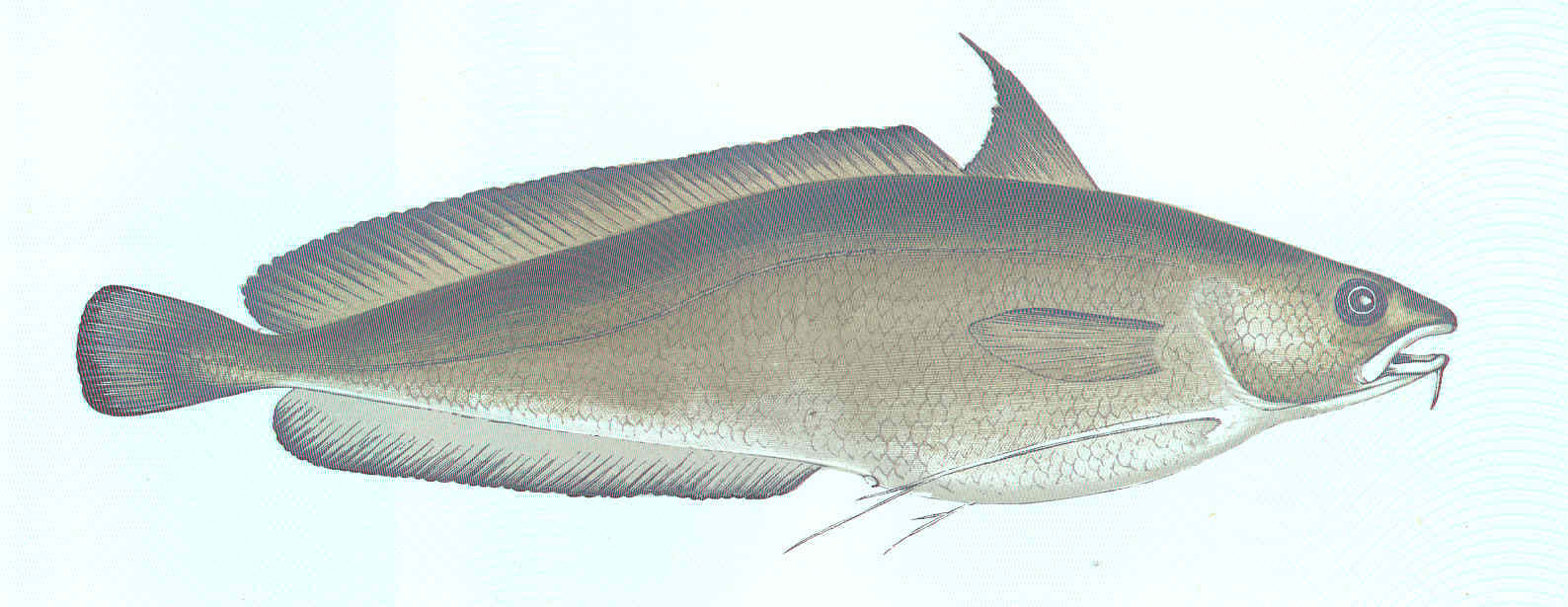
Taxonomy
- Kingdom
- Animalia
- Phylum
- Chordata
- Class
- Actinopterygii
- Order
- Perciformes
- Family
- Phycidae
- Genus
- Phycis
- Species
- blennoides
Habitat
Greater forkbeards inhabit the continental shelves and slopes of the Northeast Atlantic, Mediterranean, and Black Seas, typically at depths from 100 to 1800 meters. They prefer muddy or sandy bottoms in cold to temperate waters, often near rocky outcrops or reefs. This demersal species is adapted to low-light environments.
Diet
Greater forkbeards primarily consume small fish, crustaceans, and cephalopods, which they capture using their sensitive barbels. They are nocturnal hunters, ambushing prey on the seafloor during nighttime hours. Feeding behavior involves lurking in hiding spots before striking quickly.
Behavior
Greater forkbeards are mostly solitary or form small groups, exhibiting nocturnal activity patterns with daytime resting on the seabed. They display territorial behavior around feeding areas and can be elusive, quickly retreating into crevices when threatened. This species is not particularly migratory but may shift depths seasonally.
Conservation Status
Listed as Data Deficient by IUCN.