
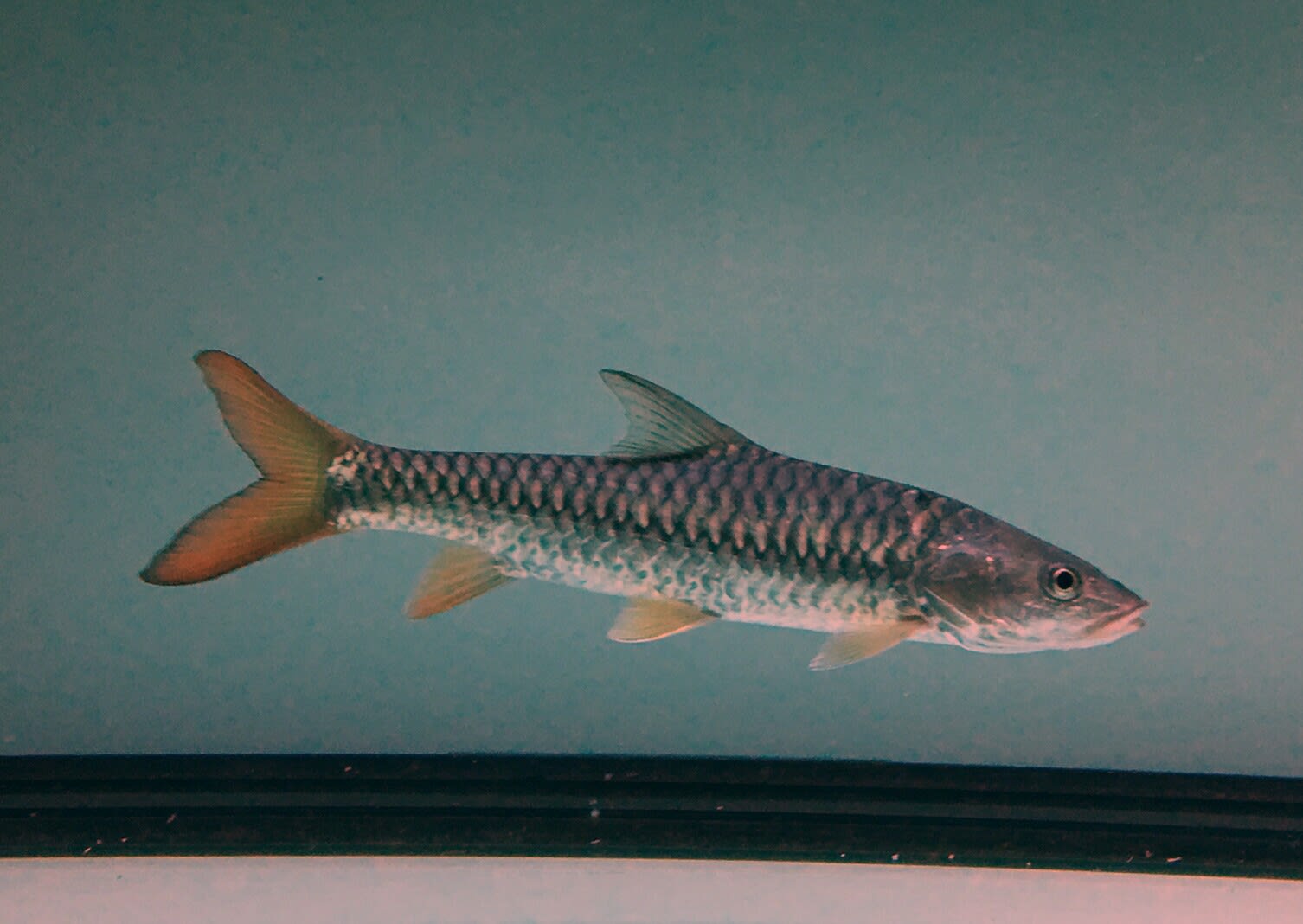
Taxonomy
- Kingdom
- Animalia
- Phylum
- Chordata
- Class
- Actinopterygii
- Order
- Neopterygii
- Family
- Cyprinidae
- Genus
- Tor
- Species
- putitora
Habitat
Golden mahseer primarily inhabit fast-flowing rivers and streams in mountainous regions of South Asia, such as the Himalayas and foothills. They prefer clear, oxygen-rich waters with rocky substrates and deep pools, avoiding stagnant or polluted areas. These fish are also found in larger rivers and reservoirs, particularly in countries like India, Nepal, and Myanmar.
Diet
Golden mahseer are omnivorous, feeding on insects, crustaceans, smaller fish, and plant matter such as algae and fruits. They exhibit opportunistic feeding behavior, often foraging near the river bottom or in mid-water columns. Feeding is most active during dawn and dusk when they are more likely to ambush prey.
Behavior
Golden mahseer are typically solitary but may form loose schools in deeper waters. They are diurnal, being most active during the day, and exhibit territorial behavior in prime feeding spots by defending against intruders. These fish are known for their powerful swimming and leaping abilities, especially when hooked, making them a thrilling challenge for anglers.
Fishing
Anglers targeting the Golden mahseer, a thrilling sport fish renowned for its powerful leaps and fights in South Asia's rivers, should focus on techniques like fly fishing with large streamers or nymphs, spinning with crankbaits, or drift fishing with live bait to mimic its diet of insects, crustaceans, and small fish. Use heavy-action rods (7-9 feet) with strong reels, 10-20 lb test monofilament or braided lines, and stout leaders to handle their aggressive runs in fast currents; effective baits and lures include live worms, shrimp, or minnows, and artificial options like spoons and plugs for enticing strikes. The best season runs from October to May, avoiding the monsoon spawning period (June to September), with prime fishing times at dawn and dusk when they are most active; target fast-flowing rivers and deep pools in mountainous regions like the Himalayas, such as the Saryu River in India or tributaries in Nepal, focusing on clear, oxygen-rich waters with rocky substrates for the best results. The IGFA all-tackle world record is 27.24 kg (60 lb 1 oz), caught in India's Ramganga River in 1991, highlighting the species' impressive size potential. As an Endangered species per the IUCN, conservation efforts are bolstered by angler-funded programs through fishing licenses and excise taxes, which support habitat restoration and population monitoring; always adhere to catch-and-release practices and any local regulations, such as closed seasons during spawning, as effective tools that maintain healthy populations and promote sustainable fishing for future generations.
Conservation Status
Listed as Endangered by IUCN.