
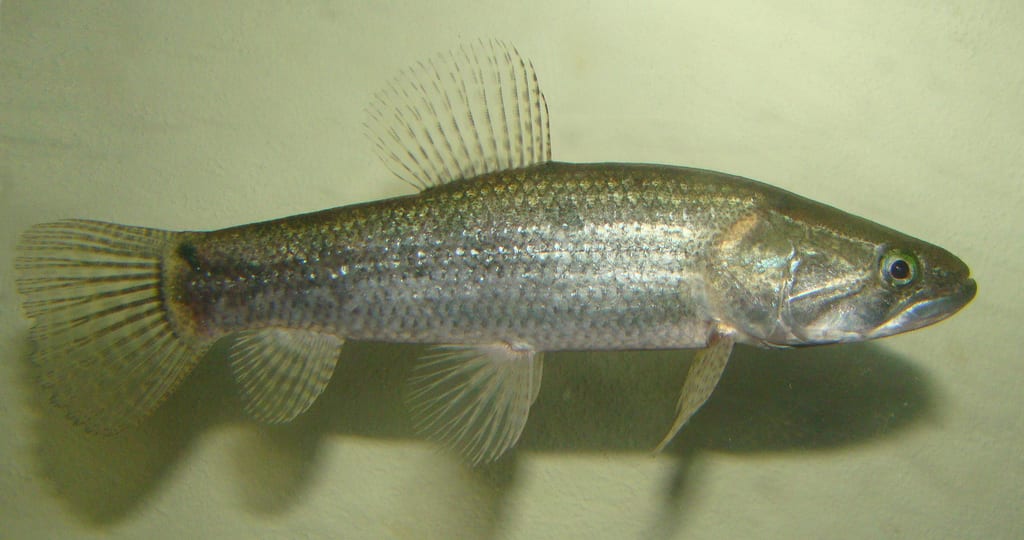
Taxonomy
- Kingdom
- Animalia
- Phylum
- Chordata
- Class
- Actinopterygii
- Order
- Perciformes
- Family
- Erythrinidae
- Genus
- Hoplias
- Species
- macrophthalmus
Habitat
This species inhabits slow-moving freshwater rivers, lakes, and flooded forests in the Amazon and Orinoco basins. It prefers warm, tropical waters with abundant vegetation and submerged structures for cover. Geographically, it is found in countries like Brazil, Guyana, Suriname, and French Guiana.
Diet
The giant trahira is a carnivorous predator that primarily feeds on smaller fish, crustaceans, insects, and occasionally amphibians or small mammals. It employs ambush tactics, lying in wait among vegetation before striking quickly. Feeding is most active during dawn and dusk in shallow waters.
Behavior
Giant trahiras are solitary and territorial, often defending specific areas in rivers or lakes from intruders. They are primarily nocturnal or crepuscular, spending daytime hidden in vegetation and becoming active at night to hunt. This species exhibits aggressive behavior when threatened or competing for food.
Fishing
Target the giant trahira in the slow-moving freshwater rivers, lakes, and flooded forests of the Amazon and Orinoco basins in countries like Brazil, Guyana, Suriname, and French Guiana, focusing on areas with abundant vegetation and submerged structures for effective ambush spots. Use heavy-action rods (8-10 feet) paired with strong baitcasting or spinning reels, 20-50 lb test line, and sturdy hooks to handle their aggressive strikes; top choices for bait and lures include live minnows, crankbaits, topwater plugs, or jigs that mimic small fish, crustaceans, or insects to trigger their predatory instincts. The best techniques involve casting and retrieving lures slowly near cover or using live bait rigs for a natural presentation, with optimal times being dawn and dusk when they are most active; prime seasons run from November to March during the rainy period when water levels rise and feeding intensifies, but always adhere to local regulations as effective management tools for maintaining healthy populations. This species can reach impressive sizes, with records up to 32 pounds 15 ounces, highlighting its status as a premier sport fish. As a carnivorous predator, giant trahira fishing supports aquatic conservation through angler-funded programs like license fees and excise taxes, which protect these biodiverse waterways and promote sustainable practices such as catch-and-release to ensure stable populations for future generations.
Conservation Status
Listed as Not Evaluated by IUCN.