
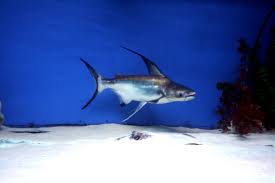
Taxonomy
- Kingdom
- Animalia
- Phylum
- Chordata
- Class
- Actinopterygii
- Order
- Perciformes
- Family
- Pangasiidae
- Genus
- Pangasius
- Species
- sanitwongsei
Habitat
This species inhabits large river systems in Southeast Asia, particularly the Mekong and Chao Phraya basins, preferring deep, slow-moving waters with sandy or muddy substrates. It is found in mainstream rivers and large tributaries, avoiding fast currents and shallow areas. Geographic preferences include tropical regions of Thailand, Cambodia, Laos, Vietnam, and China.
Diet
The giant pangasius primarily feeds on smaller fish, crustaceans, and insects, often scavenging or actively hunting in river bottoms. It exhibits nocturnal feeding behavior, using its barbels to detect food in low-light conditions. Feeding occurs mainly at night in deeper waters where prey is abundant.
Behavior
Giant pangasius are generally solitary and nocturnal, spending most of the day resting in deep river holes and becoming active at night to forage. They exhibit migratory behavior during the wet season for spawning, traveling upstream, and are not particularly territorial outside of breeding periods. This species is known for its powerful swimming ability in strong currents during migrations.
Fishing
For targeting the giant pangasius, a powerful sport fish in Southeast Asia's major river systems like the Mekong and Chao Phraya basins, focus on heavy bottom fishing techniques using strong rods and reels capable of handling fish up to 136 pounds; opt for 50-80 pound test lines, large hooks (size 8/0 to 12/0), and sturdy leaders to manage their strong runs in deep, slow-moving waters with sandy or muddy substrates. Use live bait such as smaller fish, crustaceans, or insects, or effective lures that mimic these prey to entice their nocturnal feeding behavior—cast near deep holes or river bends at night for the best strikes. The prime season aligns with the rainy months from May to August when they migrate and are more active, though fishing should always prioritize conservation; as a Critically Endangered species with a population under 2,500 mature individuals, adhere to strict catch-and-release practices and any local regulations as effective tools for population recovery, supported by angler-funded programs that protect these vital waterways and promote sustainable fishing to ensure the species' survival while contributing to aquatic conservation efforts. The IGFA all-tackle record stands at 136 pounds 10 ounces, highlighting the thrill of responsibly pursuing this majestic fish.
Conservation Status
Listed as Critically Endangered by IUCN.