
Taxonomy
- Kingdom
- Animalia
- Phylum
- Chordata
- Class
- Actinopterygii
- Order
- Scorpaeniformes
- Family
- Serranidae
- Genus
- Epinephelus
- Species
- lanceolatus
Habitat
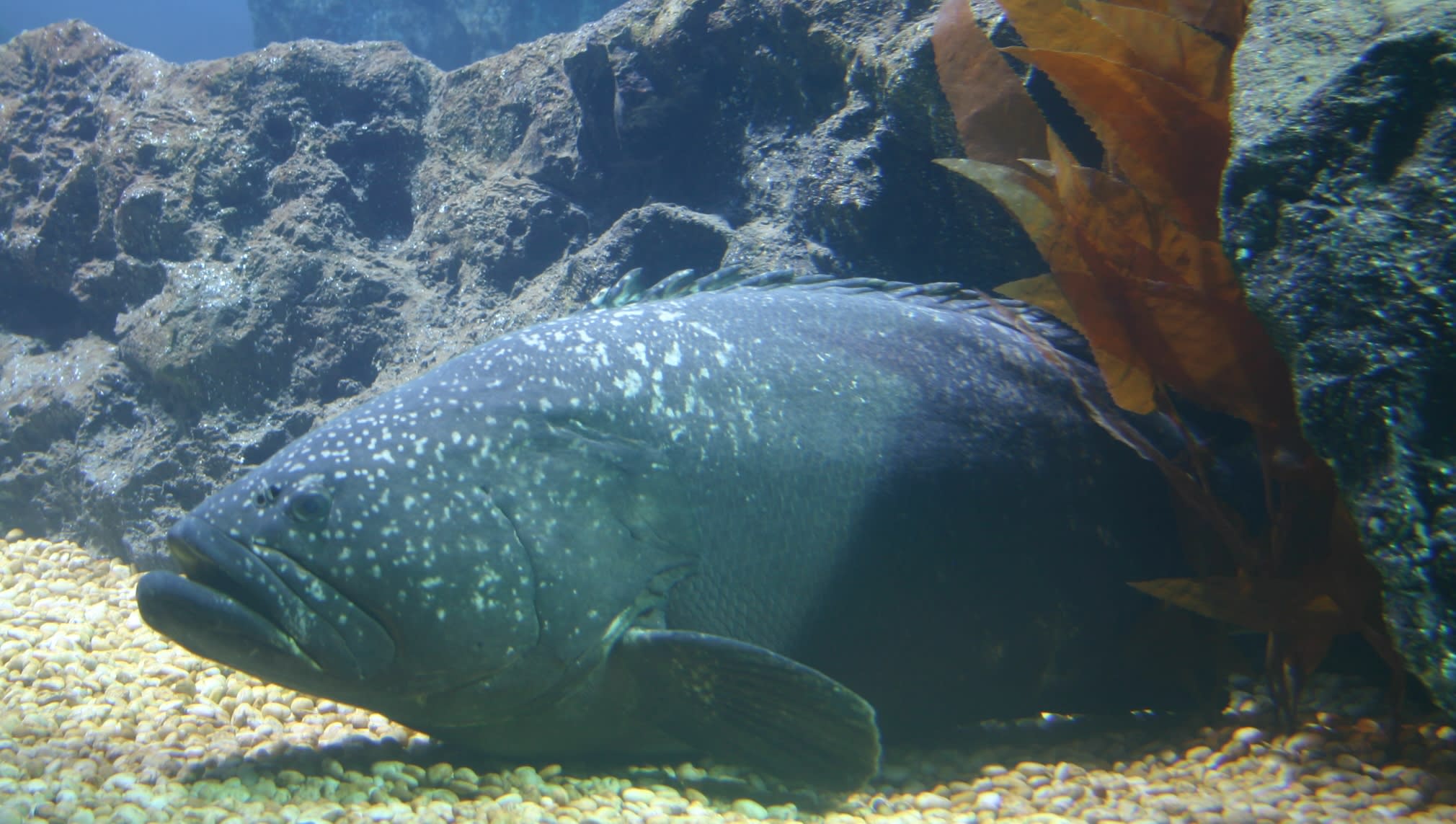
Giant groupers primarily inhabit coral reefs, rocky bottoms, and lagoons in tropical and subtropical waters. They prefer depths from 1 to 100 meters and are commonly found in the Indo-Pacific region, including areas like the Red Sea and Hawaiian Islands. These fish often seek shelter in caves, shipwrecks, or under ledges.
Diet
Giant groupers are carnivorous predators that feed on fish, crustaceans, and octopuses. They use ambush tactics, hiding in crevices before striking quickly. Feeding activity peaks at night in their reef habitats.
Behavior
Giant groupers are solitary and highly territorial, defending their areas from intruders. They are primarily nocturnal hunters, resting during the day and actively foraging at night. These fish can change color to camouflage themselves and may exhibit aggressive behavior when threatened.
Fishing
Targeting giant groupers, a prized sport fish in tropical waters, requires heavy-duty tackle to handle their immense size and strength, including robust rods rated for 80-100 lb test line, large conventional reels, and strong circle hooks to minimize injury during catch-and-release. Effective techniques involve bottom fishing with live baits like mullet, squid, or crabs dropped near coral reefs, wrecks, or ledges in depths of 1 to 100 meters, or trolling with large artificial lures such as jigs and plugs to mimic their natural prey like fish and crustaceans; always use a leader to prevent break-offs on sharp structures. The best seasons are during warmer months in the Indo-Pacific regions, including the Red Sea, Hawaiian Islands, and Western Central Pacific, with optimal times at night when these nocturnal predators are most active and feeding aggressively. Focus on habitats like coral reefs, rocky bottoms, and lagoons where they ambush prey, such as in Algoa Bay or around Pitcairn Islands, but respect their territorial nature by avoiding overfishing hotspots. The IGFA all-tackle world record is 436 pounds, caught in 2001, highlighting their potential as trophy fish. As a Vulnerable species per IUCN, conservation efforts are bolstered by regulated fishing practices like slot limits and mandatory catch-and-release in many areas, which are effective tools funded by angler license fees to maintain healthy populations and protect critical habitats through stocking programs and waterway restoration.
Conservation Status
Listed as Vulnerable by IUCN.